Mera Peak Expedition
Nepal's highest trekking peak — an accessible high-altitude summit with extraordinary panoramic views.
Price
Contact us for pricing
Kathmandu-direct pricing — no middleman markup.
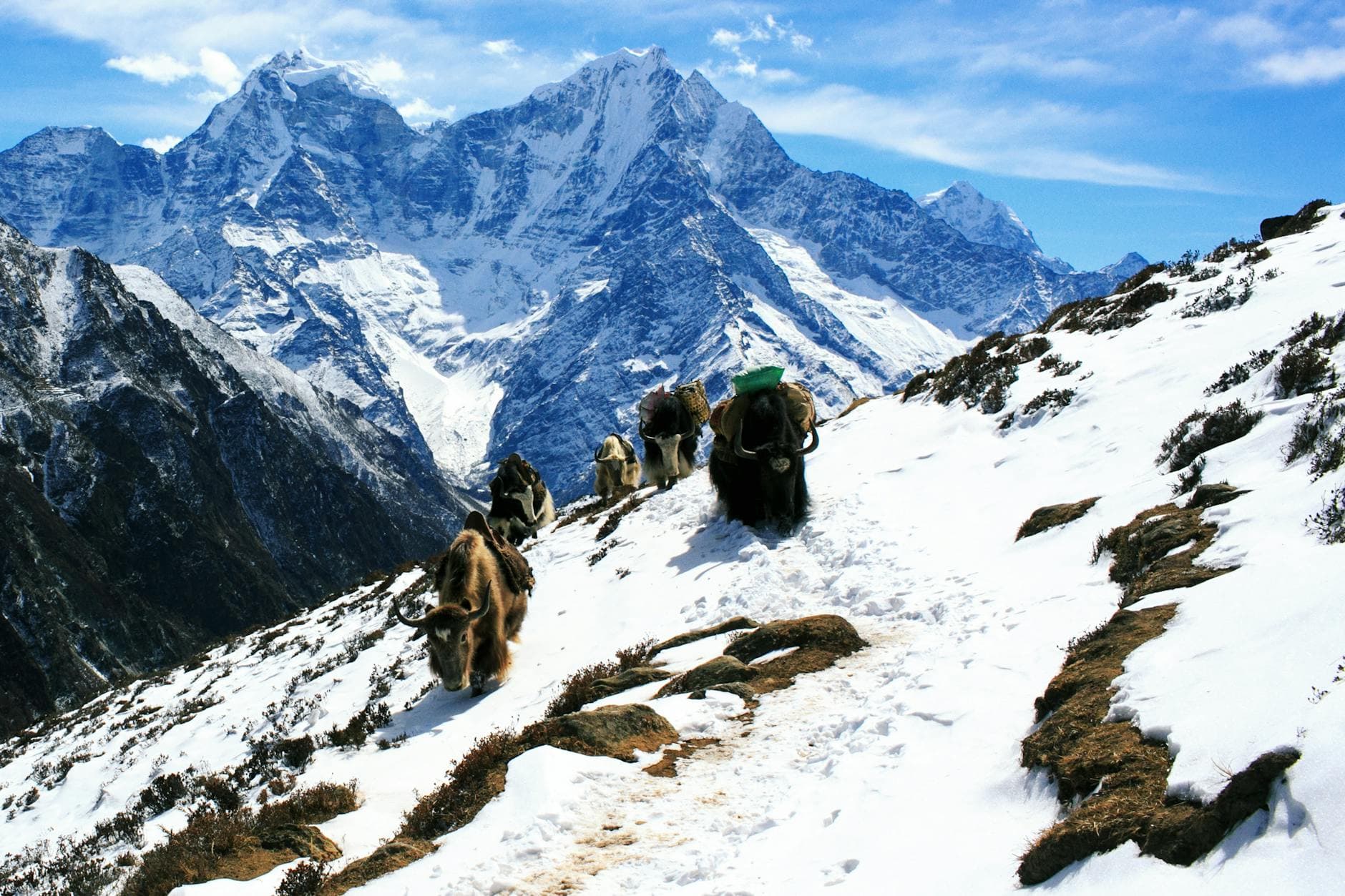
Mera Peak (6,476 m) is Nepal's highest trekking peak and one of the finest introductory expeditions in the Himalaya. The route threads through the beautiful Hinku valley — quieter and more remote than the Khumbu — across yak pastures and the high plains below Mera, to a summit with a 360-degree panorama that includes five 8,000 m peaks: Everest, Cho Oyu, Lhotse, Makalu, and Kangchenjunga.
Group Trips
Upcoming Group Departures
Reserve your spot — no payment upfront
Itinerary
Day-by-Day Itinerary
Arrive Kathmandu (1,350 m)
▲ 1,350 m
Welcome and rest — the start of a journey that will take you above 6,400 m.
Overnight: Kathmandu
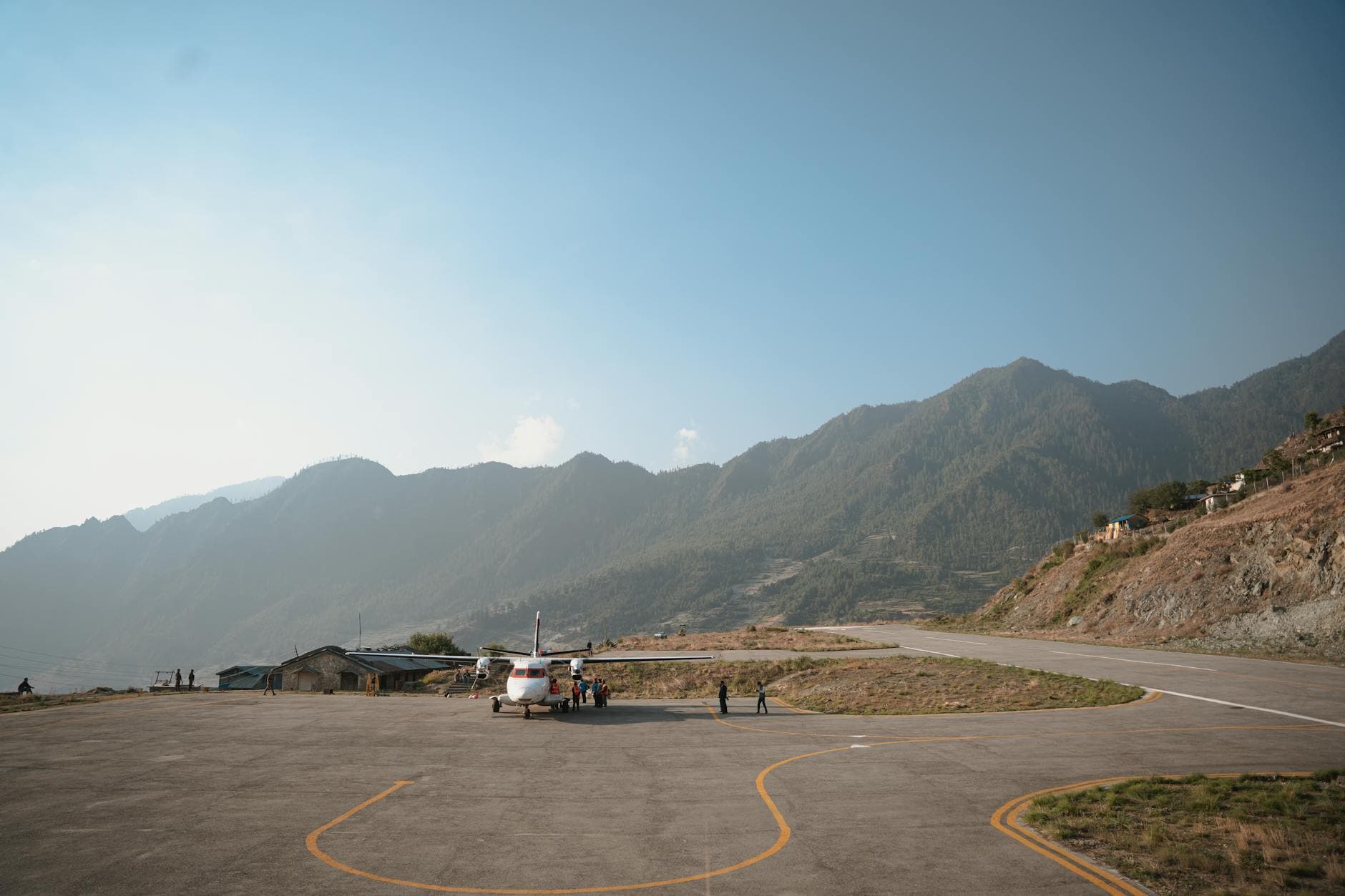
Fly Kathmandu → Lukla (2,860 m); trek to teahouse via river crossing
▲ 2,860 m
Short scenic flight to Lukla, then a first day's trek crossing the Dudh Koshi river to the first teahouse.
Overnight: Hinku Valley
Trek through the rhododendron forest
▲ 3,000 m
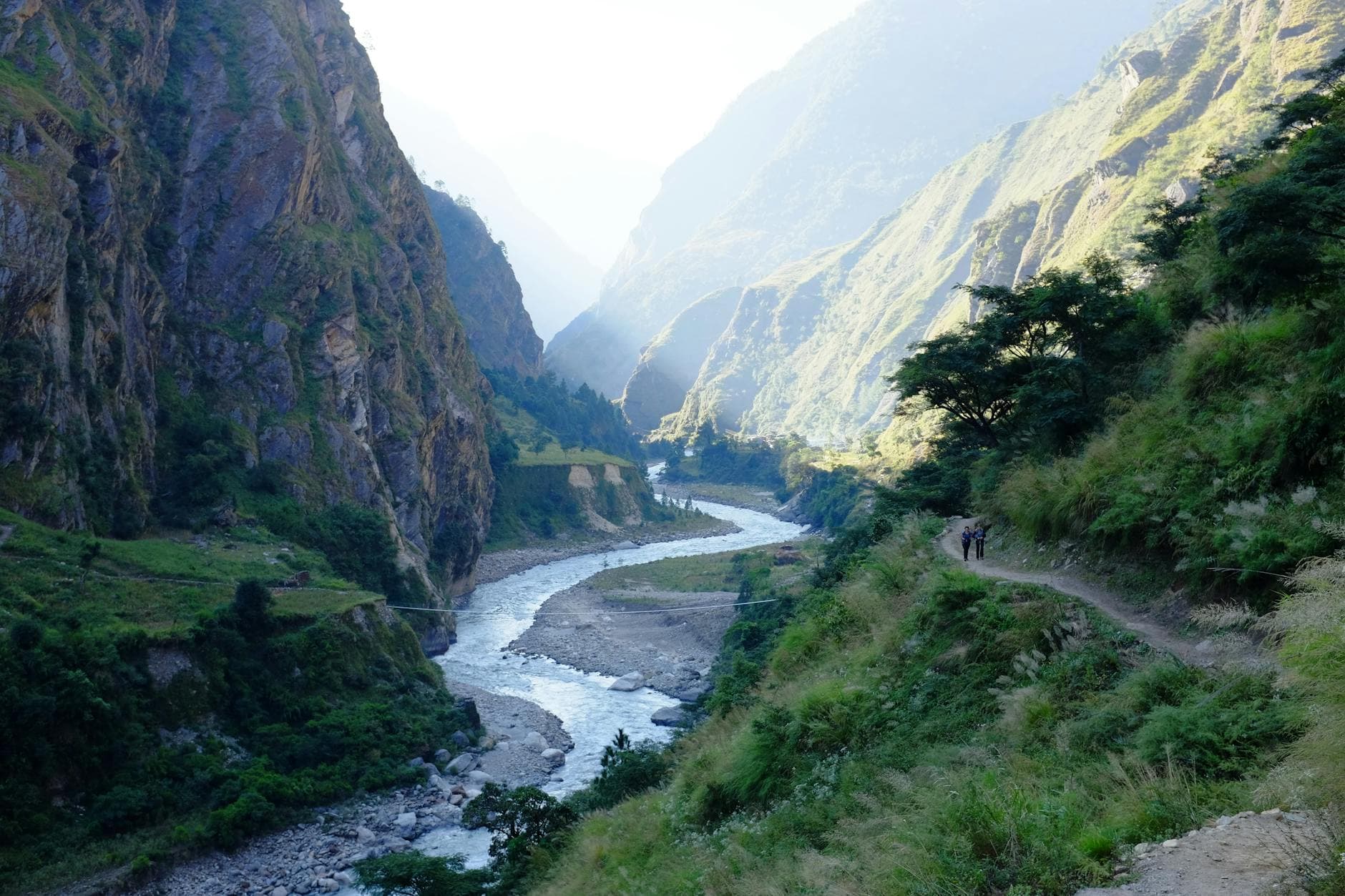
Winding through dense rhododendron and bamboo forest — a lush and beautiful introduction to the Hinku valley.
Overnight: Forest teahouse
Climb over a high pass; reach the next valley village
▲ 3,800 m
A more demanding day ascending a significant pass before descending into a higher settlement for the night.
Overnight: Mountain village
Trek across meadows to a higher village
▲ 4,000 m
Wide open meadows with yak herders and farmers living as they have for centuries — extraordinary pastoral scenery.
Overnight: Highland village
Rest and acclimatization day
▲ 4,000 m
A full rest day to acclimatize and explore the local culture before the higher ground ahead.
Overnight: Highland village
Trek to higher camp (7 hrs)
▲ 4,500 m
A long day's trekking over dramatic ridges and boulder fields, gaining altitude steadily.
Overnight: High teahouse
Trek to high teahouse
▲ 4,800 m
Rocky crags and the first snow — the landscape shifts to a high-alpine feel.
Overnight: High teahouse
Trek past Buddhist monastery
▲ 5,000 m
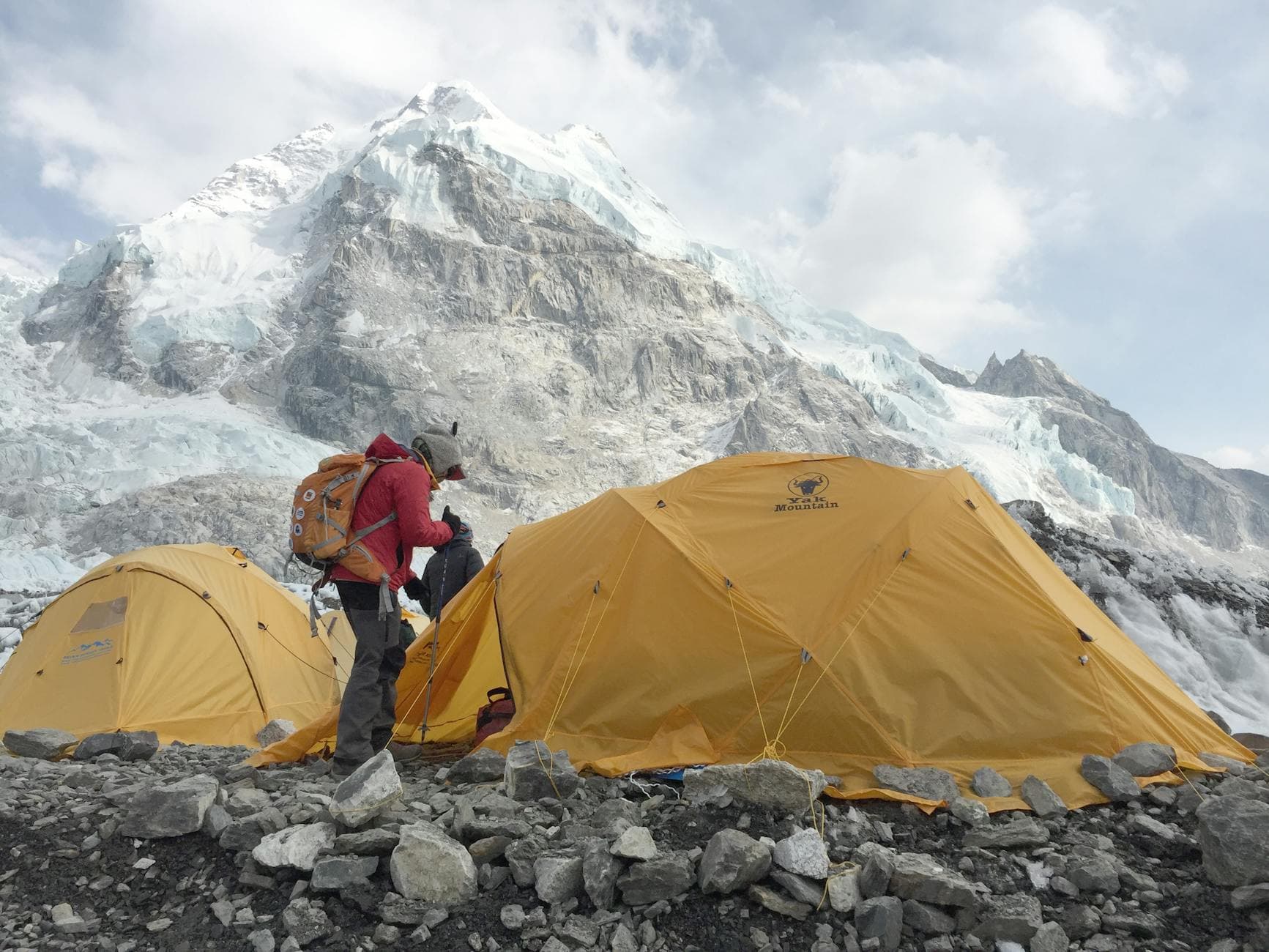
Pass an ancient Buddhist monastery — a reminder of the deep spirituality of these mountains — as the trail steepens toward the 5,000 m level.
Overnight: High camp
Trek above 5,000 m — snow and glacier terrain begins
▲ 5,000 m
Cross the 5,000 m threshold into snow and ice. Crampons may be required.
Overnight: Snow camp
Trek to boulder field camp
▲ 5,200 m
Navigate through the boulder field with snow to a high camp in spectacular surroundings.
Overnight: Boulder camp
Trek to Lower Camp (Mera BC approach)
▲ 5,400 m
The final approach to Mera Peak's lower camp — a test of mental and physical preparation.
Overnight: Lower Camp
Trek Lower Camp → Mera Base Camp
▲ 5,300 m
Reach the true base camp. Your guide runs a final briefing on roping up and crampon technique in the high winds and cold.
Overnight: Mera BC
Summit day: Mera Peak (6,476 m) — approximately 12 hrs
▲ 6,476 m
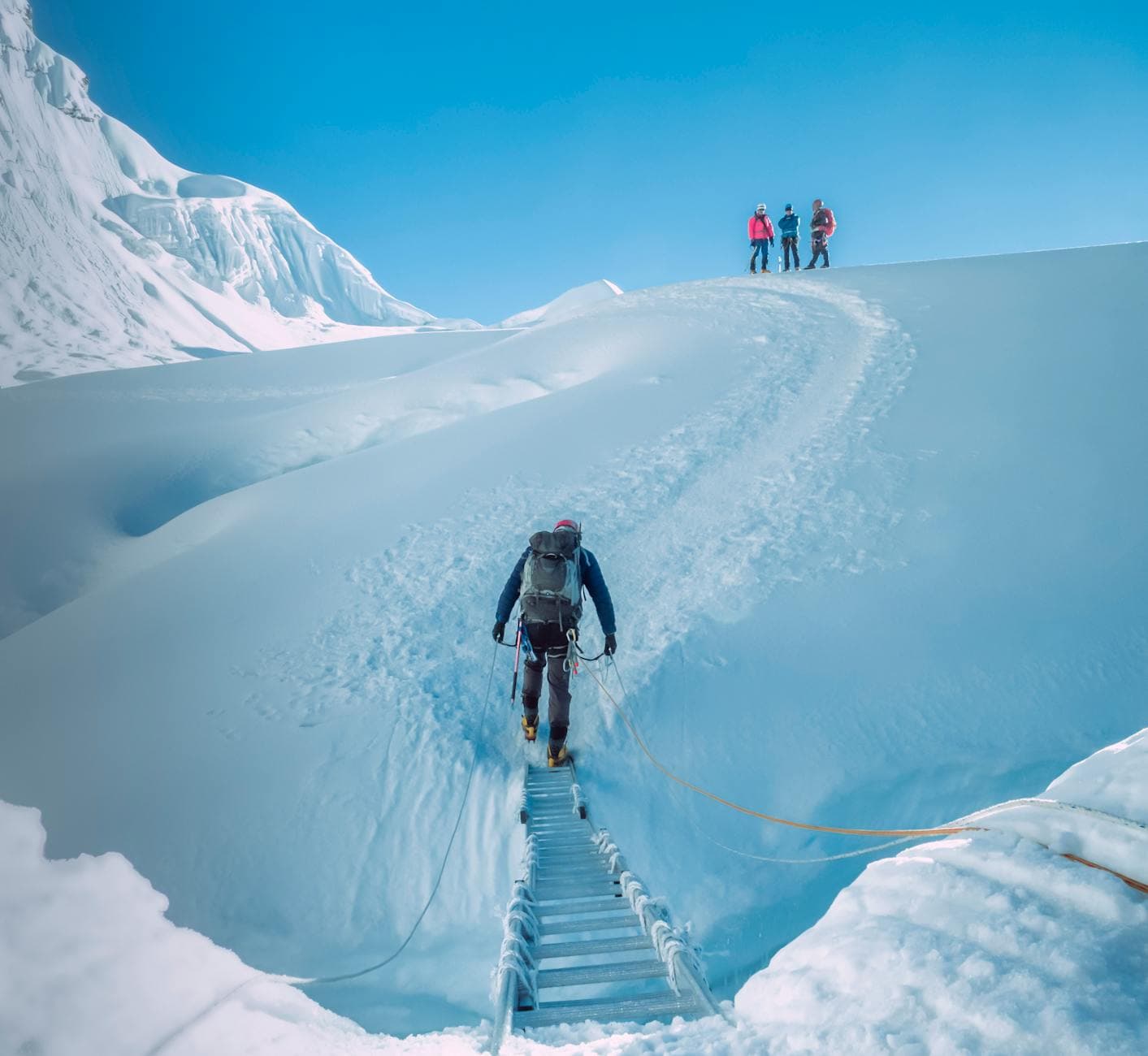
An early 2–3 am start, roped up with crampons, for the summit push. Conditions are demanding — extreme cold and high winds — but the summit panorama of five 8,000 m peaks is one of the finest views in Nepal.
Overnight: Mera BC
Optional north approach; rest at camp
▲ 6,000 m
Rest day with optional approach from the north if time and conditions permit.
Overnight: Mera BC
Descend into the Hinku valley — Day 1
▲ 4,500 m
Retrace the route down off the high glacier into the Hinku valley, the air thickening with every step. 5–6 hrs.
Overnight: Hinku Valley
Descend through Hinku Valley — Day 2
▲ 3,500 m
Continue down through meadow and forest, leaving the high peaks behind. 5–6 hrs.
Overnight: Lower valley
Continue descent; overnight in familiar teahouse
▲ 3,000 m
A pleasant descent back through the rhododendron forest to a familiar valley teahouse. 4–5 hrs.
Overnight: Valley teahouse
Trek to Lukla (2,860 m)
▲ 2,860 m
The final trekking day over the last ridge to Lukla, with a celebratory dinner with the crew. 5–6 hrs.
Overnight: Lukla
Fly Lukla → Kathmandu; celebration dinner with group
▲ 1,350 m
Morning mountain flight back to Kathmandu and a free afternoon, with a group celebration dinner in the evening.
Overnight: Kathmandu
Gallery
Moments from the route
Route
Route Map
Route and durations are approximate and can be customised to your schedule.
Included
What's Included
Exclusions
Not Included
Before You Go
Important Notes
- Nepal's highest trekking peak — classified as a trekking peak, not a technical expedition.
- Although Mera is non-technical, the summit stands at 6,476 m — well above Everest Base Camp. Acute mountain sickness is a real risk; the itinerary builds altitude gradually and your guide carries a pulse oximeter and first-aid kit.
- Previous crampon and rope experience helpful but not mandatory; training provided at camp.
- Best seasons: Spring (March–May) and Autumn (October–November).
- Comprehensive travel insurance including emergency helicopter evacuation is strongly recommended — submit policy details before departure.
- Permits: Climbing permit from NMA (Nepal Mountaineering Association) or DoT (Department of Tourism), plus applicable park permits — all arranged by TempleFront.
Frequently Asked
Frequently Asked Questions
Is this a private expedition?
Yes — TempleFront expeditions are run exclusively for your team. We never combine you with other clients.
Do I need prior mountaineering experience?
Previous crampon and rope experience is helpful but not mandatory — technical training is provided at camp before the summit day. However, you must be in excellent cardiovascular condition and comfortable walking long days on steep terrain. Mera Peak is suitable for fit, motivated trekkers taking their first steps into mountaineering.
What is the Hinku valley like?
The Hinku valley is one of Nepal's most beautiful and least-visited valleys — a world apart from the busy Khumbu. The trail winds through rhododendron and bamboo forest, past ancient monasteries, yak pastures, and remote highland villages. You are unlikely to see many other trekking groups in the lower valley.
Which five 8,000 m peaks can I see from the summit?
On a clear day the Mera summit panorama includes Everest (8,848 m), Cho Oyu (8,188 m), Lhotse (8,516 m), Makalu (8,463 m), and Kangchenjunga (8,586 m) — five of the world's six highest mountains visible from a single vantage point.
What gear is required?
Crampons, ice axe, harness, and helmet — all can be rented in Kathmandu or Lukla. A full gear list is provided after booking. TempleFront supplies group ropes and technical equipment.
Is insurance required?
Comprehensive travel insurance including helicopter evacuation is strongly recommended. At 6,476 m, altitude sickness or injury would require helicopter extraction from a remote valley.
How far in advance should I book?
We recommend booking 2–3 months in advance for peak seasons (April–May and October–November). Last-minute bookings may be possible — contact us to check availability.
How do I enquire?
Send us a WhatsApp or email with your preferred dates and fitness background. We respond same day and guide you through the preparation process.
Keep exploring
Travellers who like this also explore
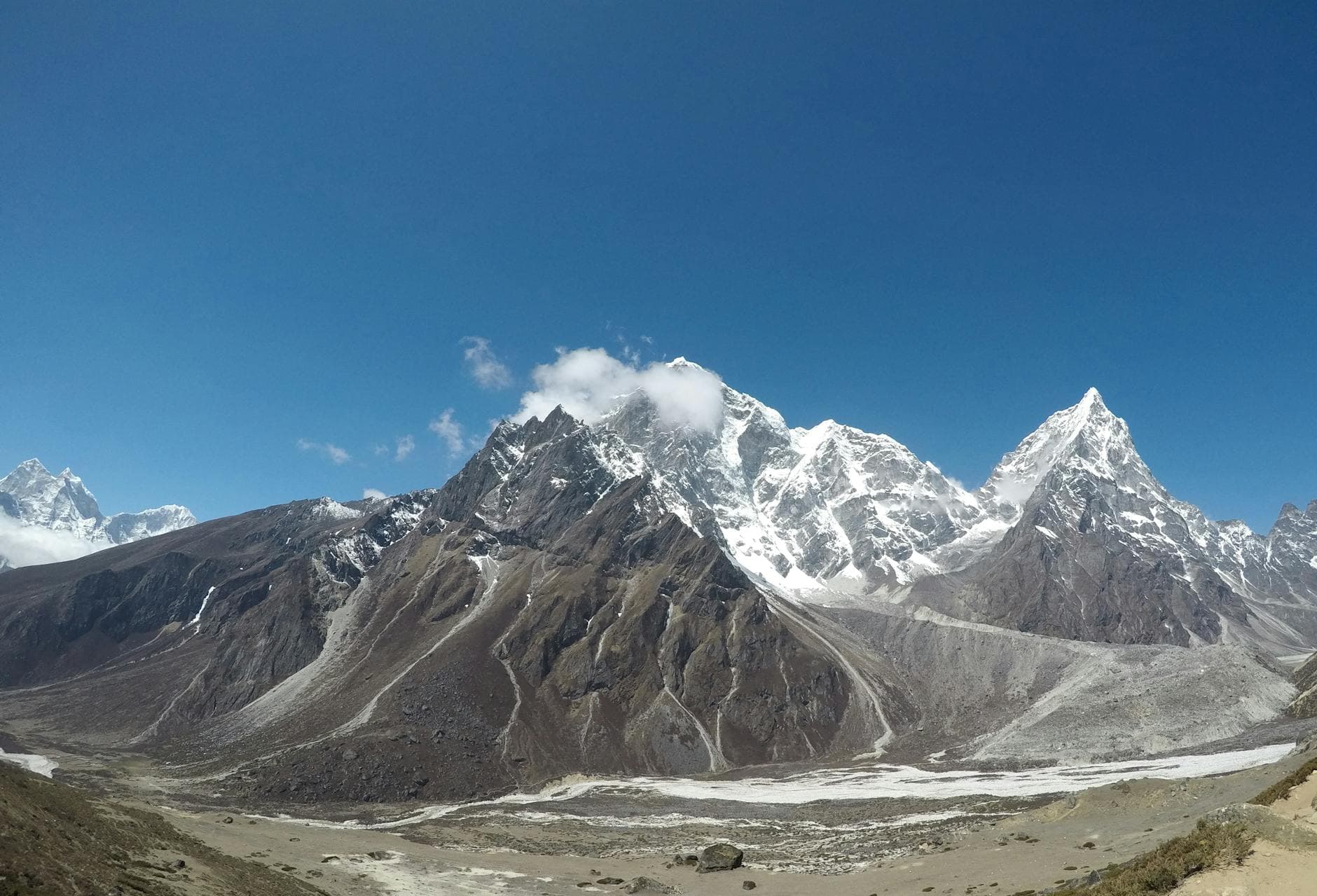
Lobuche East Peak Expedition
Climb above the Khumbu Glacier to a summit with jaw-dropping views of Everest, Lhotse, and Ama Dablam.
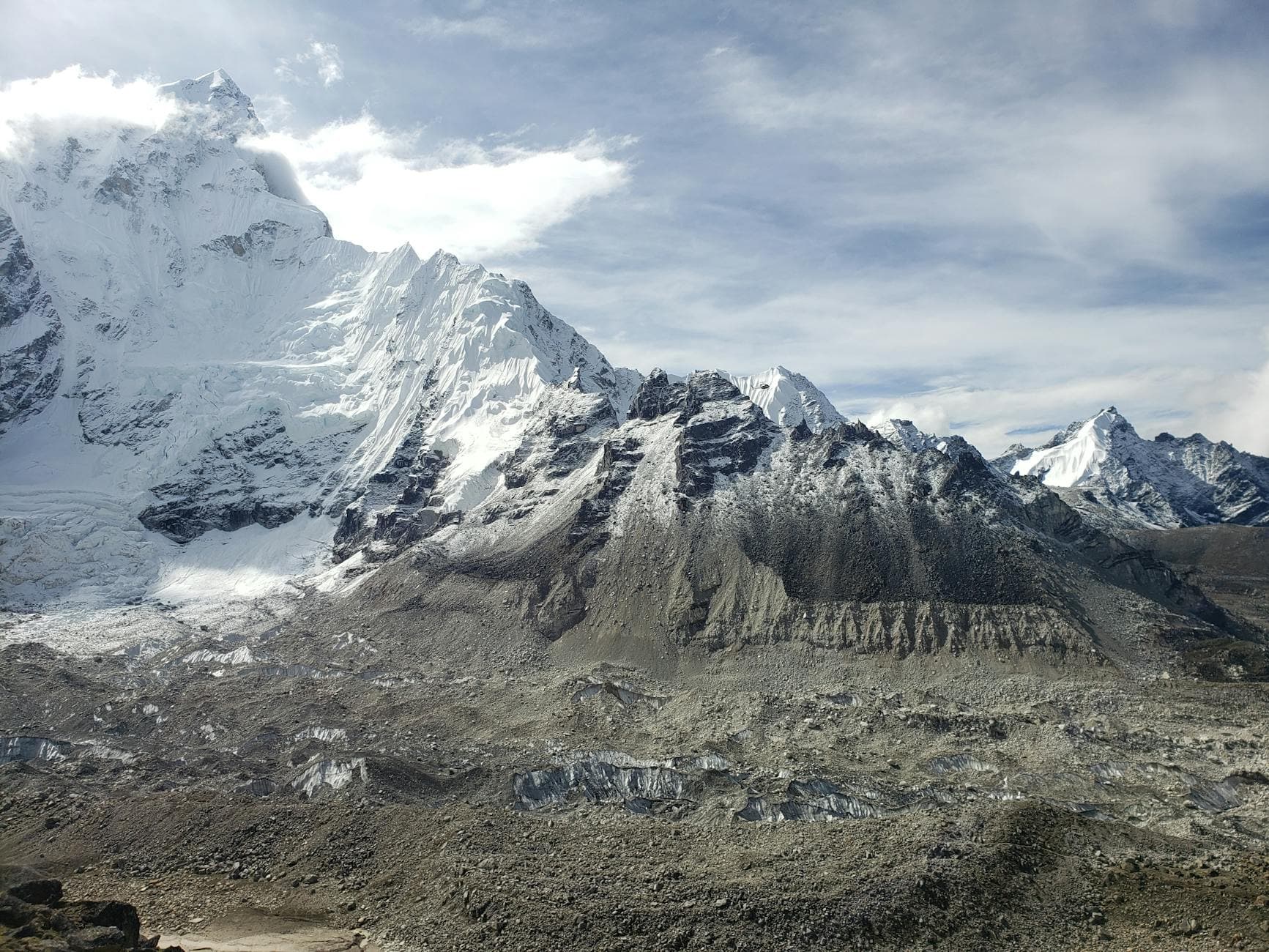
Island Peak (Imja Tse) Expedition
An island of snow above the Chhukung valley — the perfect introduction to Himalayan climbing.
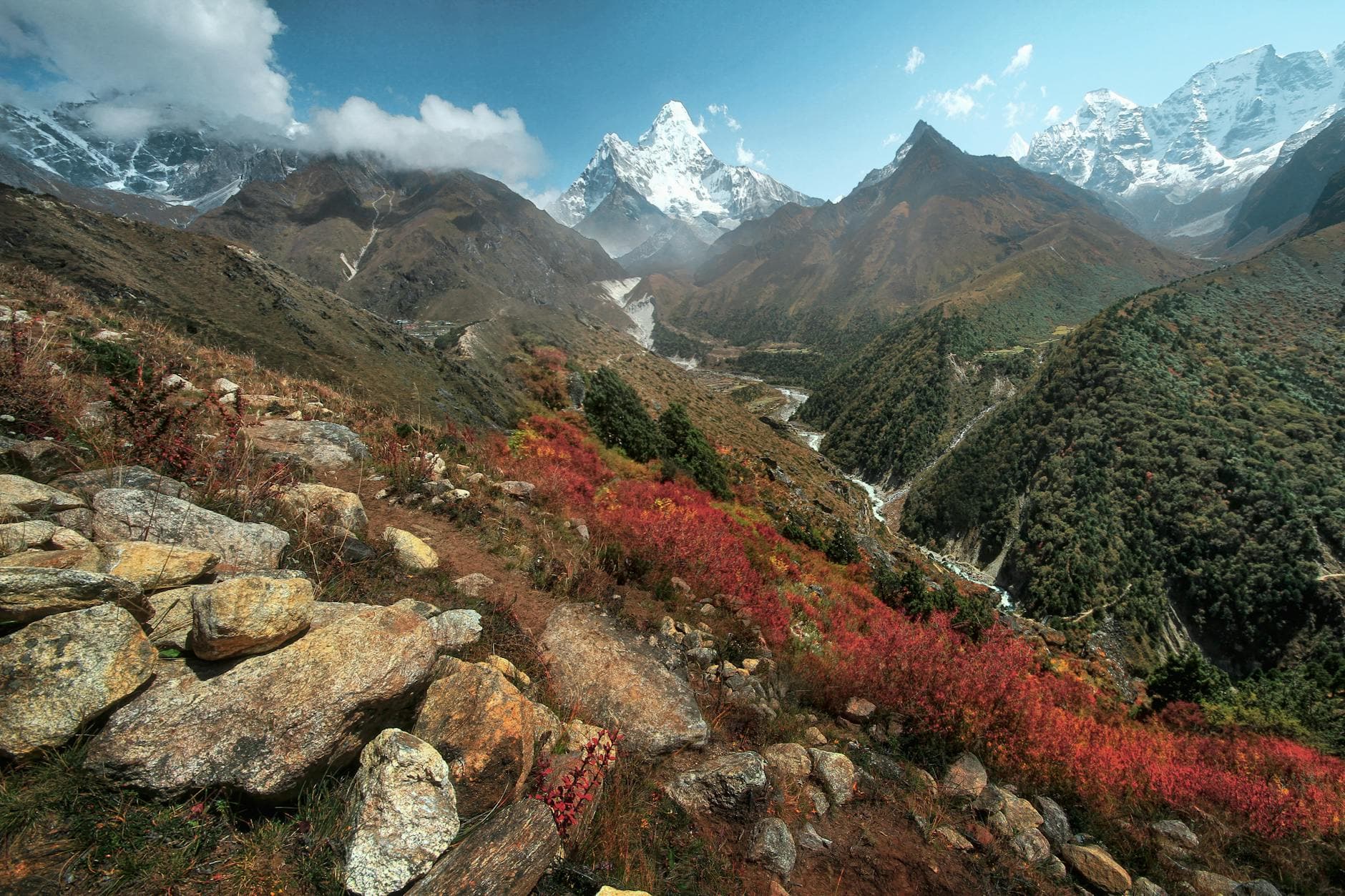
Ama Dablam Climbing Expedition
Nepal's most beautiful technical peak — the Mother's Necklace of the Khumbu.
Ready?
Ready to plan your trip?
Every tour is private and fully customisable. Drop us a message and we'll build the perfect itinerary for your group.