Upper Dolpo Trek
The most remote and mystical trek in Nepal — crystal mountains, sacred lakes, and ancient Bon culture.
Price
Contact us for pricing
Kathmandu-direct pricing — no middleman markup.
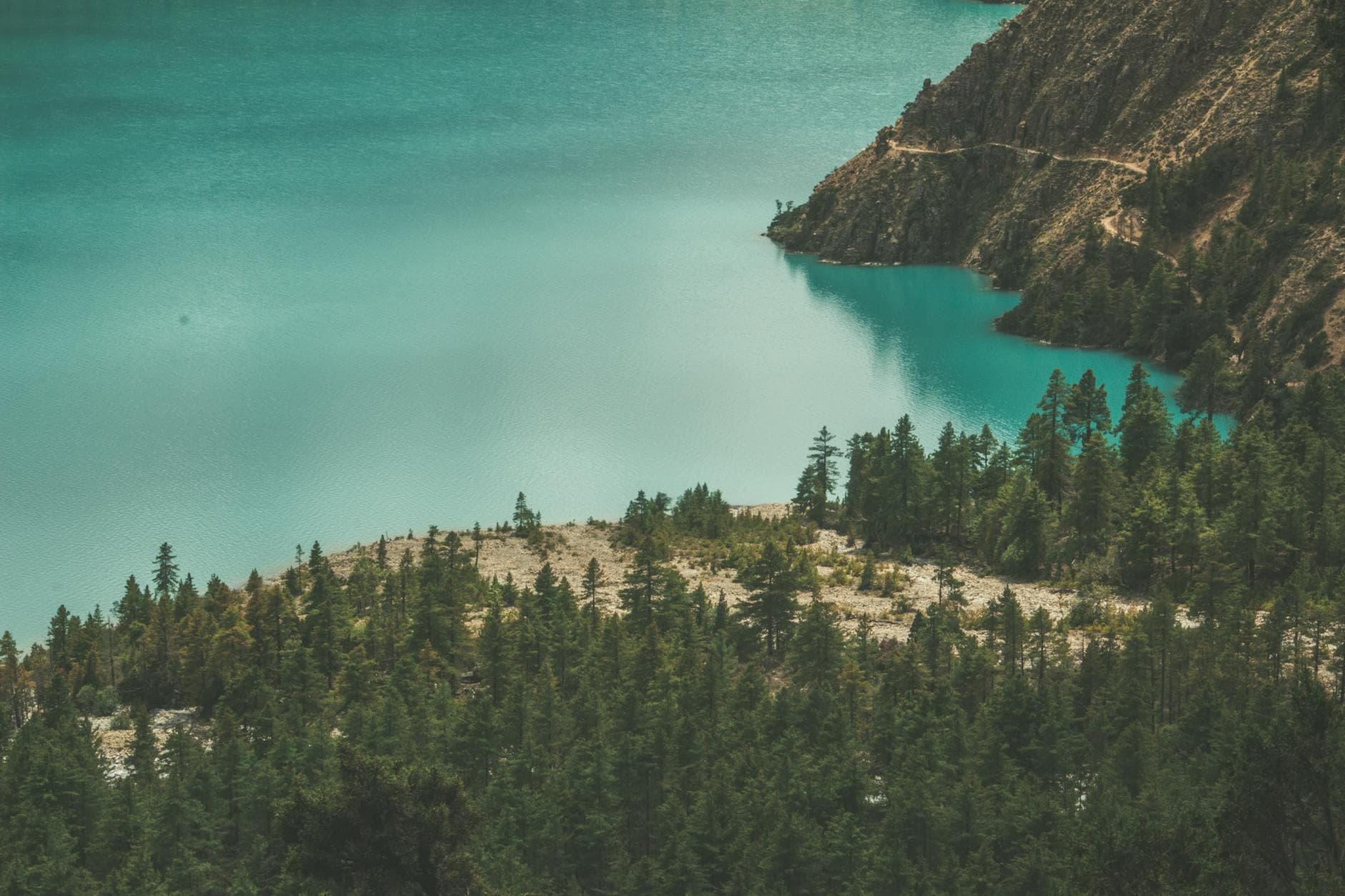
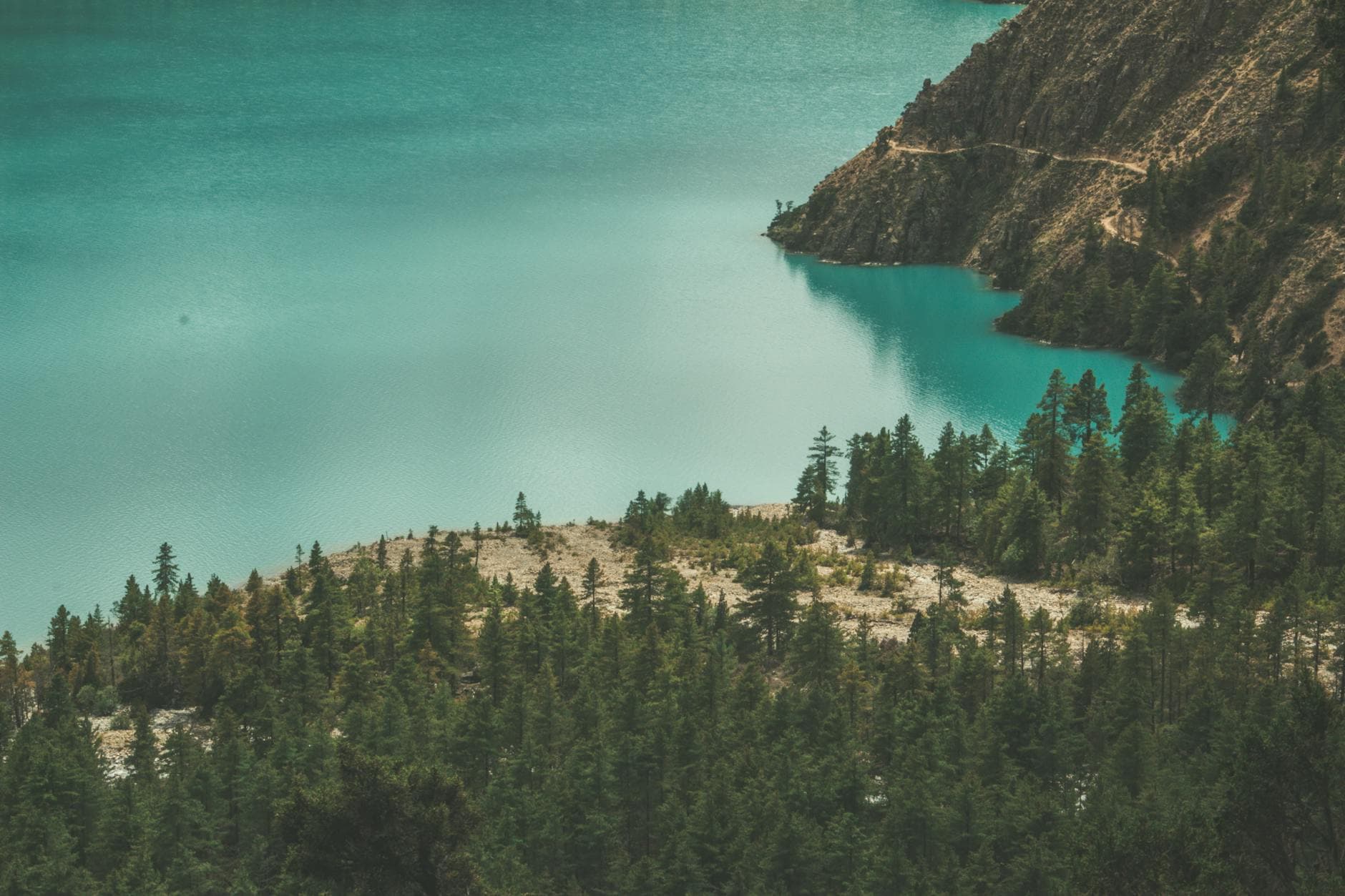
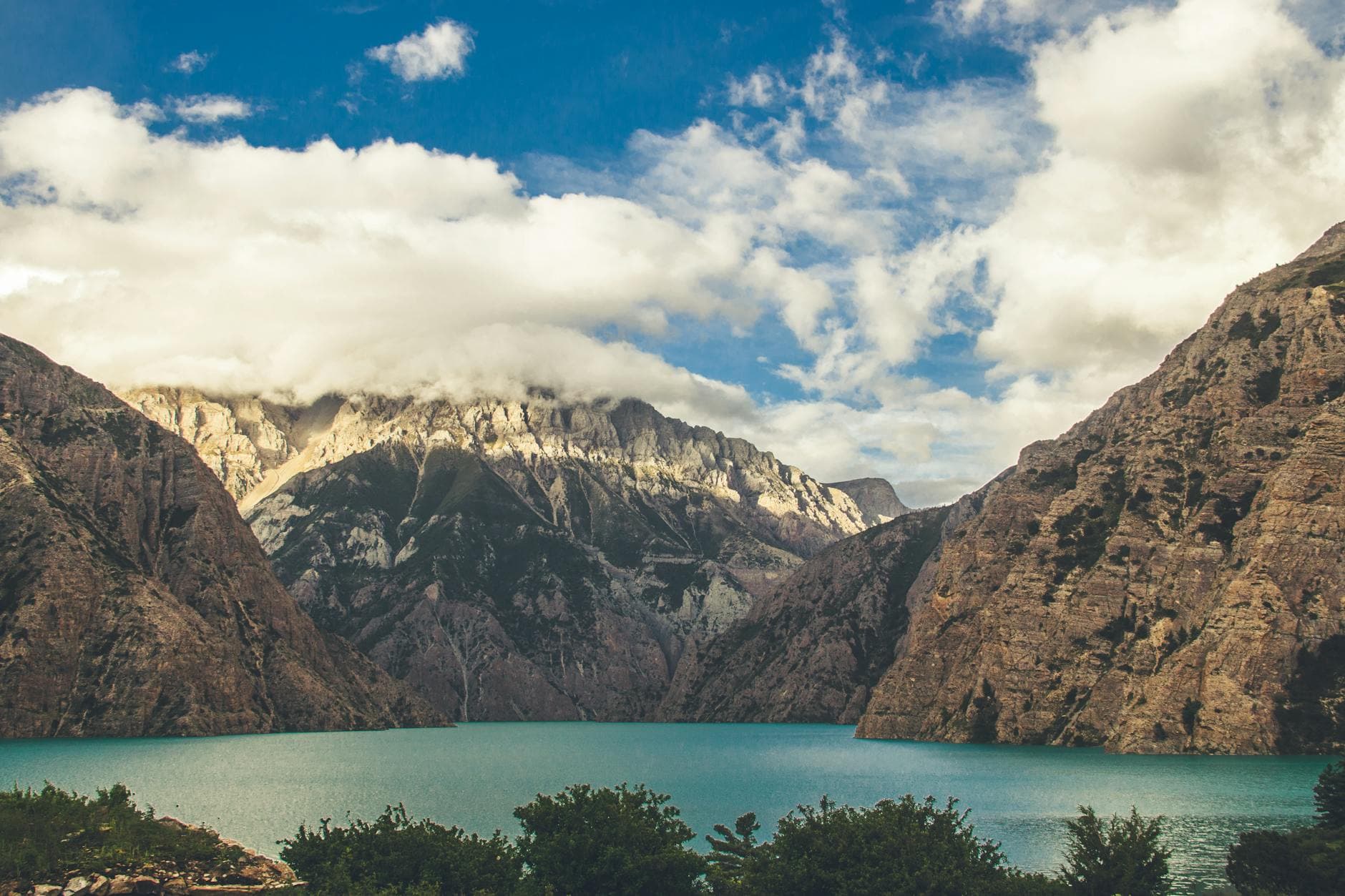
Upper Dolpo is Nepal's most remote and least-visited trekking region — a rugged, high-altitude wilderness on the Tibet border where the ancient Bon religion persists alongside Tibetan Buddhism. The trek passes the jewel-blue Phoksundo Lake (3,611 m), crosses the demanding Kang La Pass (5,151 m) to the sacred Shey Gompa (Crystal Mountain), and traverses some of the most austere and beautiful landscapes on earth. This is a camping trek requiring full expedition logistics.
Group Trips
Upcoming Group Departures
Reserve your spot — no payment upfront
Itinerary
Day-by-Day Itinerary
Arrive Kathmandu (1,350 m)
▲ 1,350 m
Welcome at Tribhuvan International Airport and transfer to your hotel in Thamel, with an evening briefing on the long journey into Dolpo ahead.
Overnight: Kathmandu
Kathmandu — sightseeing and expedition preparation
▲ 1,350 m
Permits, gear check, and a Kathmandu heritage visit before the journey into remote Nepal.
Overnight: Kathmandu
Fly Kathmandu → Nepalgunj (150 m)
▲ 150 m
A short domestic flight drops from the mountains to the hot Terai plains at Nepalgunj, near the Indian border — the overnight staging point for the Dolpo flight.
Overnight: Nepalgunj
Fly Nepalgunj → Juphal (2,475 m); trek to Dunai (2,140 m)
▲ 2,140 m
Short flight to the mountain airstrip at Juphal, then a descending trek to the district headquarters of Dunai.
Overnight: Dunai
Trek Dunai → Ankhe (2,660 m)
▲ 2,660 m
The first full trekking day climbs above the Bheri river through pine and walnut forest to the small settlement of Ankhe. 5–6 hrs.
Overnight: Ankhe
Trek Ankhe → Sulighat (3,465 m)
▲ 3,465 m
Climbing steadily through forest toward the high plateau country.
Overnight: Sulighat
Trek Sulighat → Phoksundo Lake (3,611 m)
▲ 3,611 m
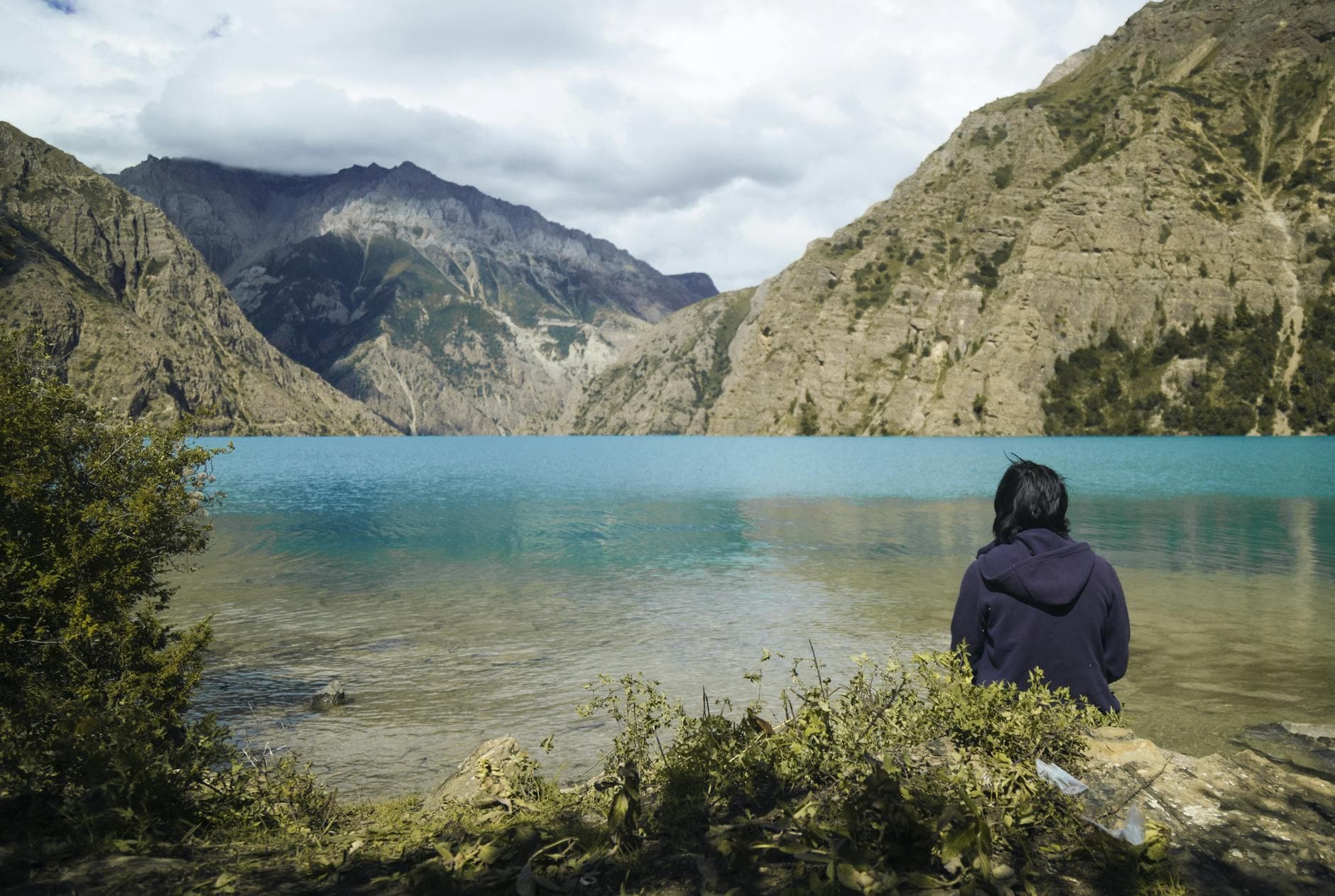
Arrive at the legendary Phoksundo Lake — among the most beautiful on earth: deep turquoise water framed by 2,000 m cliffs and the forbidding Kanjiroba Himal. 5–6 hrs.
Overnight: Phoksundo Lake
Acclimatization at Phoksundo Lake
▲ 3,611 m
A rest day to explore the lake shores and the small Bon monastery at Ringmo village.
Overnight: Phoksundo Lake
Trek Phoksundo → Phoksundo Khola (3,507 m)
▲ 3,507 m
Leave the lake and follow the Phoksundo Khola up a hidden glacial valley to a riverside camp, the trail growing wilder with every kilometre. 4–5 hrs.
Overnight: Phoksundo Khola camp
Trek → Phoksundo Bhanjyang (4,400 m)
▲ 4,400 m
Steep climb through boulder fields toward the high camp below Kang La.
Overnight: Phoksundo Bhanjyang camp
Cross Kang La (5,151 m); reach Shey Gompa (4,160 m)
▲ 5,151 m
The most demanding day: a high-altitude crossing of the Kang La with crampons and ice axe sections, then descent to the sacred Crystal Mountain and Shey Gompa. 8–10 hrs.
Overnight: Shey Gompa
Acclimatization and exploration at Shey Gompa (4,160 m)
▲ 4,160 m
Explore the ancient gompa and circumambulate the sacred Shey mountain — a pilgrimage site of immense power.
Overnight: Shey Gompa
Trek Shey Gompa → Namgung (4,430 m)
▲ 4,430 m
Cross open high country dotted with chortens and mani walls over a small pass to the tiny Bon hamlet of Namgung. 5–6 hrs.
Overnight: Namgung camp
Trek Namgung → Saldang (3,903 m)
▲ 3,903 m
One of Dolpo's largest villages — a Tibetan-influenced settlement on a high ridge with panoramic views.
Overnight: Saldang
Trek Saldang → Yangze Gompa (4,440 m)
▲ 4,440 m
A short day over a ridge to Yangze Gompa, one of Dolpo's oldest Bon monasteries, set among barley fields. 4–5 hrs.
Overnight: Yangze Gompa camp
Trek → Sibu (4,560 m)
▲ 4,560 m
Trek through stark high desert along the Nam Khong river to the herders' camp at Sibu. 5–6 hrs.
Overnight: Sibu camp
Trek → Jeng La Phedi (4,900 m)
▲ 4,900 m
A steady climb to a high camp at the foot of the Jeng La, positioned for an early pass crossing the next morning. 4–5 hrs.
Overnight: Jeng La Phedi camp
Cross Jeng La (5,090 m); trek to Tokyu Gaon (4,200 m)
▲ 5,090 m
Another high pass crossing on the return loop — views into both Dolpo and the Tarap valley.
Overnight: Tokyu Gaon camp
Trek → Dho Tarap (3,944 m)
▲ 3,944 m
Reach the largest permanent village in Upper Dolpo — a fascinating Tibetan-Buddhist settlement.
Overnight: Dho Tarap
Trek Dho Tarap → Tarap Khola / Kamakharka (3,800 m)
▲ 3,800 m
Begin the long descent, following the Tarap Khola down the valley to a riverside camp at Kamakharka. 6–7 hrs.
Overnight: Kamakharka camp
Trek → Khanigaon (3,150 m)
▲ 3,150 m
Follow the narrowing Tarap gorge, crossing and recrossing the river on log bridges, to camp at Khanigaon. 6–7 hrs.
Overnight: Khanigaon camp
Trek Khanigaon → Tarakot (2,540 m)
▲ 2,540 m
The gorge opens into cultivated country at Tarakot, a historic fortress village set above the Bheri river. 5–6 hrs.
Overnight: Tarakot
Trek Tarakot → Dunai (2,140 m)
▲ 2,140 m
An easier riverside walk back to the district town of Dunai, the trail busy with local life again. 4–5 hrs.
Overnight: Dunai
Trek Dunai → Juphal (2,475 m)
▲ 2,475 m
The final trekking day climbs gently to the airstrip village of Juphal — a last evening with the camp crew. 2–3 hrs.
Overnight: Juphal
Fly Juphal → Nepalgunj → Kathmandu
▲ 1,350 m
Early mountain flights carry you Juphal → Nepalgunj → Kathmandu, weather permitting, with a free evening to celebrate the journey.
Overnight: Kathmandu
Departure
Gallery
Moments from the route
Route
Route Map
Route and durations are approximate and can be customised to your schedule.
Included
What's Included
Exclusions
Not Included
Before You Go
Important Notes
- Permits: Upper Dolpo Restricted Area Permit + Shey-Phoksundo National Park entry — arranged by TempleFront. The Upper Dolpo restricted-area permit is among the highest in Nepal and its fee changes periodically — we confirm the current rate with your quote.
- Licensed guide mandatory — solo trekking is not permitted.
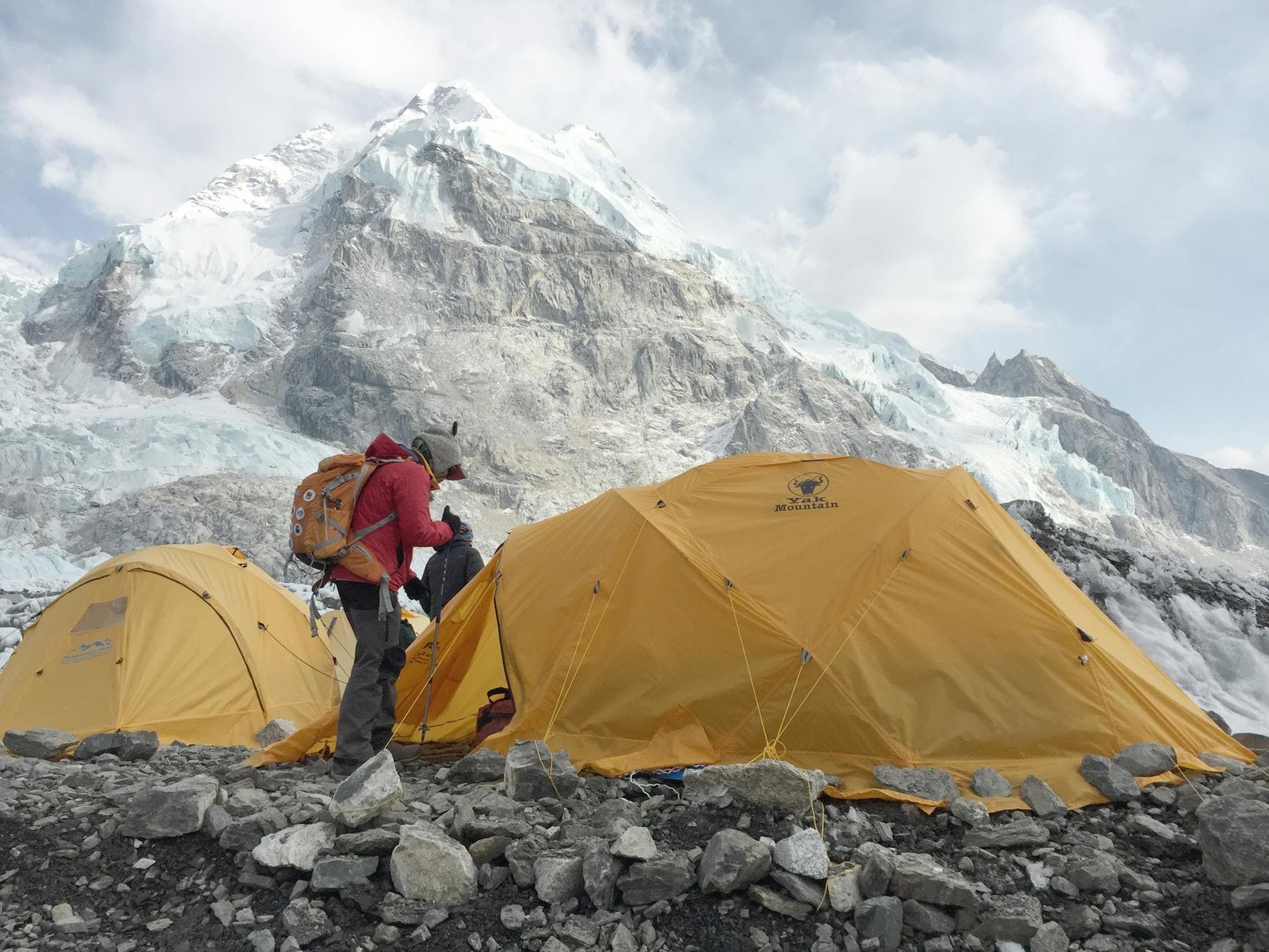
- Camping trek: all camping equipment, tents, and cook staff are provided by TempleFront. No teahouses beyond Dunai.
- Best season: June–September — Upper Dolpo lies in a rain-shadow and stays dry even during Nepal's monsoon. Spring (April–May) is also possible.
- This is a very challenging camping expedition — over three weeks on the trail, two passes above 5,000 m (one with crampons and ice-axe sections), and many days at altitude. Previous high-altitude trekking experience and a high level of fitness are essential.
- Juphal and Nepalgunj flights are small and frequently delayed or cancelled by weather — build 2–3 buffer days into your plans so a delay does not cut the trek short.
- Comprehensive travel insurance including emergency helicopter evacuation is strongly recommended.
Frequently Asked
Frequently Asked Questions
Is this a private trek?
Yes — every TempleFront trek is guided exclusively for your group. We never combine you with other trekkers.
What is included in the price?
All required permits, a licensed English-speaking guide, porters, all camping equipment (tents, cooking gear, kitchen staff), and all meals in camp (full board). Flights to/from Juphal are quoted separately.
Is Upper Dolpo truly the most remote trek in Nepal?
It is among the most remote. Upper Dolpo has no road access — you fly into Juphal and the only way in or out is on foot. Fewer than a few hundred trekkers visit per year. The Bon religion, ancient gompas, and yak-herding villages feel entirely unchanged from centuries ago.
What makes Upper Dolpo unique culturally?
Upper Dolpo is one of the last strongholds of the Bon religion — the pre-Buddhist faith of Tibet. The Phoksundo Lake, Shey Gompa (Crystal Mountain), and the remote villages of Saldang and Dho Tarap are places of deep spiritual significance untouched by mass tourism.
What about altitude sickness?
The trek crosses two passes above 5,000 m (Kang La 5,151 m and Jeng La 5,090 m). Proper acclimatisation is essential and built into the itinerary. Consult your doctor about altitude medication. Emergency helicopter evacuation is included in your comprehensive insurance.
What camping gear is provided?
TempleFront provides mountain tents, sleeping mats, a kitchen tent, dining tent, cook, and kitchen assistant. You need your own personal sleeping bag (rated to -15°C for high camps), trekking clothing, and personal equipment. A detailed packing list is provided on booking.
How do I get to Juphal?
The flight route is: Kathmandu → Nepalgunj (1.5 hrs by domestic flight) → Juphal (30 min mountain flight). We arrange all flights. Mountain flights are weather-dependent — always allow a buffer day in Nepalgunj.
How do I confirm a booking?
Send us a WhatsApp or email enquiry. We respond same day with a detailed logistics briefing and quote. A deposit secures your dates.
Keep exploring
Travellers who like this also explore
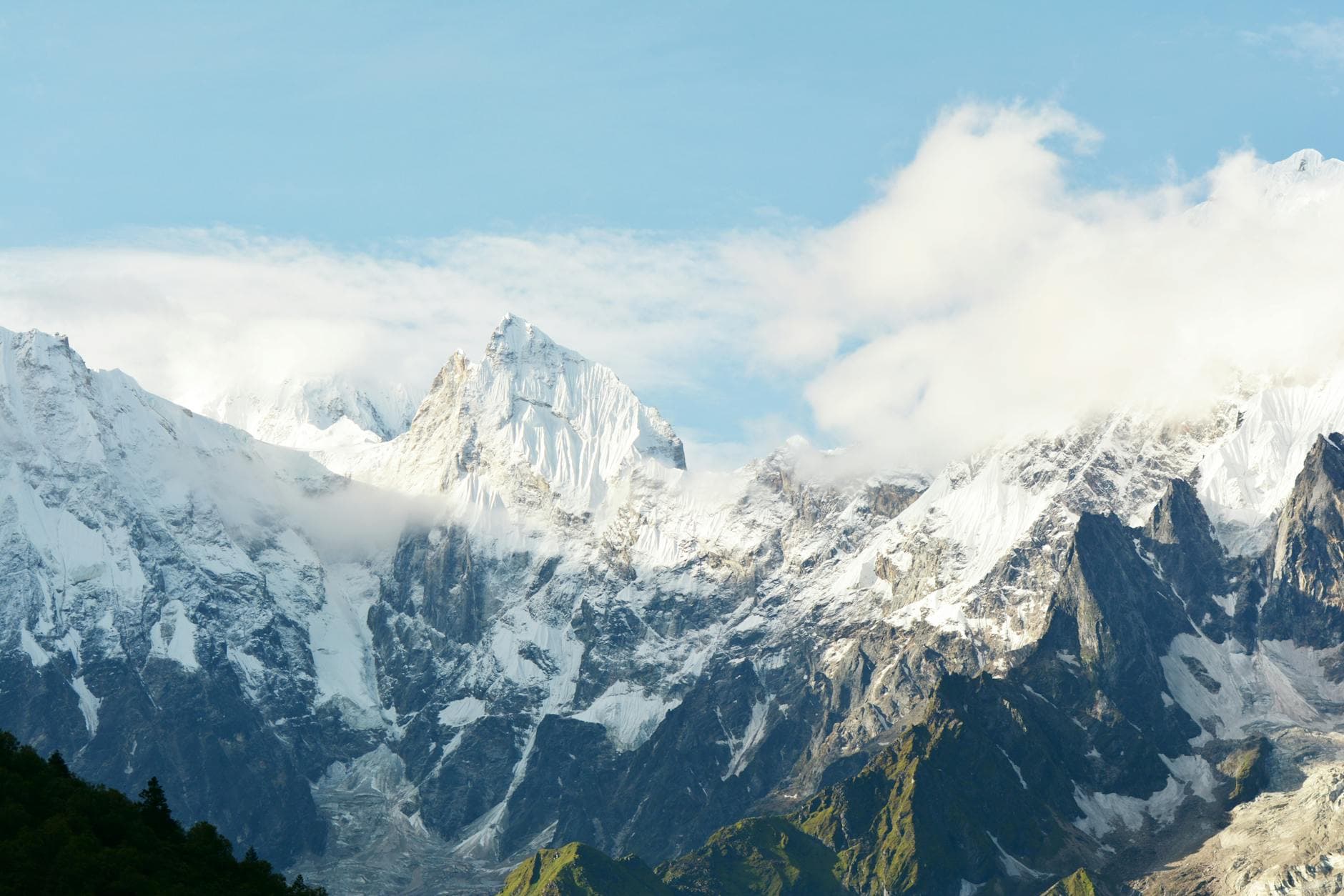
Everest Three Pass Trek
Cross three high passes — Kongma La, Cho La, and Renjo La — in the ultimate Khumbu circuit.
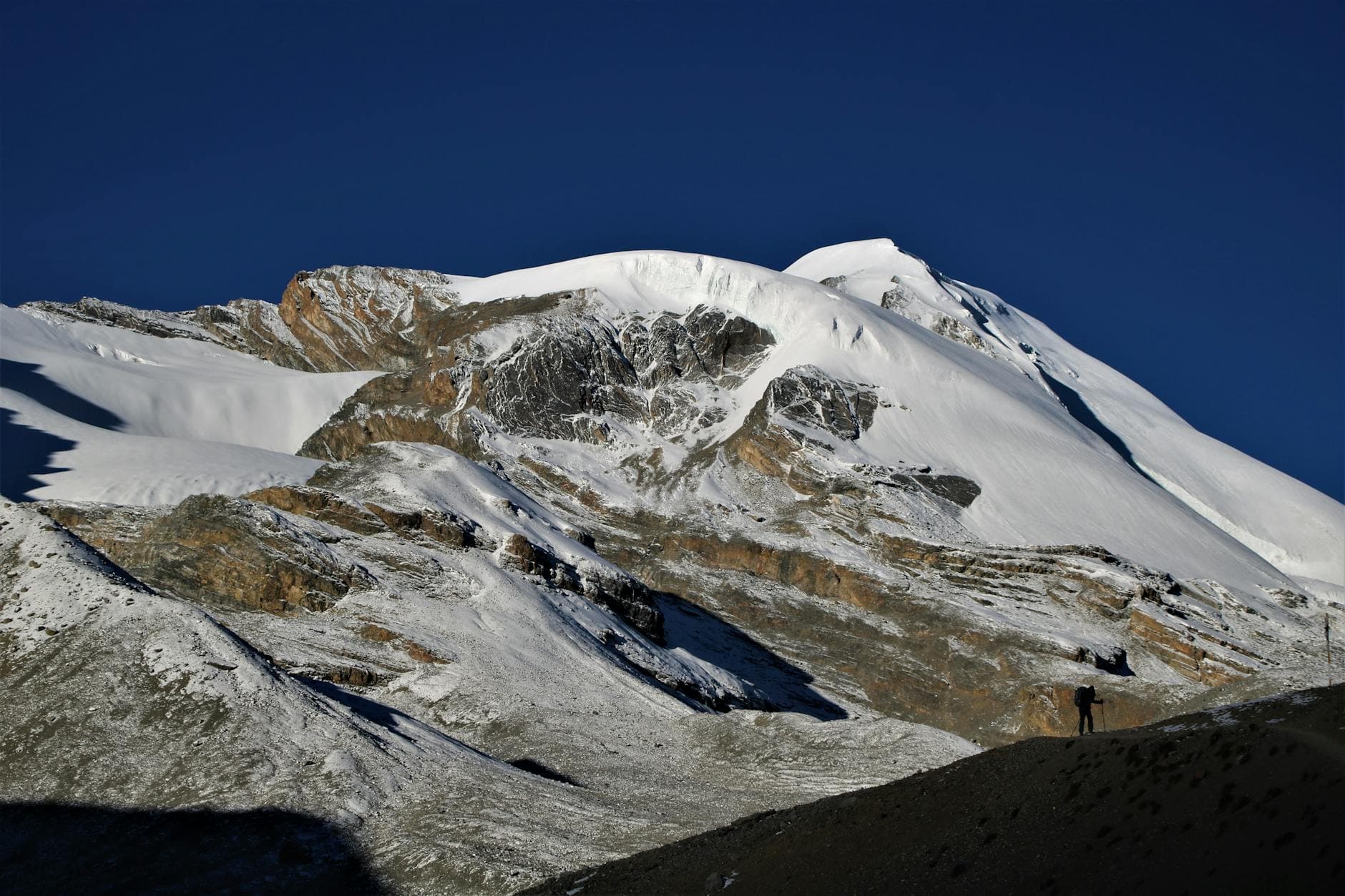
Annapurna Circuit Trek
The classic circuit of the Annapurna massif — from subtropical valleys to the world's highest pass trail.
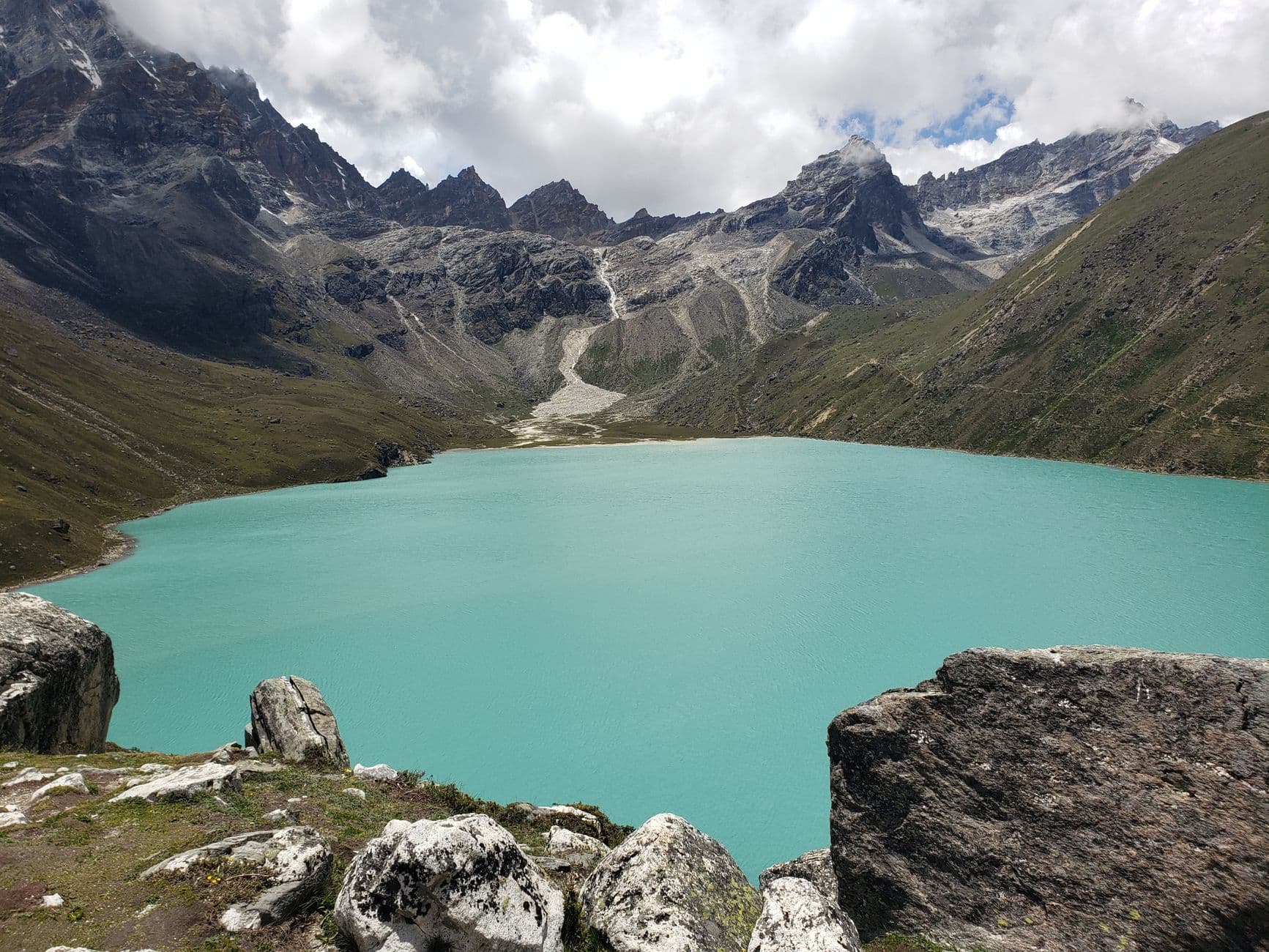
Gokyo Lakes Trek
High turquoise lakes, the world's largest glacier, and sunrise from Gokyo Ri — all in one epic circuit.
Ready?
Ready to plan your trip?
Every tour is private and fully customisable. Drop us a message and we'll build the perfect itinerary for your group.