Mount Everest Expedition (South Col)
The South Col route — the classic line to the top of the world from Nepal.
Price
Contact us for pricing
Kathmandu-direct pricing — no middleman markup.
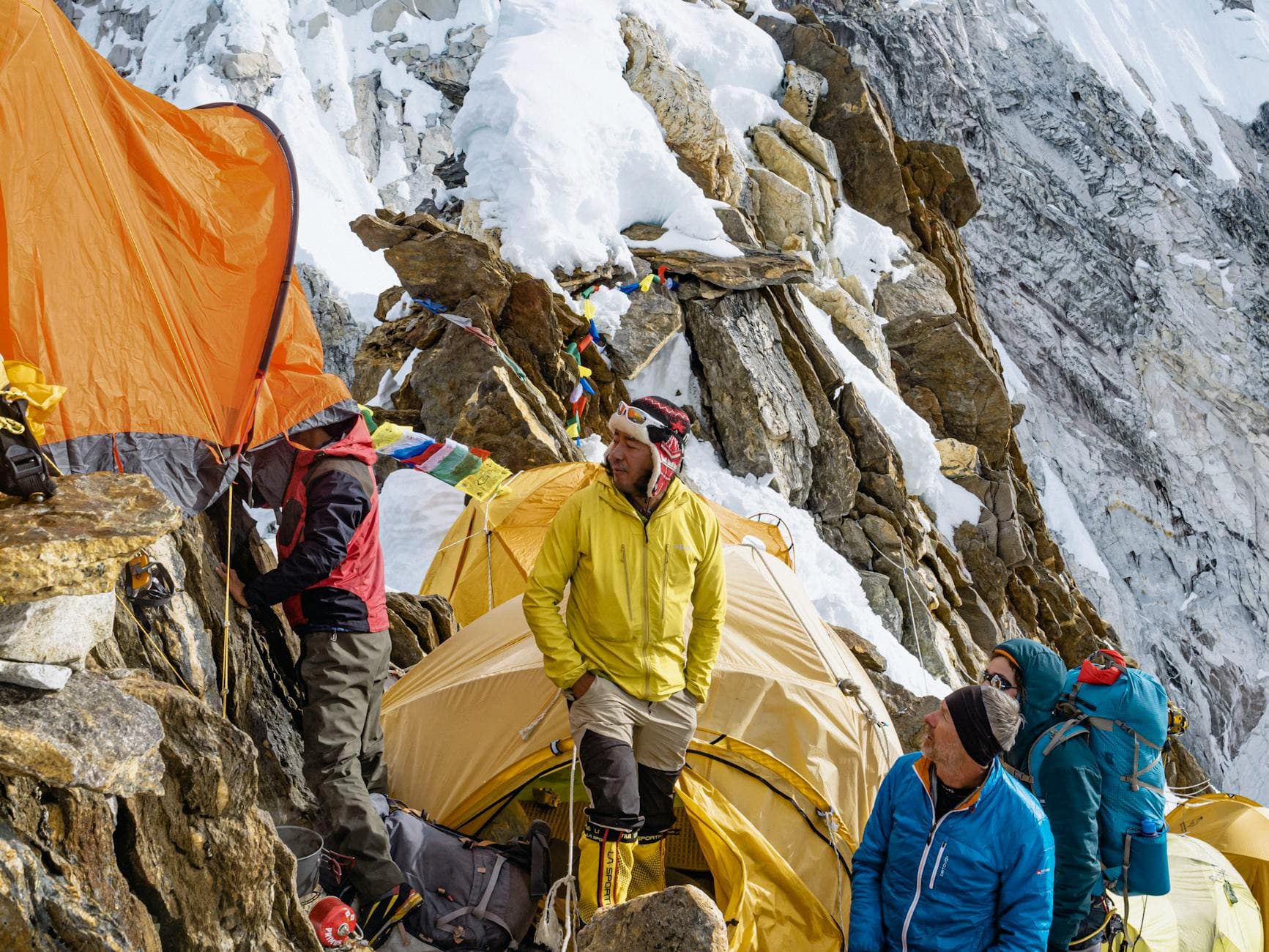
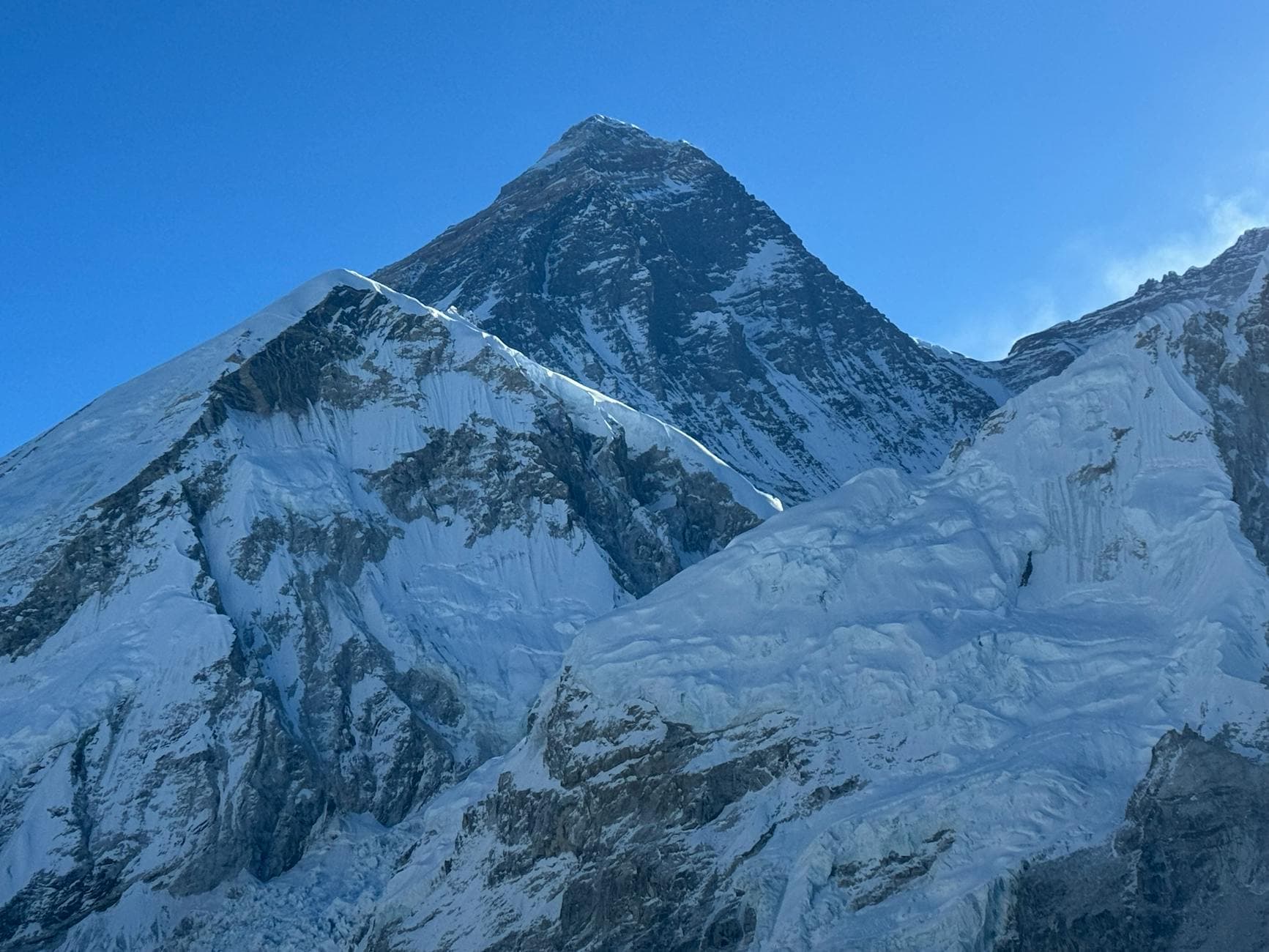
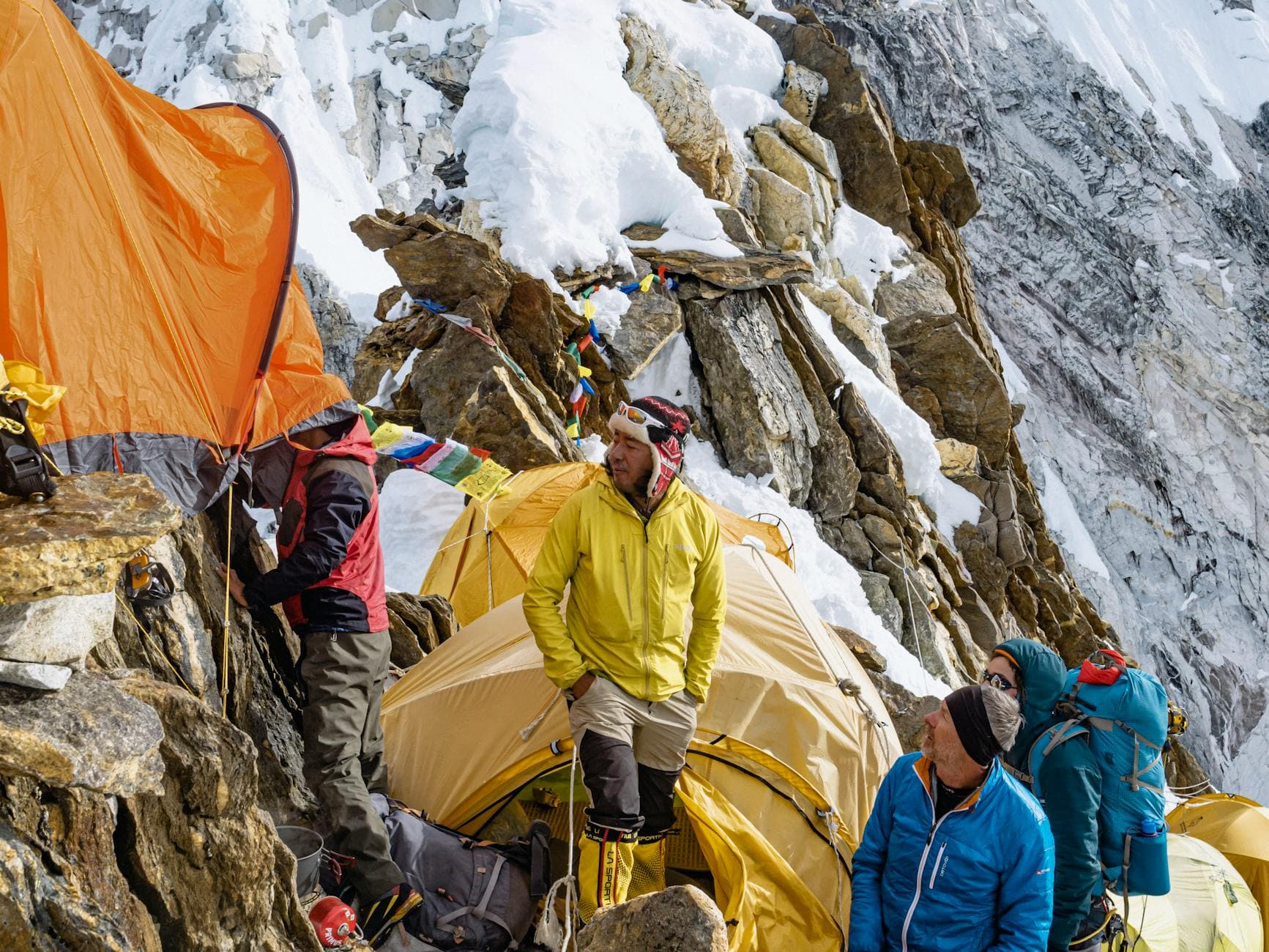
The Everest South Col Expedition follows the route pioneered by Hillary and Tenzing in 1953: through the Khumbu Icefall, across the Western Cwm, up the Lhotse Face to the South Col, and on to the highest point on earth at 8,848 m. With a maximum group of 8 climbers and a 1:1 Sherpa ratio, every client receives dedicated support. Previous experience at 7,000–8,000 m is required.
Group Trips
Upcoming Group Departures
Reserve your spot — no payment upfront
Itinerary
Day-by-Day Itinerary
Arrive Kathmandu (1,350 m)
▲ 1,350 m
Welcome at Tribhuvan International Airport and transfer to your hotel in Thamel — the start of a two-month expedition.
Overnight: Kathmandu
Kathmandu — permit processing and team briefing
▲ 1,350 m
Permits are finalised with the Department of Tourism and the team meets for a full expedition briefing.
Overnight: Kathmandu
Kathmandu — final logistics and gear check
▲ 1,350 m
A thorough gear check and packing of expedition loads before flying into the mountains.
Overnight: Kathmandu
Fly Kathmandu → Lukla; trek to Phakding (2,652 m)
▲ 2,652 m
The famous mountain flight to Lukla, then a gentle first trekking day down the Dudh Koshi to Phakding. 3–4 hrs.
Overnight: Phakding
Trek Phakding → Namche Bazaar (3,440 m)
▲ 3,440 m
Suspension bridges and a steady climb through Sagarmatha National Park to the Sherpa capital of Namche. 5–6 hrs.
Overnight: Namche Bazaar
Acclimatization in Namche Bazaar
▲ 3,440 m
An acclimatisation day with a hike toward the Everest View Hotel for the first panorama of the high peaks.
Overnight: Namche Bazaar
Trek Namche → Tyangboche (3,850 m)
▲ 3,850 m
A scenic traverse above the Dudh Koshi to the monastery of Tyangboche, spiritual heart of the Khumbu. 5–6 hrs.
Overnight: Tyangboche
Trek Tyangboche → Dingboche (4,350 m)
▲ 4,350 m
Through Pangboche into the open Imja valley at Dingboche, beneath Ama Dablam and Lhotse. 5–6 hrs.
Overnight: Dingboche
Trek Dingboche → Lobuche (5,018 m)
▲ 5,018 m
Up the Khumbu valley past the climbers' memorials at Thukla to Lobuche. 5 hrs.
Overnight: Lobuche
Acclimatization at Lobuche
▲ 5,018 m
A rest and acclimatisation day at 5,018 m before moving up to base camp.
Overnight: Lobuche
Trek Lobuche → Gorak Shep (5,170 m)
▲ 5,170 m
A short stage along the Khumbu Glacier moraine to Gorak Shep, the last settlement before base camp. 3 hrs.
Overnight: Gorak Shep
Trek to Everest Base Camp (5,200 m)
▲ 5,200 m
Arrive at EBC — base for the coming weeks of climbing.
Overnight: EBC
Days 13–58: Summit phase
▲ 8,848 m
The climbing schedule unfolds over approximately six weeks: acclimatization rotations through Camps 1 (5,900 m), 2 (6,400 m), 3 (7,100 m), and 4 (7,900 m — South Col), with a summit push timed to the spring weather window. Return to BC between rotations for rest.
Overnight: EBC / High Camps
Trek EBC → Dingboche
▲ 4,350 m
Strike base camp and descend the Khumbu valley to the thicker air of Dingboche. 6–7 hrs.
Overnight: Dingboche
Trek Dingboche → Tengboche
▲ 3,850 m
Continue down past Pangboche to the monastery at Tengboche, the green of the forest a welcome change. 4–5 hrs.
Overnight: Tengboche
Trek Tengboche → Namche Bazaar
▲ 3,440 m
A descent back to Namche for the first hot shower and comforts in many weeks. 4–5 hrs.
Overnight: Namche Bazaar
Trek Namche → Lukla
▲ 2,860 m
The final trekking day down the Dudh Koshi to Lukla, with a celebratory dinner with the Sherpa team. 6–7 hrs.
Overnight: Lukla
Fly Lukla → Kathmandu
▲ 1,350 m
Morning mountain flight back to Kathmandu and a free afternoon to rest.
Overnight: Kathmandu
Rest, celebration, and shopping in Kathmandu
▲ 1,350 m
A free day in Kathmandu to rest, celebrate the expedition with the team, and shop for souvenirs.
Overnight: Kathmandu
Departure
Gallery
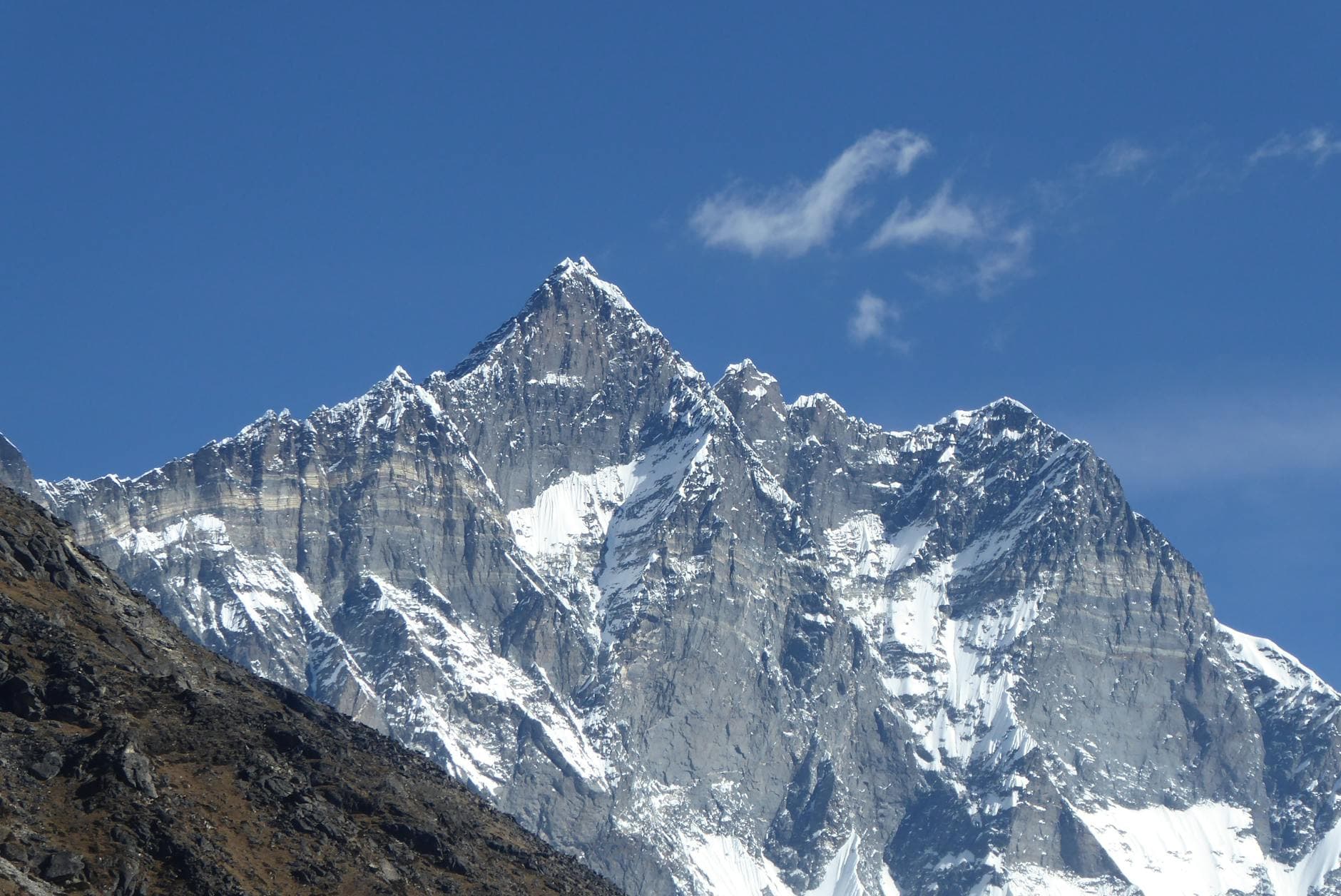
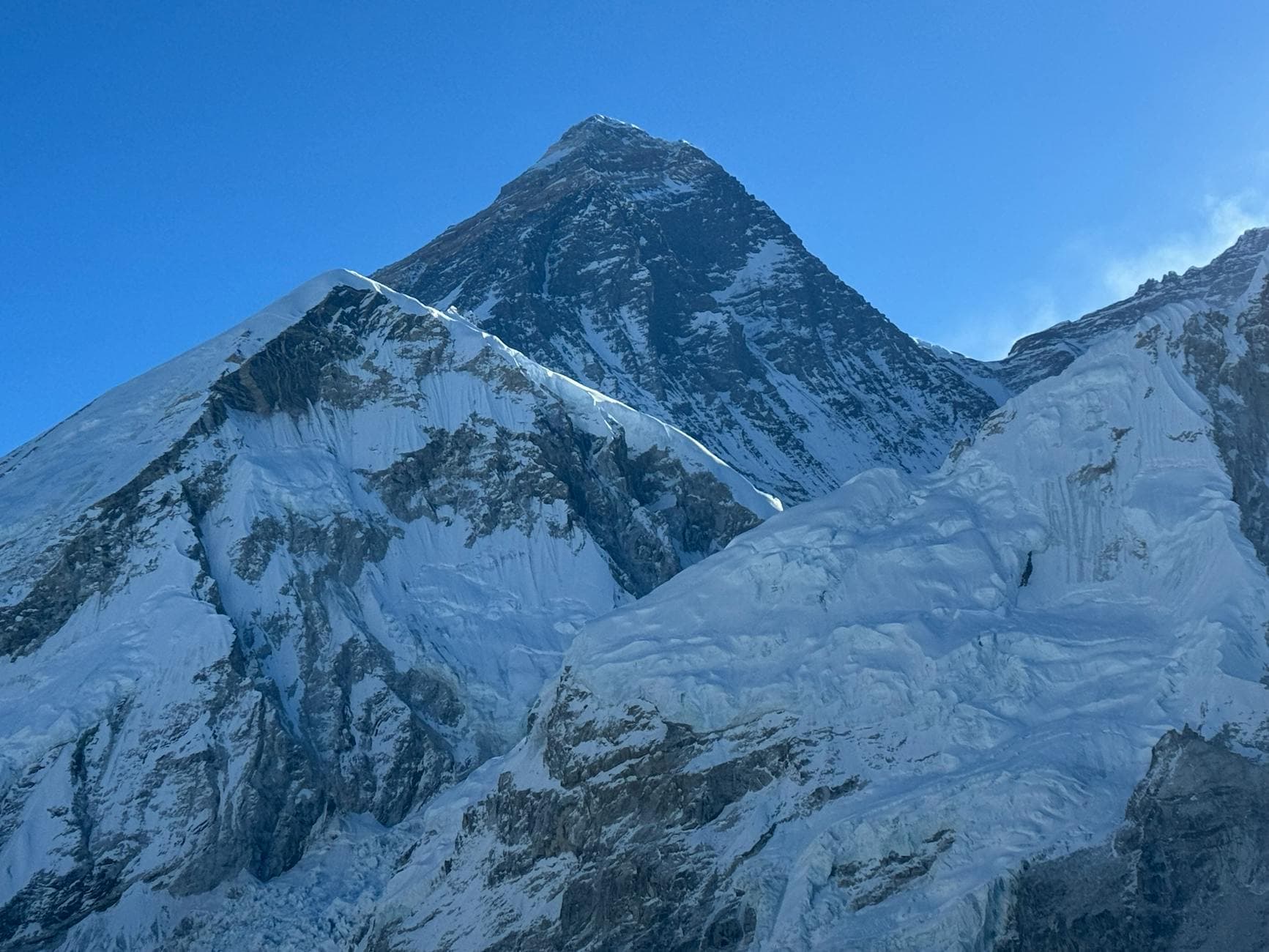
Moments from the route
Route
Route Map
Route and durations are approximate and can be customised to your schedule.
Included
What's Included
Exclusions
Not Included
Before You Go
Important Notes
- Maximum 8 climbers per team; 1:1 climber-to-Sherpa ratio.
- Prerequisite: previous summits at 7,000–8,000 m.
- Best season: Spring (April–May). Autumn expeditions are possible but less common.
- All base camp infrastructure, oxygen, fixed ropes, Sherpa support, and cooking staff provided.
- Comprehensive travel insurance covering high-altitude climbing and emergency helicopter evacuation is mandatory — submit policy details before departure.
- Permits: Climbing permit from NMA (Nepal Mountaineering Association) or DoT (Department of Tourism), plus applicable park permits — all arranged by TempleFront.
Frequently Asked
Frequently Asked Questions
Is this a private expedition?
Yes — TempleFront expeditions are run exclusively for your team. We never combine you with other clients.
What experience is required?
Previous summits at 7,000–8,000 m are required. This is among the most demanding mountaineering objectives in the world. Your expedition CV will be reviewed during the booking process.
What is the Khumbu Icefall risk?
The Khumbu Icefall is the most objective hazard on the South Col route — a moving glacier of seracs and crevasses crossed multiple times during rotations. We minimise crossings to early morning when temperatures are coldest and the ice is most stable, and our 1:1 Sherpa ratio means you are never alone in the Icefall.
How much supplemental oxygen is provided?
All clients receive supplemental oxygen from Camp 3 (7,100 m) upward, with dedicated bottles for the summit push. Summit Sherpas also carry oxygen. The precise flow rate and volume are briefed at base camp.
What is the summit success rate?
Summit rates on Everest vary considerably by year, team, and conditions. We prioritise safety over statistics and never push clients to summit in unsafe weather. Our experienced Sherpa team and conservative approach deliver the best possible outcome.
Is insurance mandatory?
Yes — comprehensive insurance covering high-altitude climbing and emergency helicopter evacuation to Kathmandu is mandatory for all team members. Your policy details must be submitted before departure.
How far in advance should I book?
The spring Everest season is heavily subscribed. Permit applications open approximately 12 months in advance. Contact us at least 12 months before your target season to secure your place.
How do I enquire?
Send us a WhatsApp or email with your climbing CV and target season. We respond same day and begin the permit application process.
Keep exploring
Travellers who like this also explore
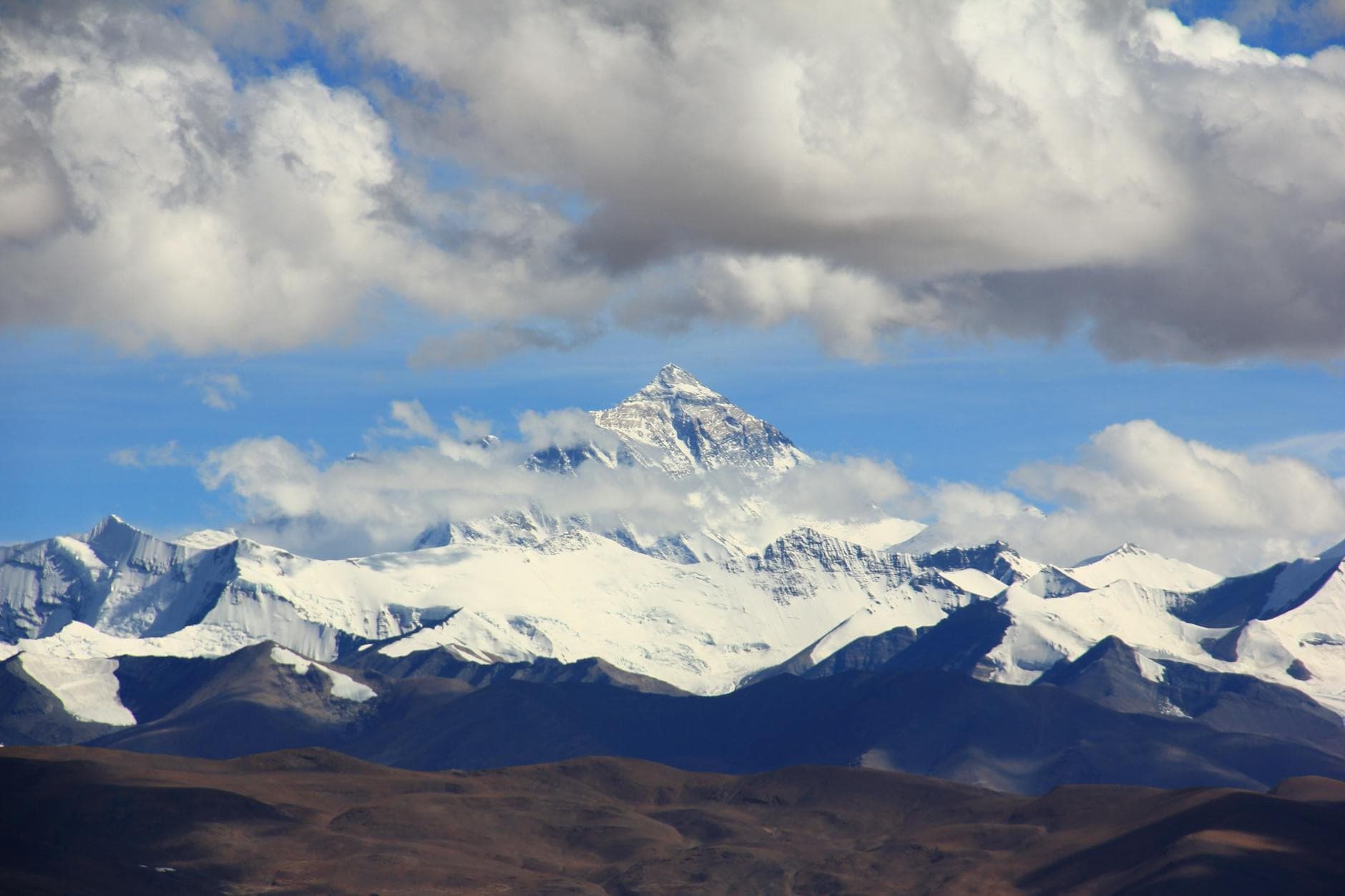
Mount Everest Expedition (North Face, Tibet)
The original route — Mallory's ridge from the Tibetan plateau to the top of the world.
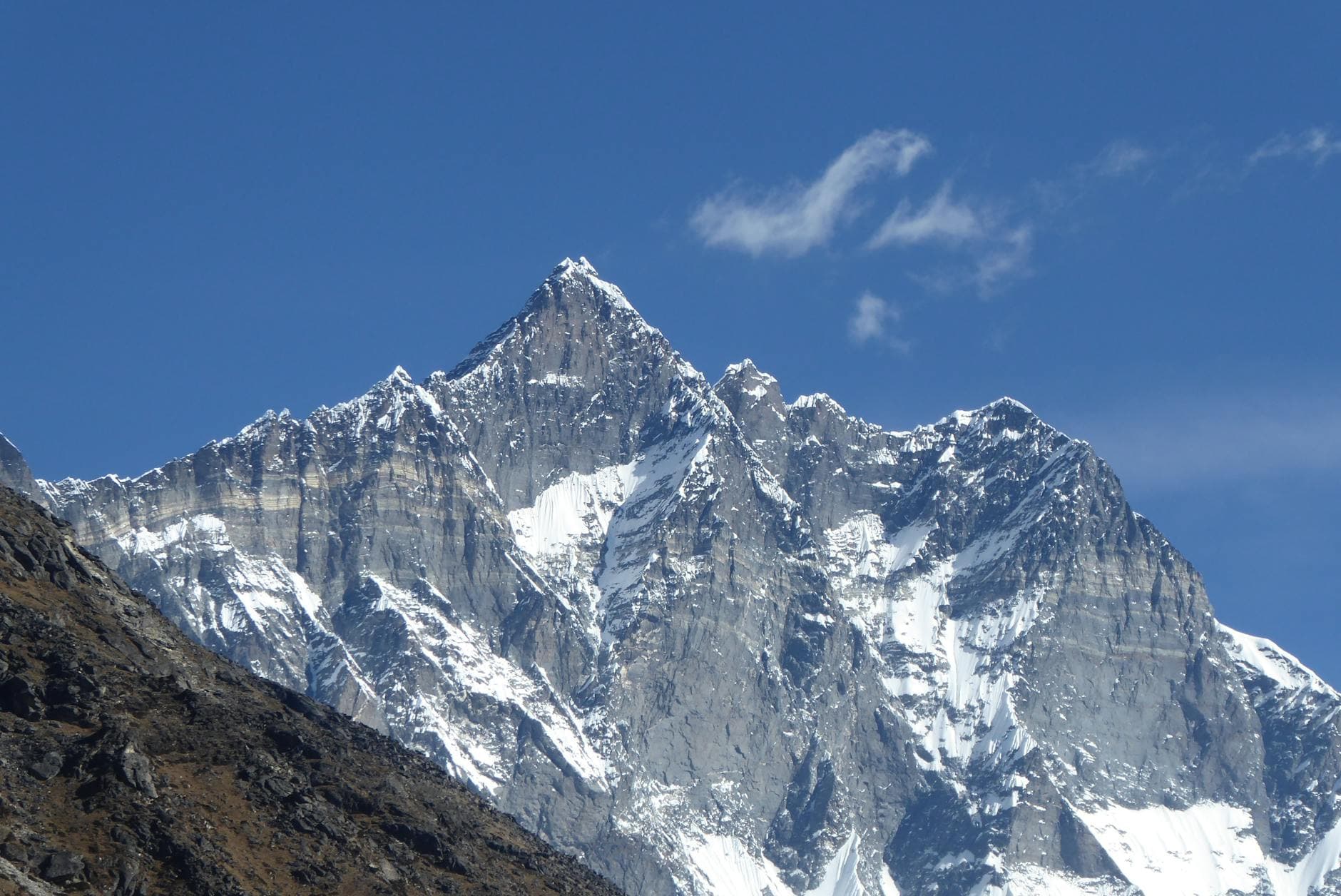
Lhotse Expedition
The fourth-highest mountain — sharing Everest's base camp and the iconic Lhotse Face.
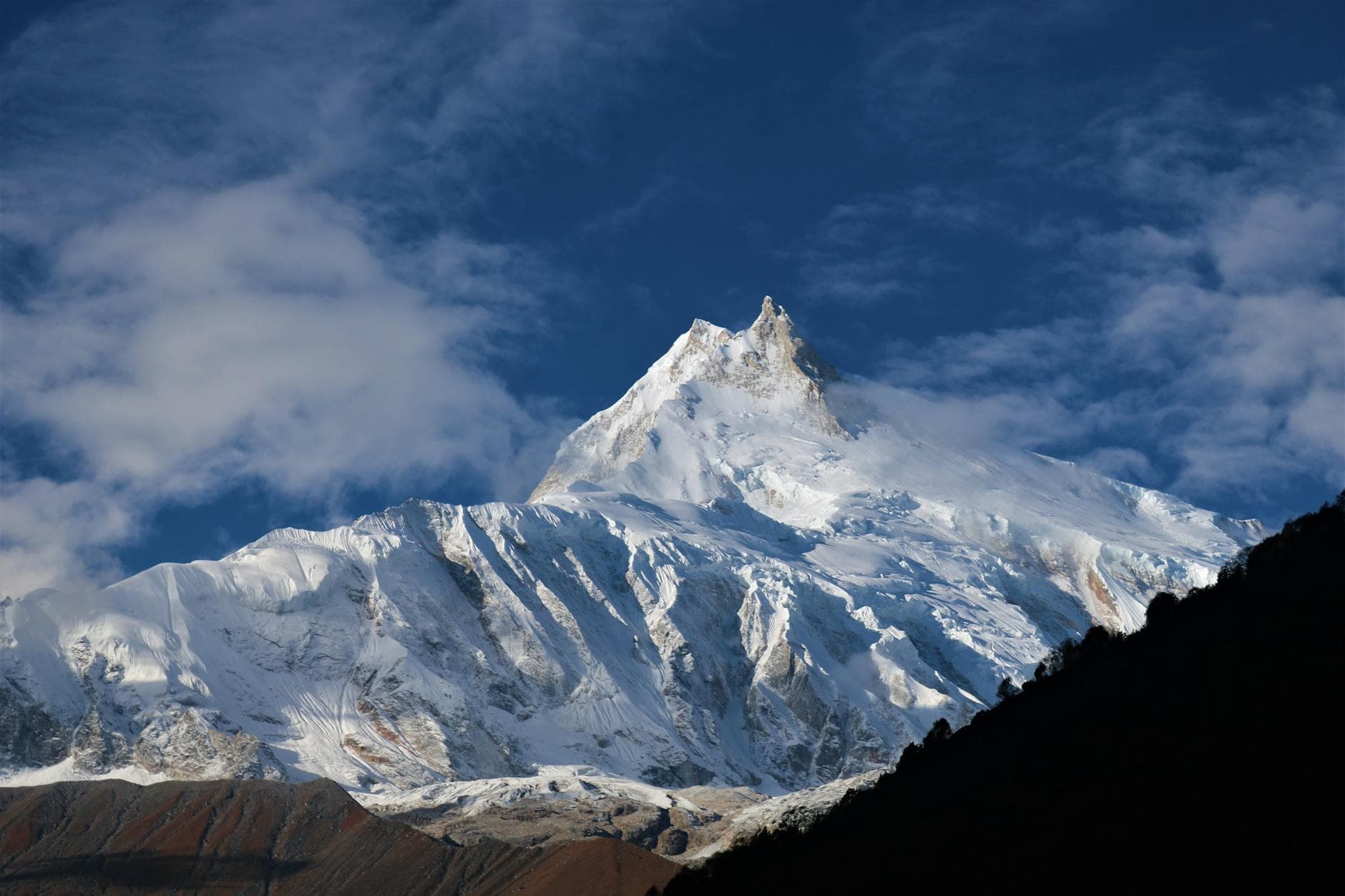
Manaslu Climbing Expedition
The eighth-highest mountain in the world — a technically demanding and deeply rewarding ascent.
Ready?
Ready to plan your trip?
Every tour is private and fully customisable. Drop us a message and we'll build the perfect itinerary for your group.