Lhotse Expedition
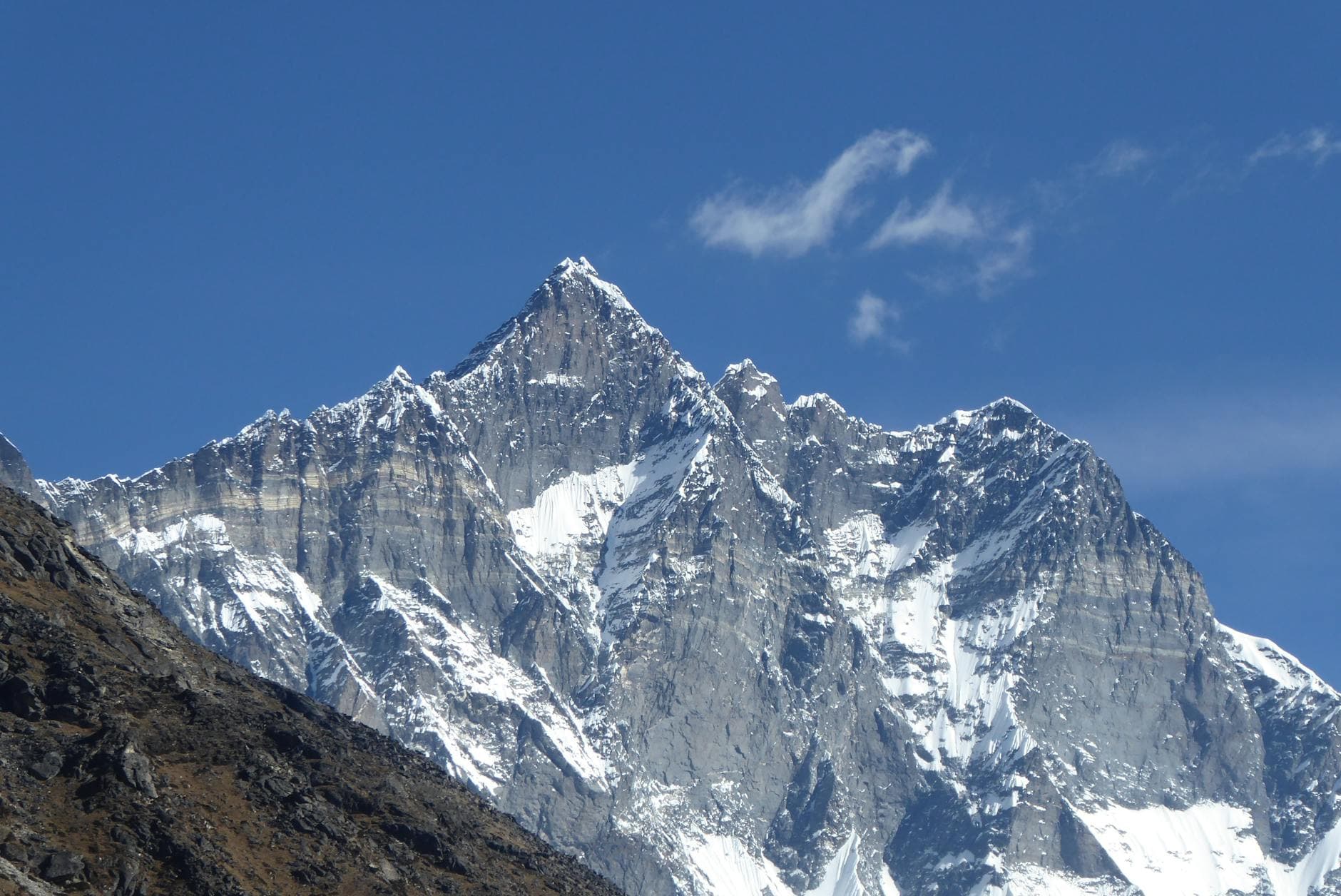
The fourth-highest mountain — sharing Everest's base camp and the iconic Lhotse Face.
Price
Contact us for pricing
Kathmandu-direct pricing — no middleman markup.
Lhotse (8,516 m) is the world's fourth-highest peak and shares its base camp and lower mountain with Everest. The route crosses the Khumbu Icefall to the Western Cwm, then turns up the Lhotse Face — one of the highest and most imposing ice faces in the Himalayas — to the summit. The shared infrastructure with Everest expeditions means excellent logistics and a well-proven route, while Lhotse itself remains considerably less crowded.
Group Trips
Upcoming Group Departures
Reserve your spot — no payment upfront
Itinerary
Day-by-Day Itinerary
Arrive Kathmandu (1,350 m)
▲ 1,350 m
Welcome at Tribhuvan International Airport and transfer to your hotel in Thamel.
Overnight: Kathmandu
Kathmandu — permit processing
▲ 1,350 m
Climbing permits are finalised with the Department of Tourism and the Sagarmatha National Park office.
Overnight: Kathmandu
Group briefing and gear check; farewell dinner
▲ 1,350 m
A full expedition briefing and thorough gear check, followed by a farewell dinner before flying to the Khumbu.
Overnight: Kathmandu
Fly Kathmandu → Lukla; trek to Phakding (2,652 m)
▲ 2,652 m
The famous mountain flight to Lukla, then a gentle first trekking day down the Dudh Koshi to Phakding. 3–4 hrs.
Overnight: Phakding
Trek Phakding → Namche Bazaar (3,440 m)
▲ 3,440 m
Suspension bridges and a steady climb through Sagarmatha National Park to the Sherpa capital of Namche. 5–6 hrs.
Overnight: Namche Bazaar
Acclimatization in Namche
▲ 3,440 m
An acclimatisation day in Namche with a hike toward the Everest View Hotel for the first panorama of Everest, Lhotse and Ama Dablam.
Overnight: Namche Bazaar
Trek Namche → Deboche via Tengboche Monastery
▲ 3,820 m
The trail passes the revered Tengboche Monastery before descending to the valley below.
Overnight: Deboche
Trek Deboche → Dingboche (4,267 m)
▲ 4,267 m
Through Pangboche into the open Imja valley to Dingboche, the Lhotse wall now filling the head of the valley. 5–6 hrs.
Overnight: Dingboche
Acclimatization rest in Dingboche
▲ 4,267 m
An acclimatisation rest day at Dingboche with an optional ridge hike to aid the body's adaptation.
Overnight: Dingboche
Trek Dingboche → Lobuche (4,877 m)
▲ 4,877 m
Up the Khumbu valley past the climbers' memorials at Thukla to Lobuche. 5 hrs.
Overnight: Lobuche
Trek Lobuche → Gorak Shep; hike to Kala Patthar for Everest views
▲ 5,545 m
A short stage to Gorak Shep, then an afternoon hike up Kala Patthar (5,545 m) for a classic Everest sunset. 4–5 hrs.
Overnight: Gorak Shep
Trek to Everest / Lhotse Base Camp (5,200 m)
▲ 5,200 m
Arrive at the shared Everest–Lhotse BC. The Lhotse Face towers above.
Overnight: Base Camp
Days 13–49: Summit climbing phase
▲ 8,516 m
Acclimatization rotations through Camps 1 (~5,800 m), 2 (6,400 m), and 3 (~7,300 m), sharing the Khumbu Icefall and Western Cwm infrastructure with Everest expeditions. Summit push on the Lhotse Face to the couloir.
Overnight: BC / High Camps
Begin return journey to Kathmandu (Days 50–56)
▲ 2,860 m
Strike base camp and begin the multi-day trek-out down the Khumbu — Lobuche, Pheriche, Namche and Lukla over days 50–56 — before flying back to Kathmandu.
Overnight: Descending
Return Kathmandu — celebration dinner
Overnight: Kathmandu
Departure
Gallery
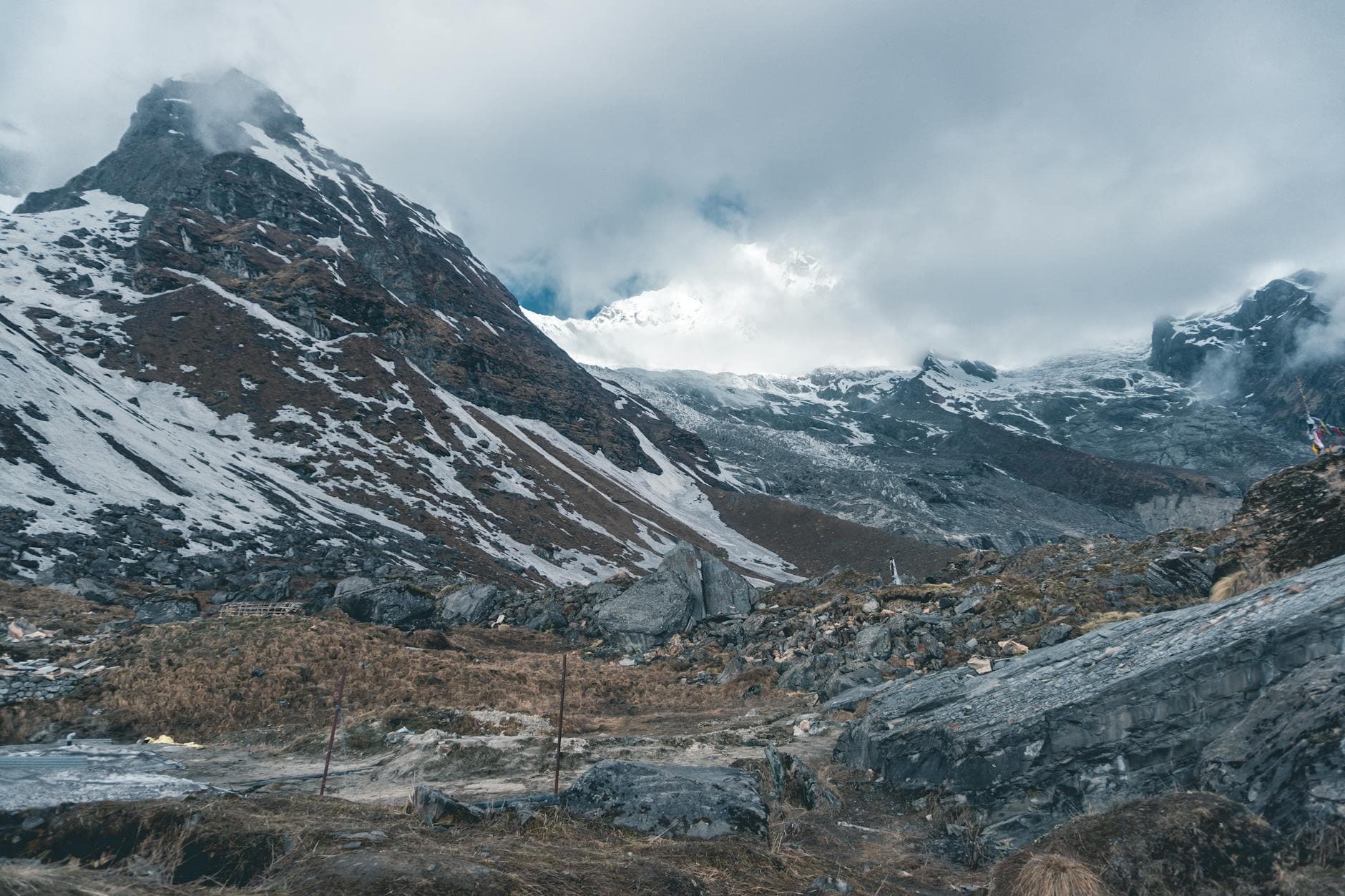
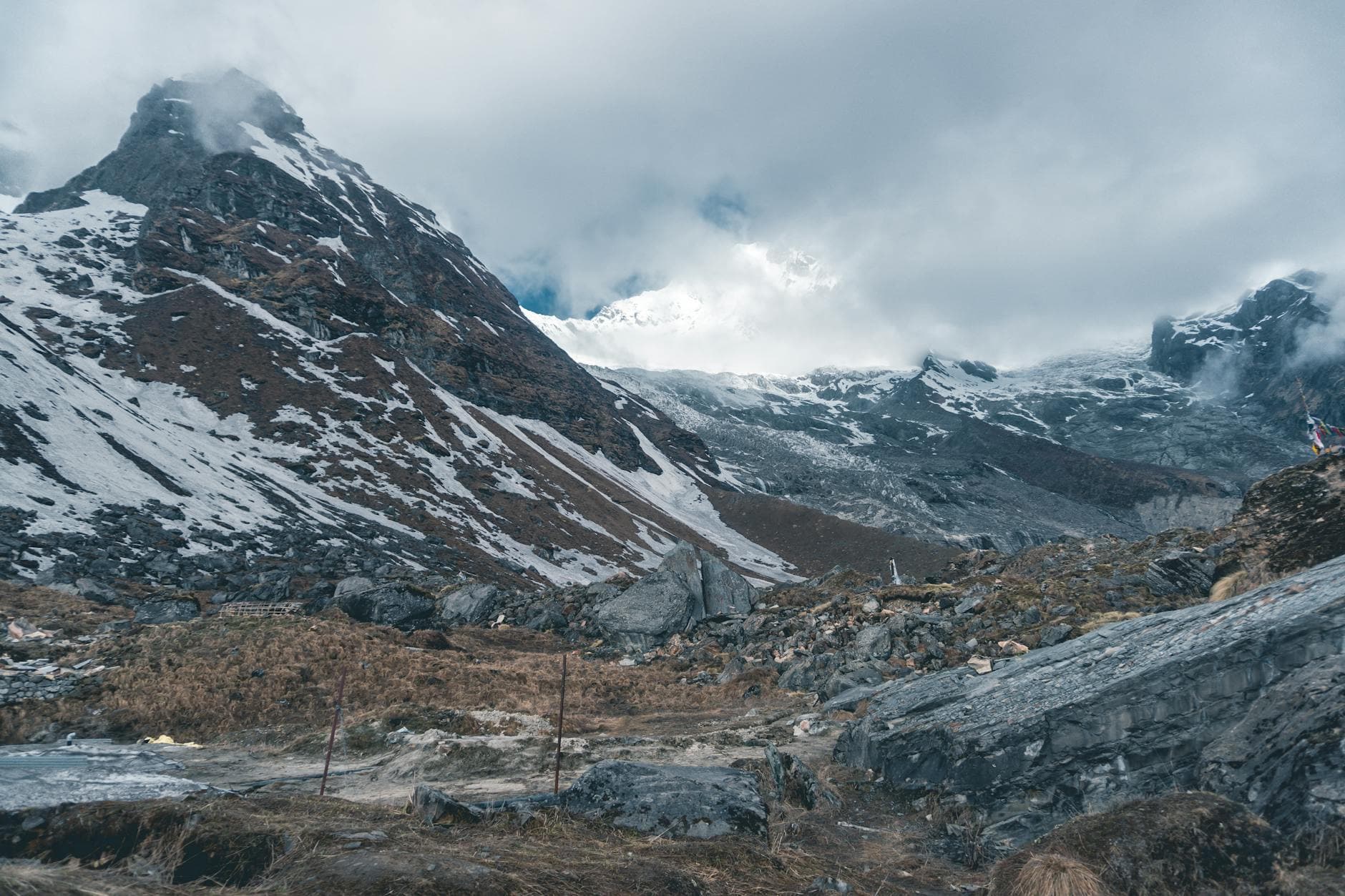
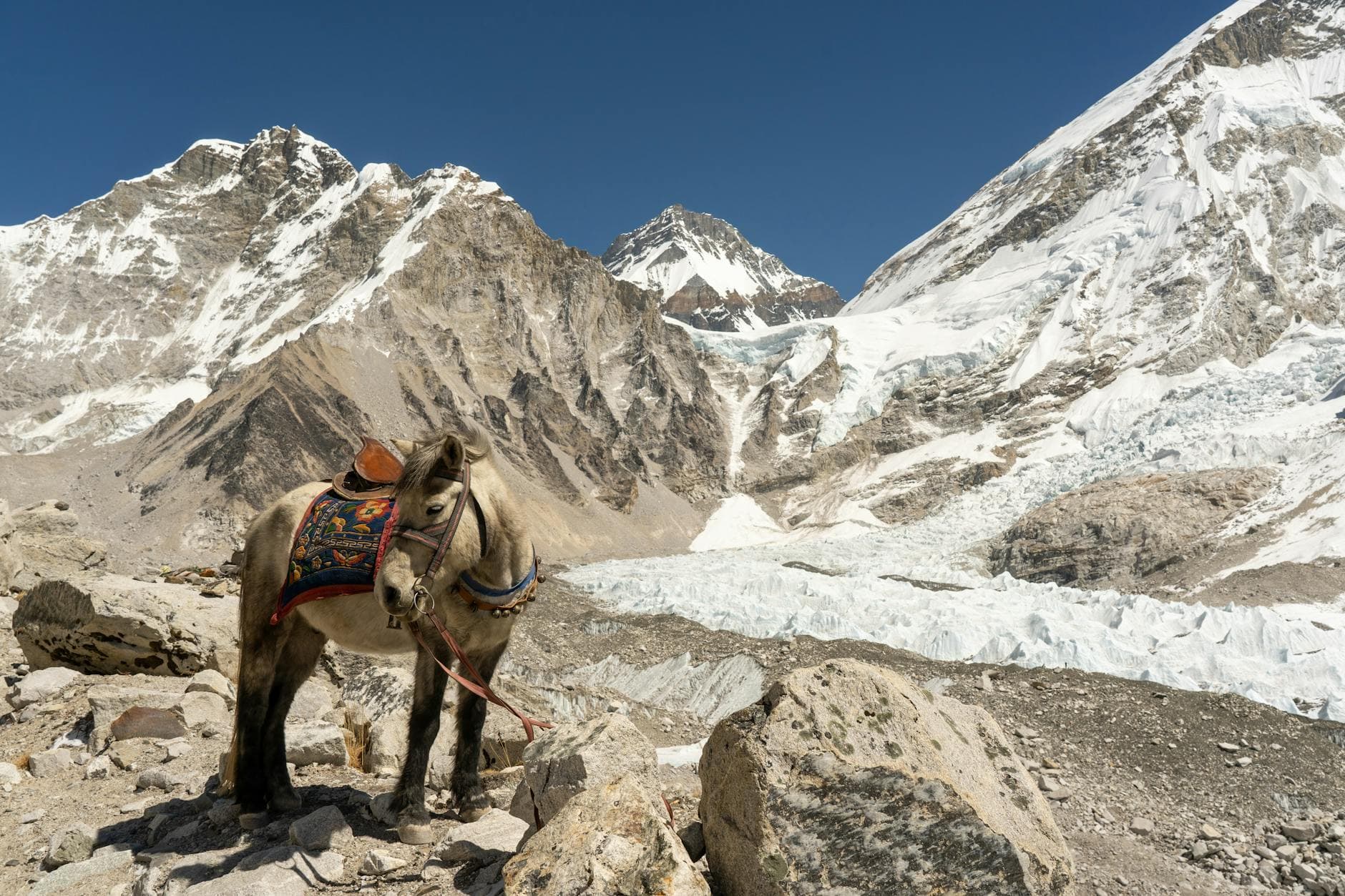
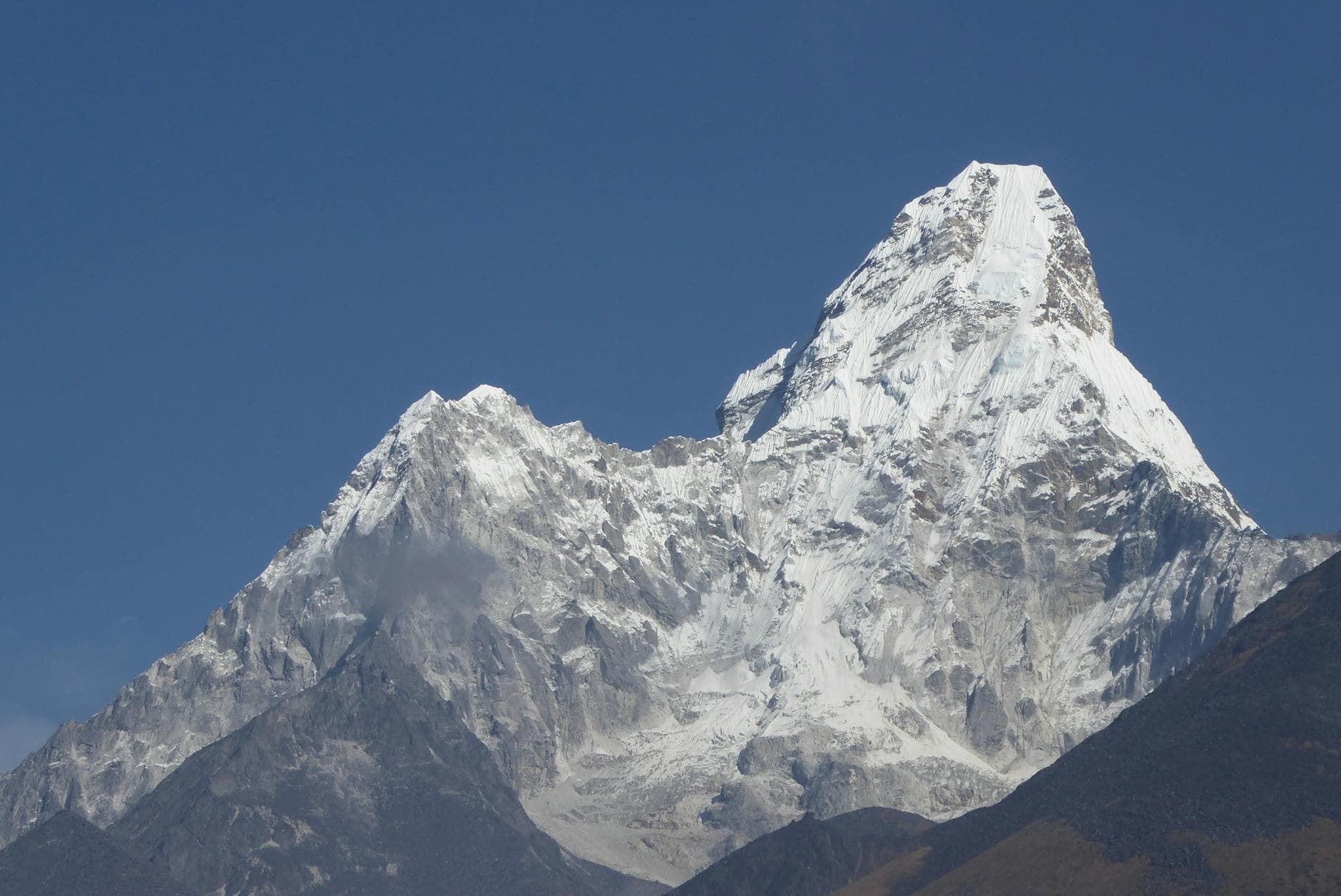
Moments from the route
Route
Route Map
Route and durations are approximate and can be customised to your schedule.
Included
What's Included
Exclusions
Not Included
Before You Go
Important Notes
- 9-day trek from Lukla to base camp.
- Shares Everest BC infrastructure: cooks, oxygen, fixed ropes on shared sections.
- Best season: Spring (April–May).
- 1:1 Sherpa-to-climber ratio throughout.
- Comprehensive travel insurance covering high-altitude climbing and emergency helicopter evacuation is mandatory — submit policy details before departure.
- Permits: Climbing permit from NMA (Nepal Mountaineering Association) or DoT (Department of Tourism), plus applicable park permits — all arranged by TempleFront.
Frequently Asked
Frequently Asked Questions
Is this a private expedition?
Yes — TempleFront expeditions are run exclusively for your team. We never combine you with other clients.
What experience is required?
Previous summits at 7,000–8,000 m are required. The Lhotse Face is one of the largest and most demanding high-altitude ice faces in the world; your expedition CV will be reviewed during the booking process.
How does Lhotse differ from an Everest expedition?
Lhotse shares the same Khumbu Icefall, Western Cwm, and base camp as the Everest South Col route, but branches off up the Lhotse Face — a direct, steep ice face — rather than continuing to the South Col. It is considerably less crowded than Everest while offering equal or greater technical challenge.
What infrastructure is shared with Everest expeditions?
Everest and Lhotse expeditions share the same base camp at 5,200 m, the same Khumbu Icefall crossing to Camp 1, and the same Western Cwm up to Camp 2 at 6,400 m. From Camp 2 the routes diverge — Lhotse turns directly up the Lhotse Face. Shared infrastructure means excellent logistics, cooks, and fixed ropes on the lower sections.
How much supplemental oxygen is provided?
All clients receive supplemental oxygen from Camp 3 (~7,300 m) upward, with dedicated bottles for the summit push. Precise flow rates are briefed at base camp.
Is insurance mandatory?
Yes — comprehensive insurance covering high-altitude climbing and emergency helicopter evacuation is mandatory. Submit policy details before departure.
How far in advance should I book?
Spring Lhotse permits are in high demand. We recommend contacting us at least 12 months before your target season to secure permits and Sherpa availability.
How do I enquire?
Send us a WhatsApp or email with your climbing CV and target season. We respond same day and begin the permit application process.
Keep exploring
Travellers who like this also explore
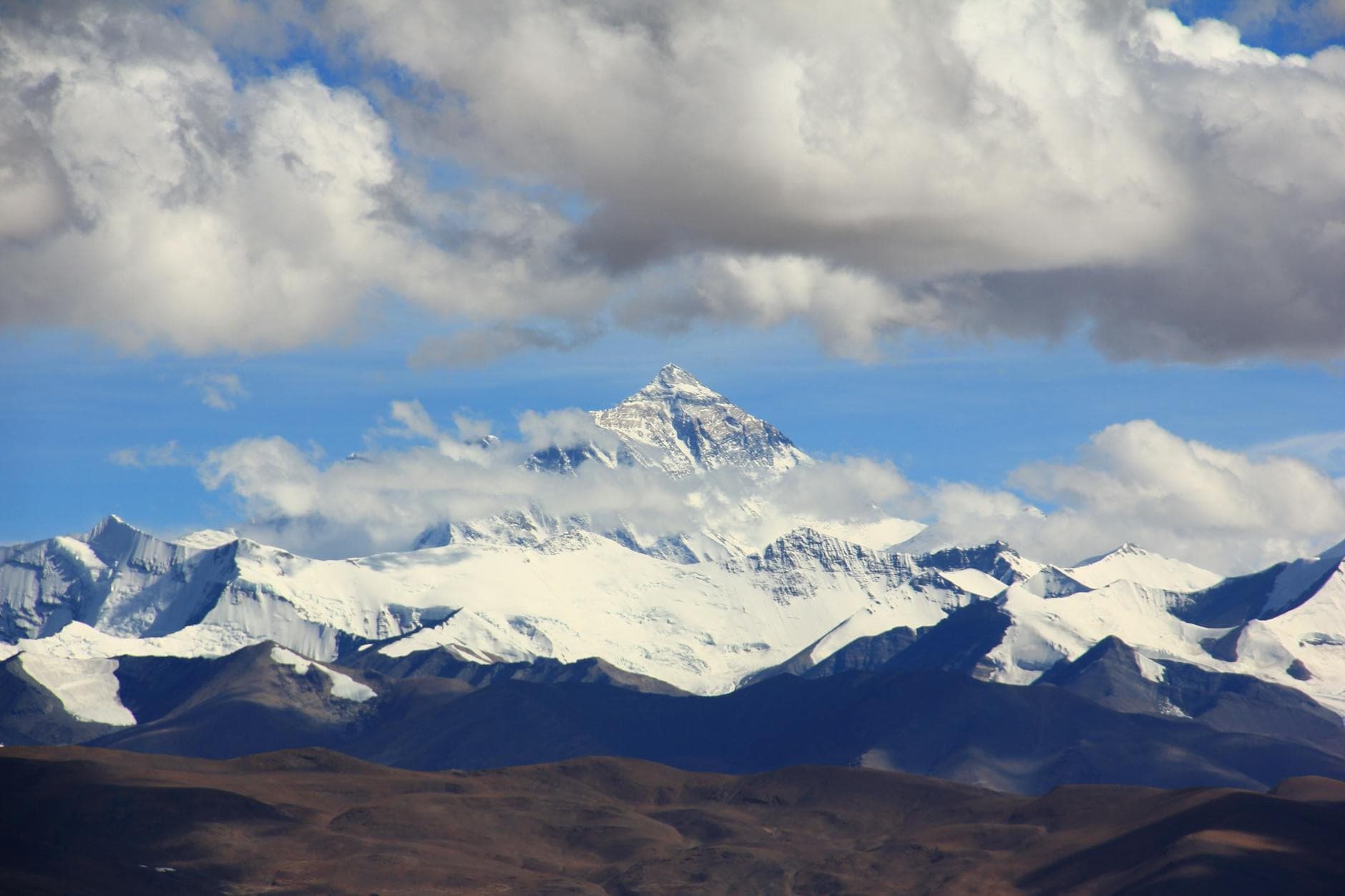
Mount Everest Expedition (North Face, Tibet)
The original route — Mallory's ridge from the Tibetan plateau to the top of the world.
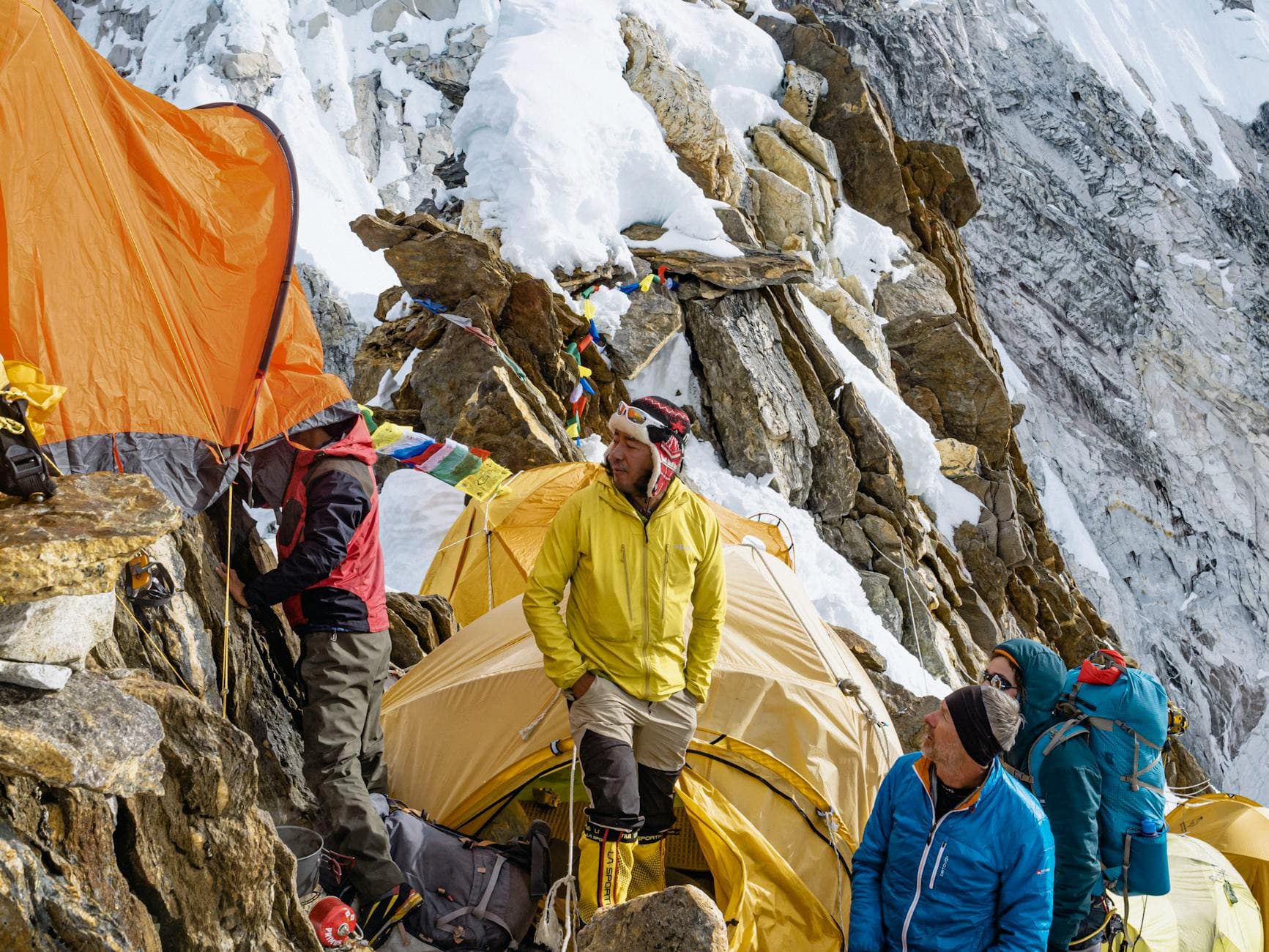
Mount Everest Expedition (South Col)
The South Col route — the classic line to the top of the world from Nepal.
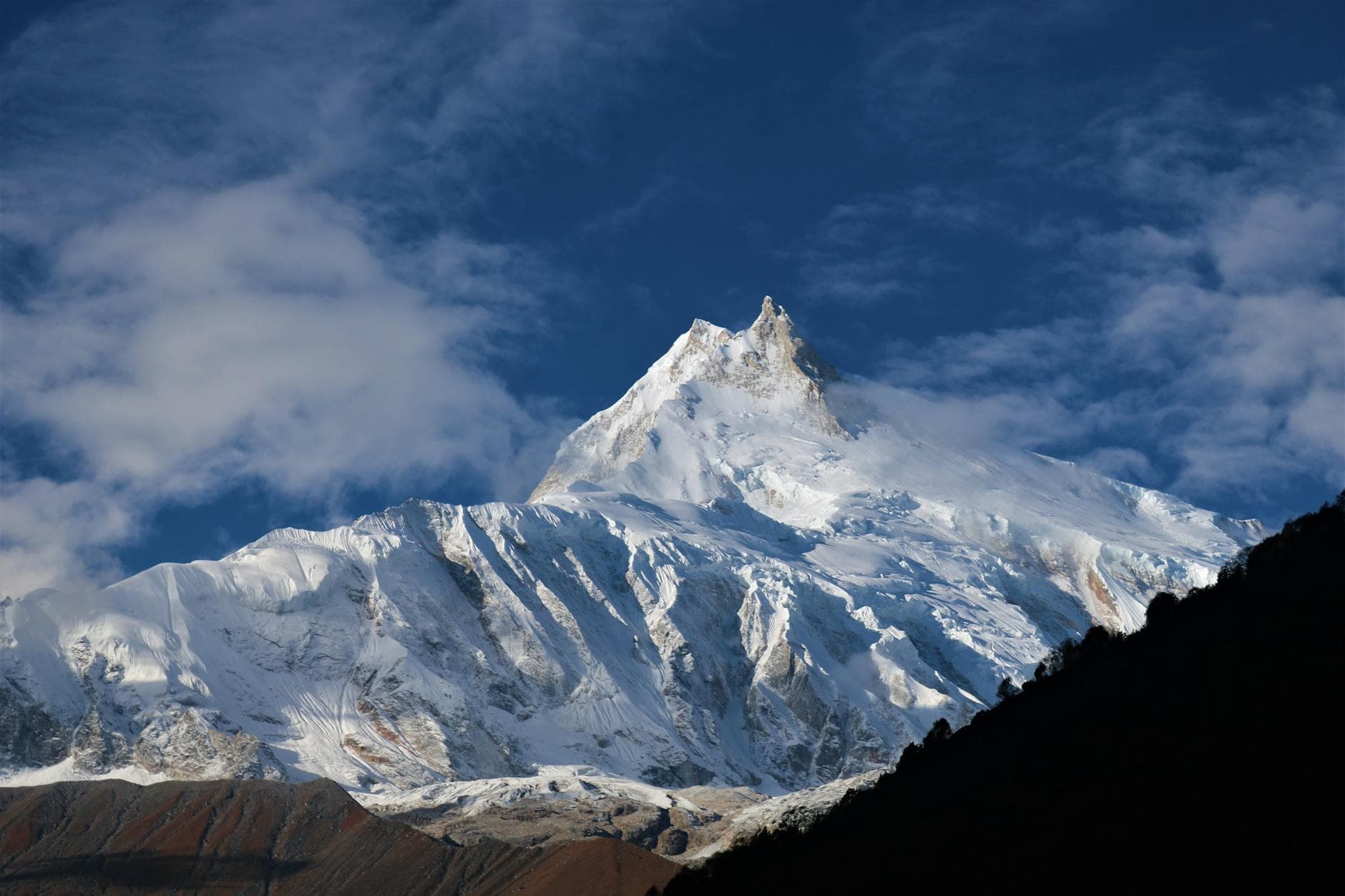
Manaslu Climbing Expedition
The eighth-highest mountain in the world — a technically demanding and deeply rewarding ascent.
Ready?
Ready to plan your trip?
Every tour is private and fully customisable. Drop us a message and we'll build the perfect itinerary for your group.