We run both circuits every season. That matters, because most agencies only operate one and quietly steer you toward it. Here is the honest comparison instead — the kind we'd give a cousin who asked which one to do first. Both are two-week Himalayan circuits, both cross a serious high pass, and both are among the finest treks on earth. But they are not the same experience, and the right choice depends entirely on who you are and what you're after.
The snapshot
How each one actually feels
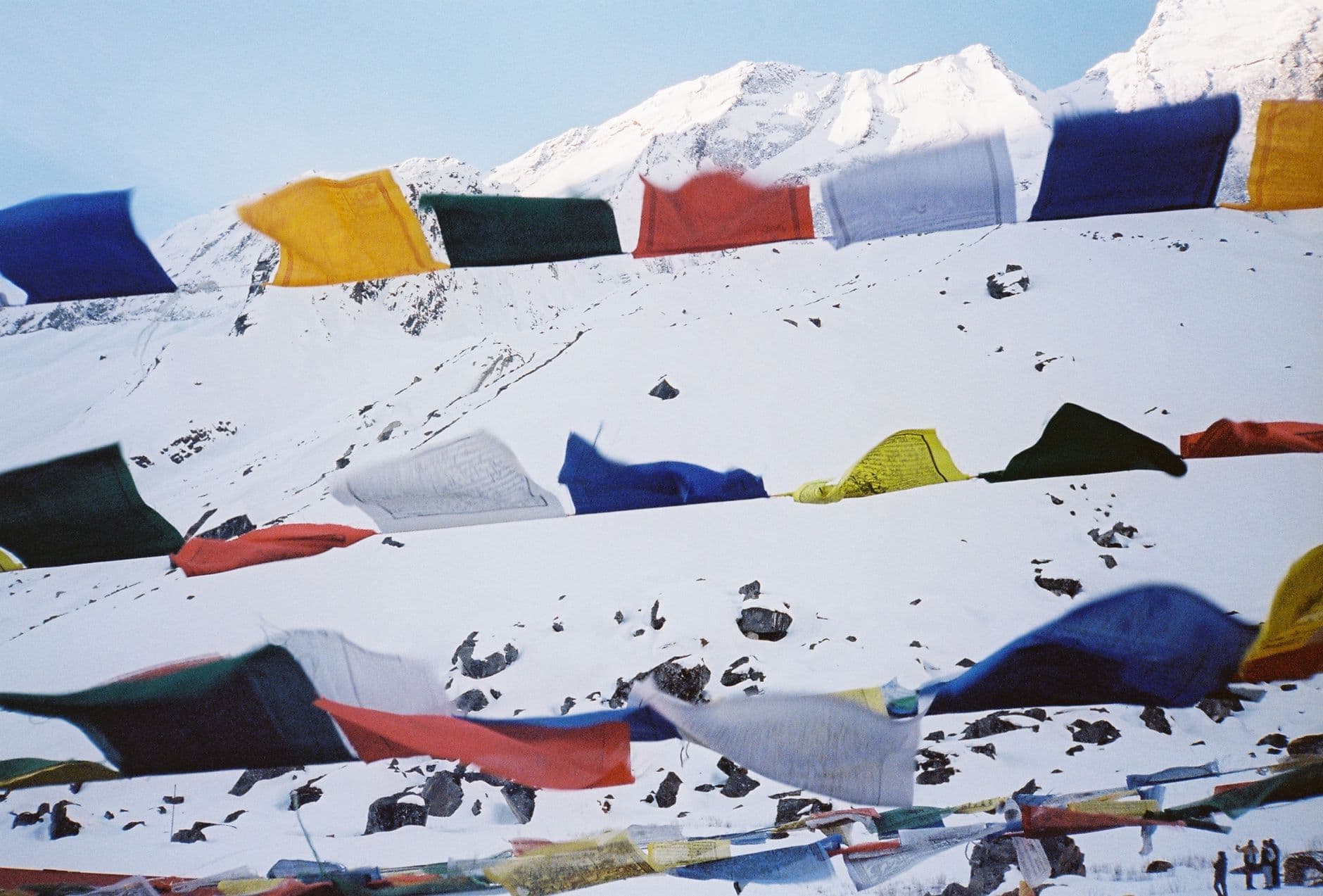
Numbers don't capture the difference, so let us describe it the way returning trekkers do. Manaslu feels like Nepal twenty years ago. The trail is quiet — you can walk for hours without passing another foreigner. The villages up the Budhi Gandaki are small and strongly Tibetan-Buddhist, prayer flags and mani walls everywhere, and some of the teahouses don't really have a menu so much as whatever the family is cooking that evening. The rooms are simple, the showers are often cold or absent, and that rough edge is precisely the charm — you feel like a traveller, not a customer.
Annapurna feels like a well-oiled machine, in the best sense. Decades of popularity have built real comfort into the trail: hot showers in most villages, proper bakeries and coffee in Manang, varied menus, even Wi-Fi most of the way up to Thorong Phedi. You'll share dining rooms with trekkers from all over the world and swap stories over dal bhat every night. It is more comfortable and more sociable — and a little less wild — than Manaslu. Neither is better. They simply answer different questions about what you want a trek to be.
Difficulty and altitude
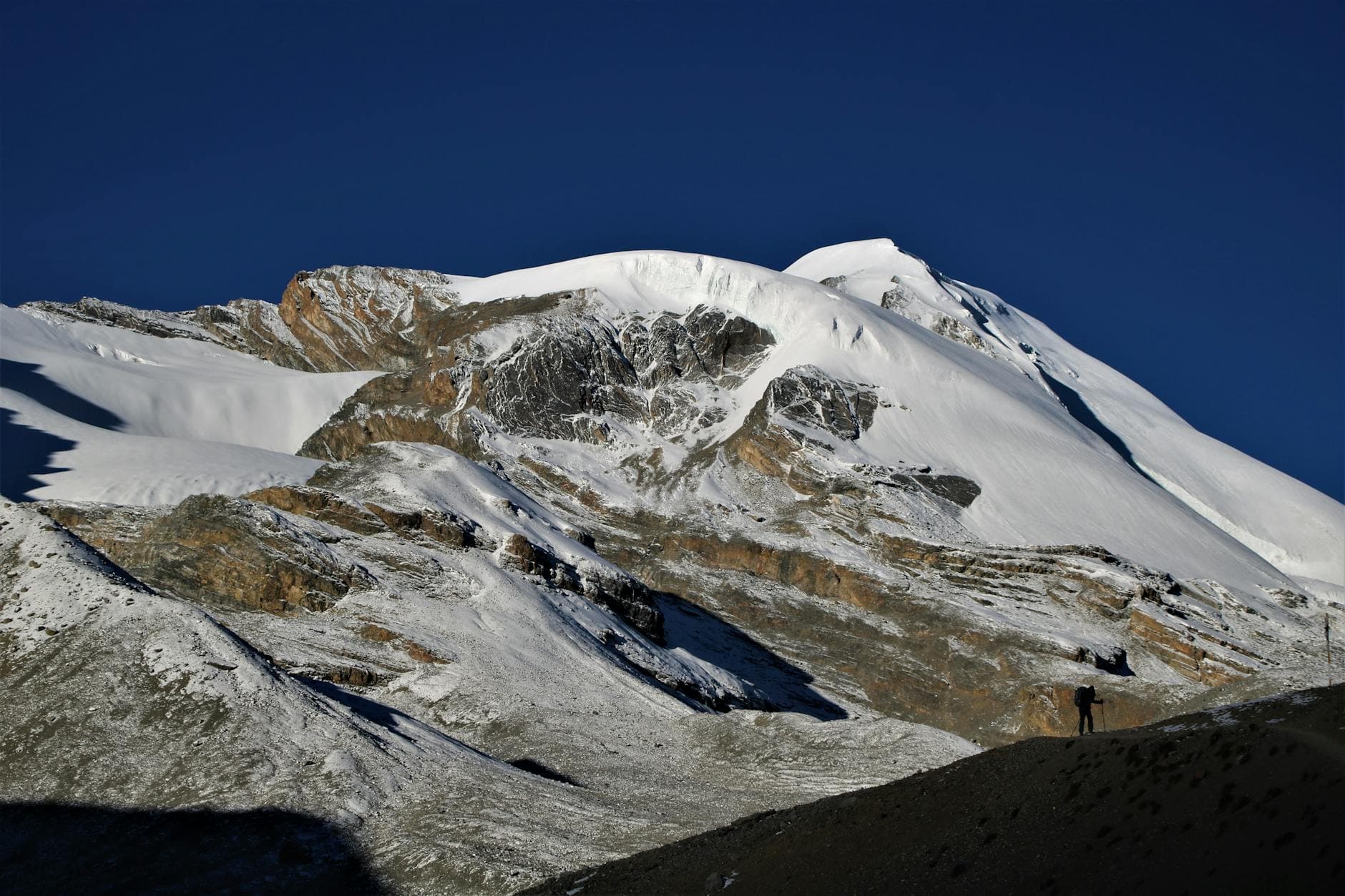
On paper, Annapurna's Thorong La (5,416m) is the higher pass, and pass day there is long and demanding — many groups leave high camp before dawn to cross before the wind picks up. But the Annapurna Circuit's gradual, well-graded ascent through Manang gives you excellent natural acclimatisation, with a near-mandatory rest day at Manang built into every sensible itinerary. Manaslu's Larkya La is a little lower at 5,160m, but the trail is rougher underfoot, the daily distances can be harder, and the remoteness means less margin for error if something goes wrong. We'd call Manaslu the tougher of the two overall — not because of raw altitude, but because of terrain and isolation. Neither is technical; both demand fitness, sensible pacing and respect for the altitude.
The best day on each
Ask our guides for the single day they'd want a first-timer to experience, and the answers come quickly.
Manaslu — walking into Samagaon
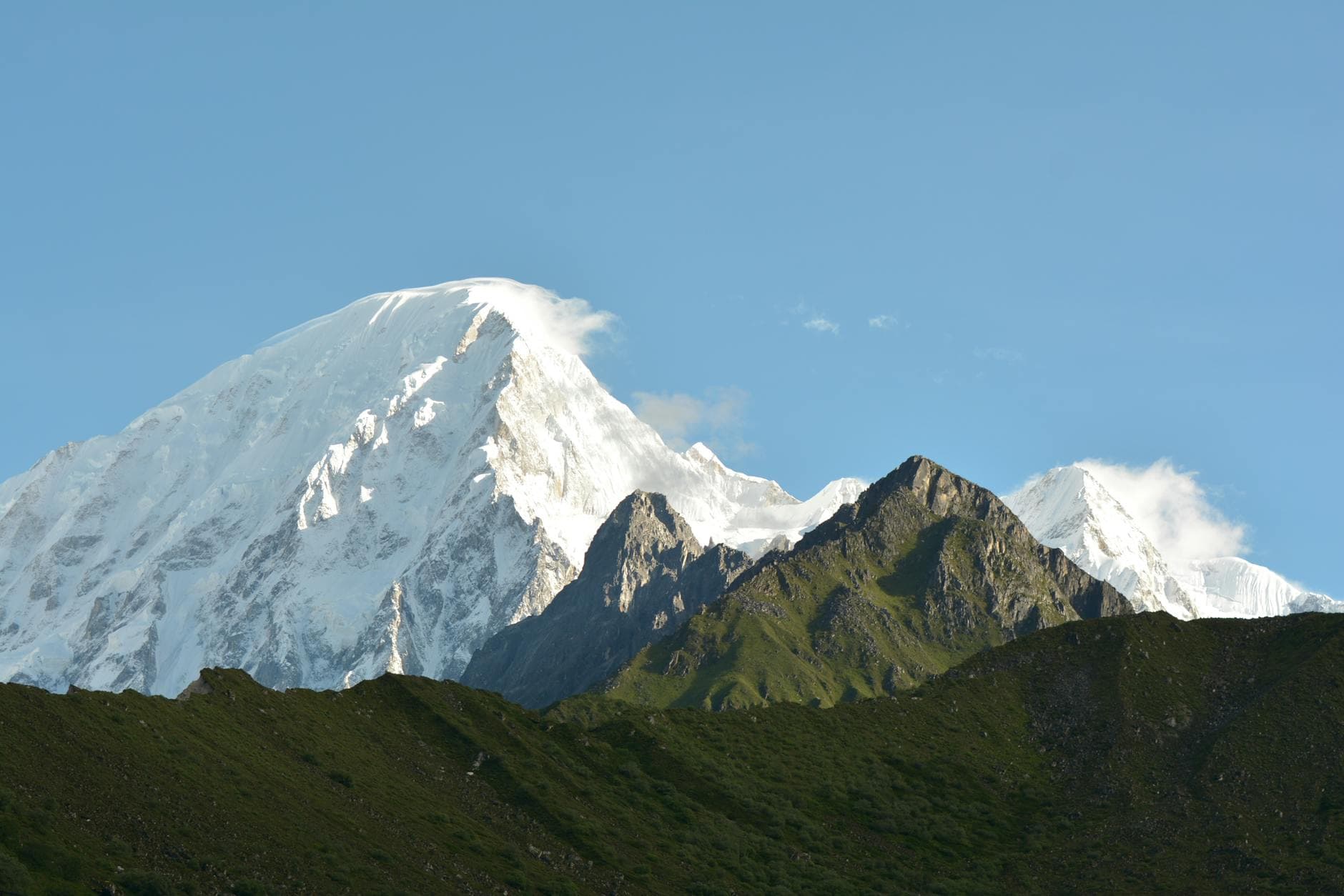
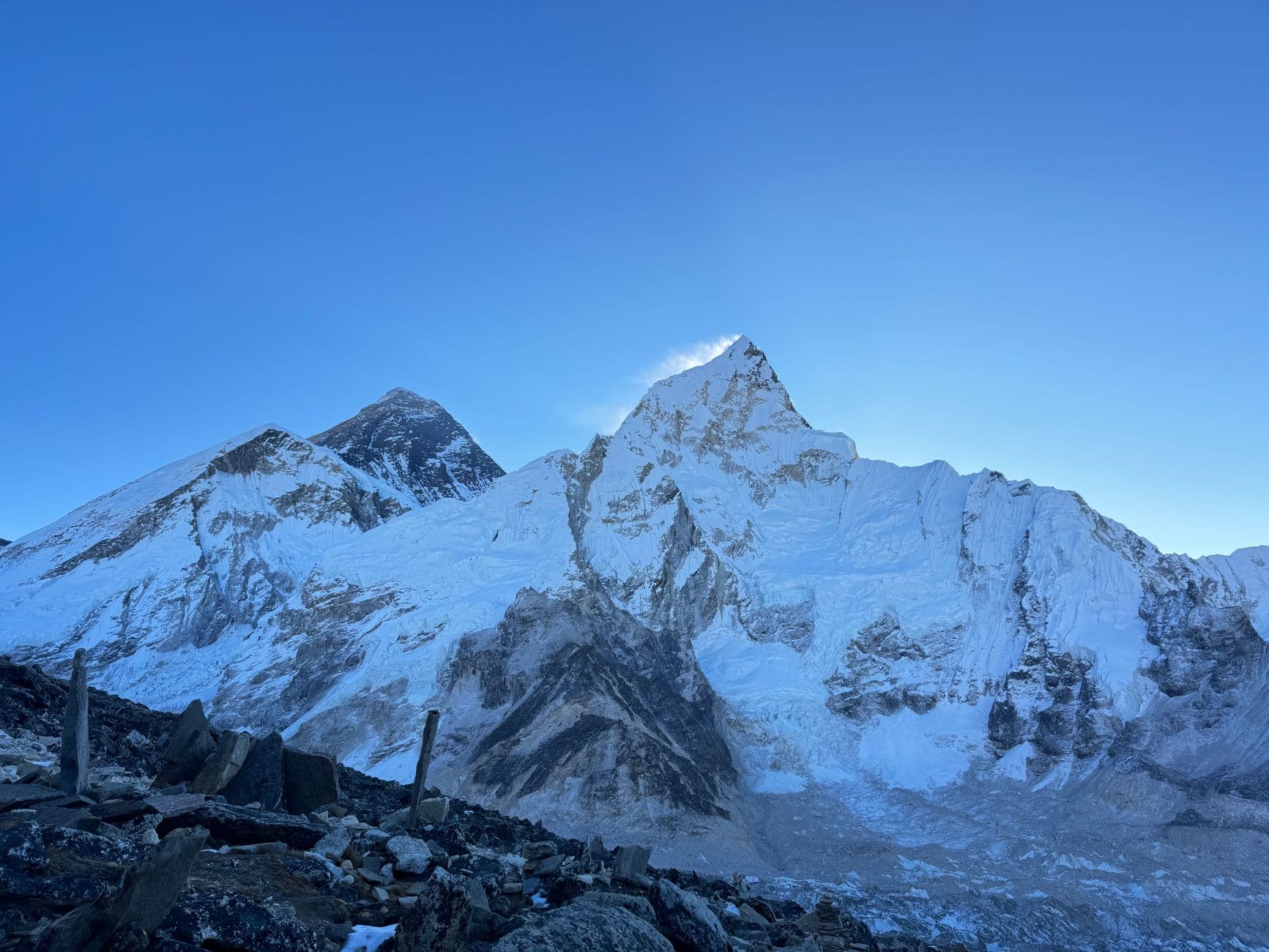
Somewhere in the upper Nubri valley the trees fall away and the valley opens, and Manaslu — the eighth-highest mountain on earth at 8,163m — stands at the head of it, enormous and close. The day into Samagaon, with the old monastery and the side-trip toward Manaslu Base Camp or the turquoise Birendra Lake, is the one that makes people stop and just look. It's also where the Tibetan culture of the valley is at its richest — monks, butter tea, a way of life that tourism has barely touched.
Annapurna — Chame to Upper Pisang
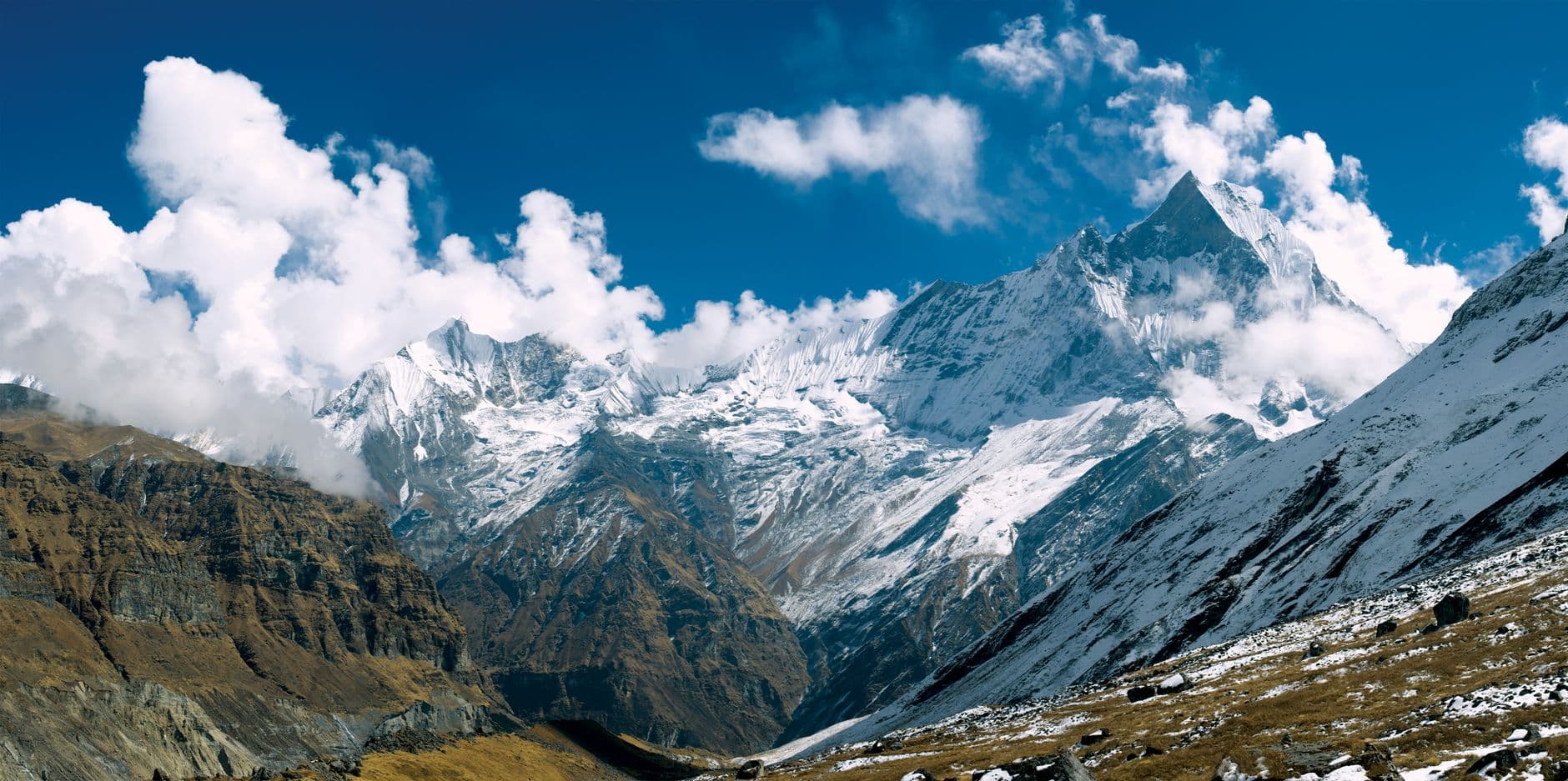
On the Annapurna Circuit, the day from Chame to Upper Pisang is the one people remember. You walk out of pine forest and, over the course of a single day, the whole landscape changes — green and wooded in the morning, dry and Tibetan-looking by afternoon, with the great rock face of Paungda Danda rising beside you. The view from the Upper Pisang monastery at sunset, with Annapurna II catching the last light, is one of the finest in Nepal. That's the day most trekkers realise the circuit is something special.
Permits and cost — the honest numbers
This is where the two genuinely diverge, and where your budget may make the decision for you. The Annapurna Circuit needs the ACAP (Annapurna Conservation Area Permit) and a TIMS card — both straightforward and inexpensive, and you can in principle trek it without a guide (though we'd still recommend one). The Manaslu Circuit runs through a government-restricted area, and that changes everything: it requires a Restricted Area Permit on top of the Manaslu and Annapurna conservation permits, you must trek with a licensed guide, and solo trekking is simply not allowed.
The restricted-area permit is charged per person for a set number of days, and it's seasonal — higher in the autumn and spring peaks, lower in the off months — which is why a Manaslu trek costs meaningfully more than Annapurna once you add permits and the mandatory guide. The exact fee is set by the government and changes from time to time, so rather than print a number here that may be stale by the time you read it, we confirm the current rate with your quote. The honest summary: Annapurna is the budget-friendlier choice; Manaslu costs more, and most of that difference is the permits and the guide. For many trekkers, that extra cost is exactly what buys the solitude — you're paying for the empty trail.
Crowds and atmosphere
The Annapurna Circuit is the social trek. You'll share the trail and the teahouse dining rooms with trekkers from all over the world, swap stories over dal bhat, and rarely feel alone. For first-timers, that camaraderie is reassuring and genuinely part of the fun — and if anything goes wrong, there are people and lodges all around you. Manaslu is the opposite: quiet villages, long stretches where you meet almost no one, and an atmosphere closer to how Annapurna felt decades ago. If your idea of the Himalaya is solitude and wildness, Manaslu delivers it; if you'd find empty trails lonely rather than peaceful, Annapurna is the warmer choice.
Teahouses and comfort
Years of popularity have made the Annapurna Circuit's lodges comfortable — hot showers, varied menus, attached bathrooms in many villages, even bakeries and coffee in places like Manang. Manaslu's teahouses are simpler: clean and welcoming, but expect basic rooms, shared facilities, and shorter menus, especially higher up. The standard on Manaslu has risen steadily and continues to, but if comfort matters to you, Annapurna is clearly ahead. A small honest note: on Manaslu, charging and Wi-Fi cost more and work less, so come prepared to be more disconnected — which many trekkers come to love.
Scenery and culture
The Annapurna Circuit's signature is diversity. You start in green, terraced subtropical foothills and finish in stark high desert beyond the pass, passing Hindu lowland villages and Tibetan-Buddhist highland ones, with the deep Kali Gandaki gorge and the option of Muktinath's sacred temple on the far side. It is, in a sense, a cross-section of all Nepal in two weeks.
Manaslu's signature is intensity and authenticity. The trail follows the Budhi Gandaki river up into the Nubri valley, where the culture is strongly Tibetan and far less touched by tourism, all under the towering eighth-highest mountain on earth (Manaslu, 8,163m). The nearby Tsum Valley, a hidden Buddhist sanctuary, can be added for those with more time. Where Annapurna shows you variety, Manaslu shows you depth.
Best season for each
Both treks share the same prime windows: October–November for the clearest, most stable autumn weather, and March–May for spring, when the rhododendron forests on the lower trails are in bloom. Avoid the monsoon (June–September) on both — though Manaslu's higher, drier upper sections fare a little better in a wet year than Annapurna's. Winter is possible on the lower Annapurna sections but the high passes on either route can be snowbound and dangerous from December to February, and the Larkya La in particular is no place to be in deep snow.
So, which one?
Choose Annapurna if…
- This is your first major Himalayan trek.
- You want comfortable teahouses, hot showers and a varied menu.
- You value company on the trail and a social atmosphere.
- You want maximum scenic and cultural variety in one circuit.
- Budget matters — the permits are cheaper and there's no mandatory guide fee.
- You’d like the option to add Muktinath’s sacred temple at the far end.
Choose Manaslu if…
- You’ve trekked at altitude before and want something wilder.
- Solitude and untouched culture matter more to you than comfort.
- You don’t mind basic teahouses and a rougher trail.
- You’re comfortable with the higher permit cost and mandatory guide (we handle both).
- You want a trail that feels the way the Himalaya did a generation ago.
Do both if…
You have three weeks or more and want the complete Nepal trekking education. Many seasoned trekkers do Annapurna first to fall in love with the country, then return for Manaslu to go deeper. If that's you, space them across two trips or two seasons — back-to-back is a lot of high-pass walking on tired legs, and the Larkya La deserves fresh ones.
Annapurna shows you all of Nepal in two weeks. Manaslu shows you one valley, completely. Neither is better — they answer different questions.
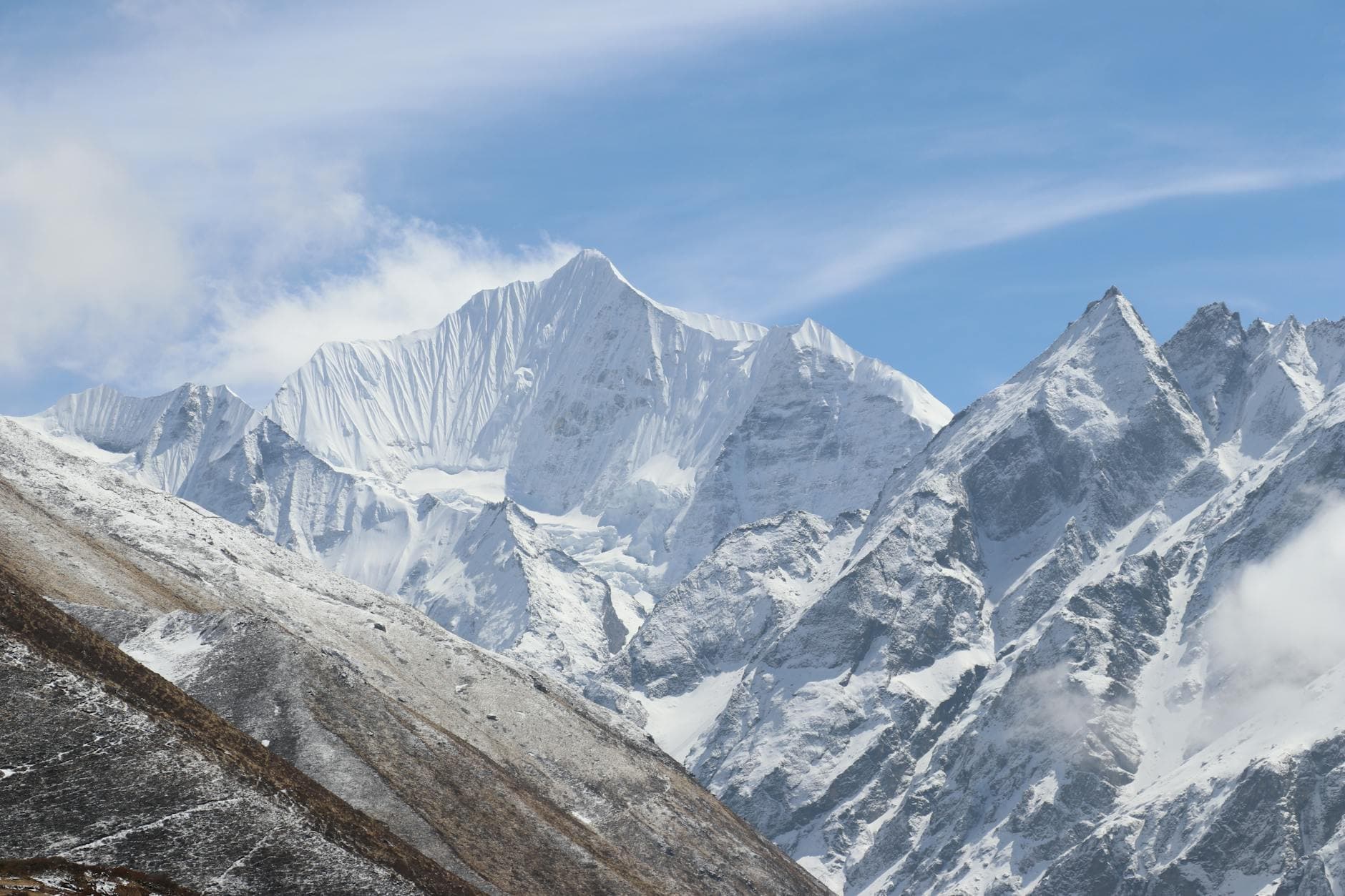
Still torn? If you'd like a quieter, shorter alternative to both — a week rather than a fortnight, close to Kathmandu — the Langtang Valley is the gentle third option, with Tibetan villages and big mountain views without a 5,000-metre pass. Tell our Concierge your experience level, how many days you have, and whether you lean toward comfort or wildness, and we'll point you to the right trail honestly.