Everest gets the fame, but if a first-timer asks us which trek to do, we very often say Annapurna Base Camp. It is shorter, it is gentler on the body, it is spectacular in a completely different way — instead of walking toward one giant, you walk into a ring of them — and it can be paired with the most famous sunrise in Nepal. Here is the honest, complete guide, the way we would explain it to family over tea.
What makes this trek special
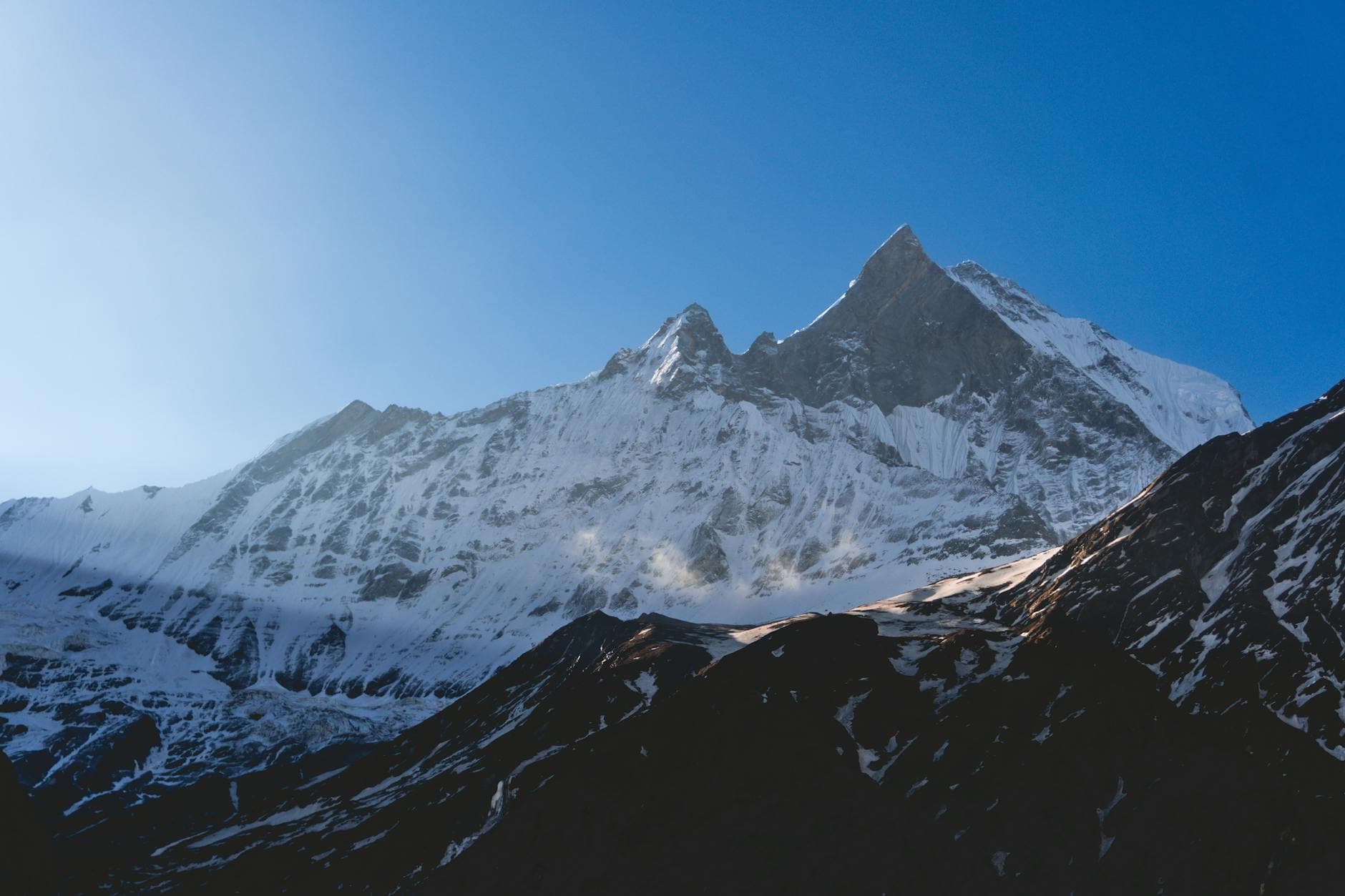
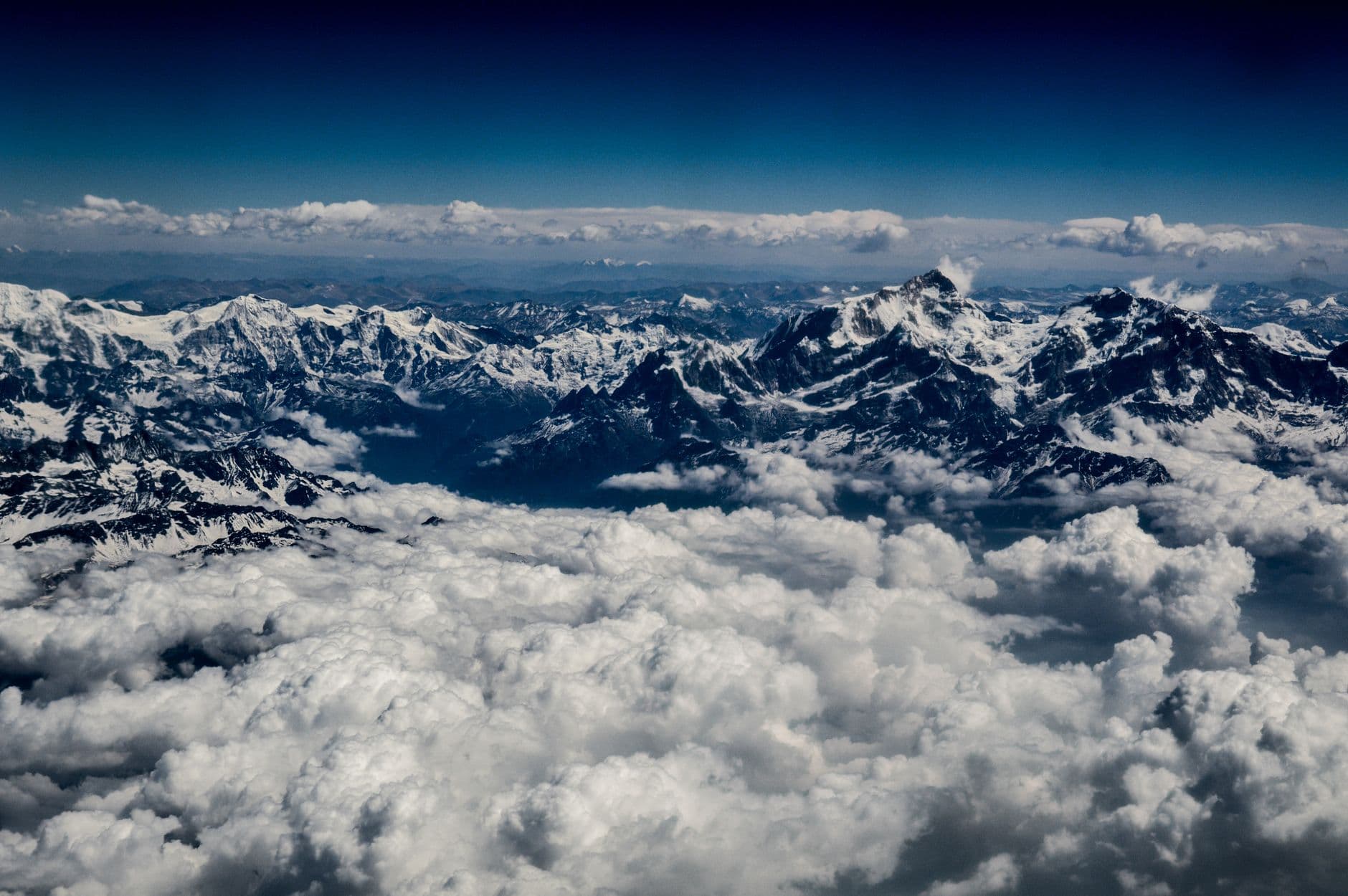
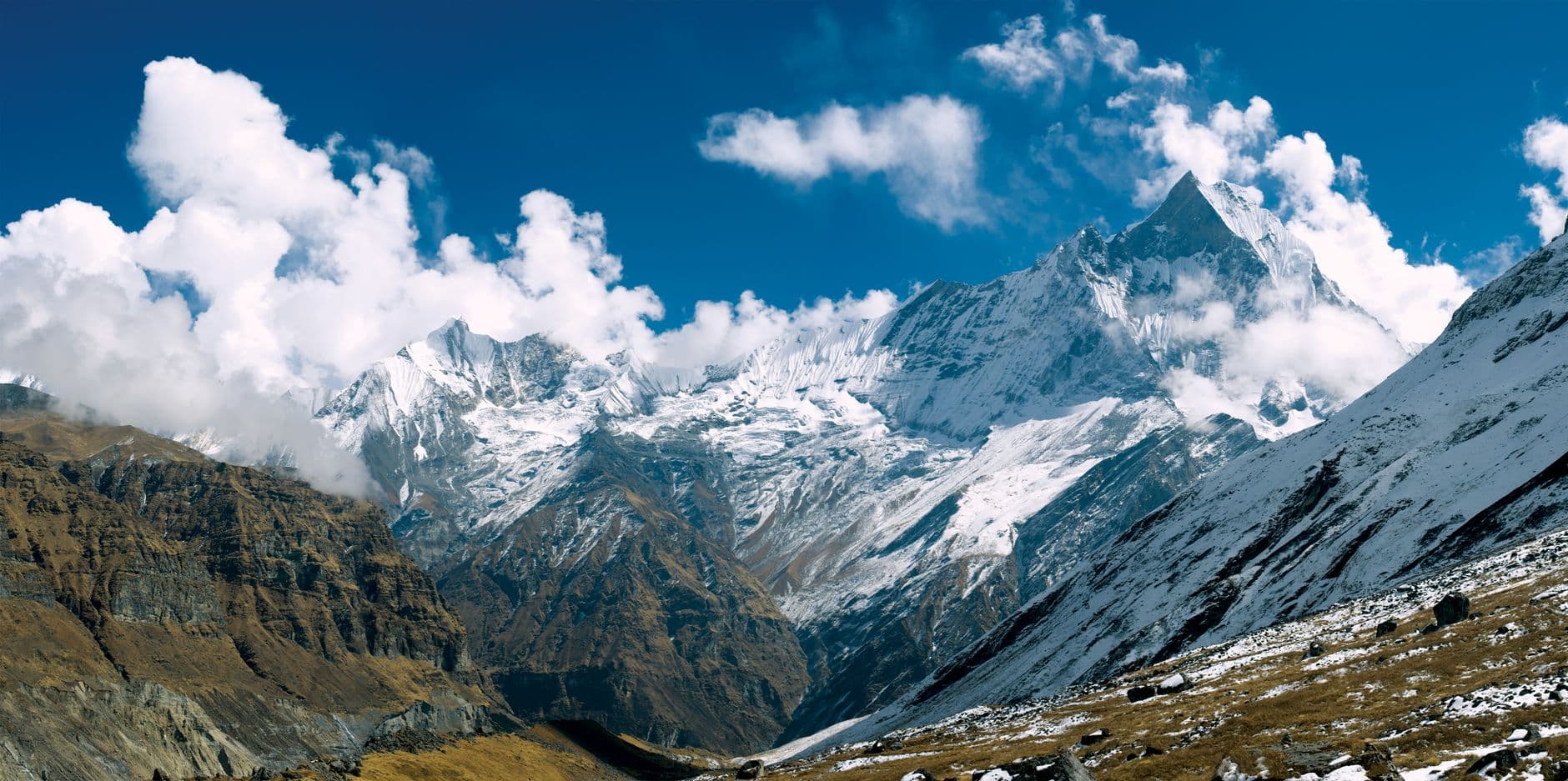
Annapurna Base Camp — often just called ABC — sits at 4,130 metres inside a place called the Annapurna Sanctuary, a high glacial amphitheatre almost completely encircled by peaks. You stand in the middle and turn a full circle: Annapurna I (8,091m, the tenth-highest mountain on earth), Annapurna South, Hiunchuli, and the beautiful, sacred, unclimbed spire of Machhapuchhre — the “Fish Tail” — all rising around you. There are few places on the planet where big mountains stand so close on every side. Sunrise here, with the first light hitting the whole ring at once, is the moment people remember for the rest of their lives.
The other reason we love it: the walk up is a journey through the whole of middle Nepal. You start in terraced farmland and warm villages of the Gurung and Magar people, climb through some of the most beautiful rhododendron and bamboo forest in the country, and finish among glaciers. In a single week you pass through nearly every landscape Nepal has.
Add Poon Hill — you should
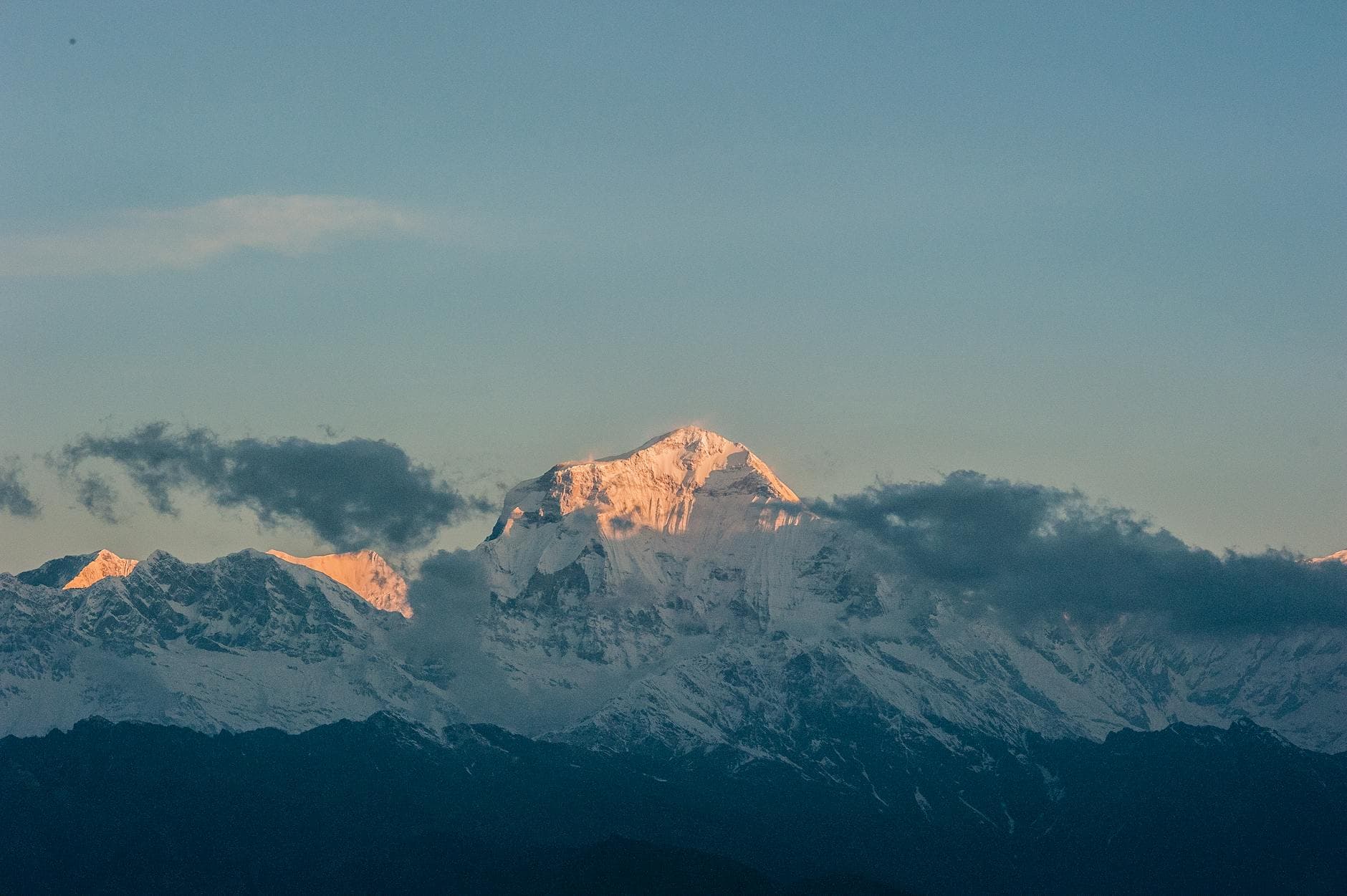
Most of our guests do ABC via Ghorepani and Poon Hill, and we almost always recommend it. Poon Hill (3,210m) is a grassy summit you climb in the dark to catch sunrise over an enormous sweep of peaks — Dhaulagiri, the Annapurnas, Machhapuchhre, and on a clear morning as far as Manaslu. It is the single most famous viewpoint in Nepal for good reason, and folding it into the ABC route adds only a couple of days while dramatically improving your acclimatisation and your photographs. If you are short on time, Poon Hill on its own is also a wonderful short trek — four or five easy days, suitable for families and first-timers who are not sure they want a longer commitment.
How hard is it?
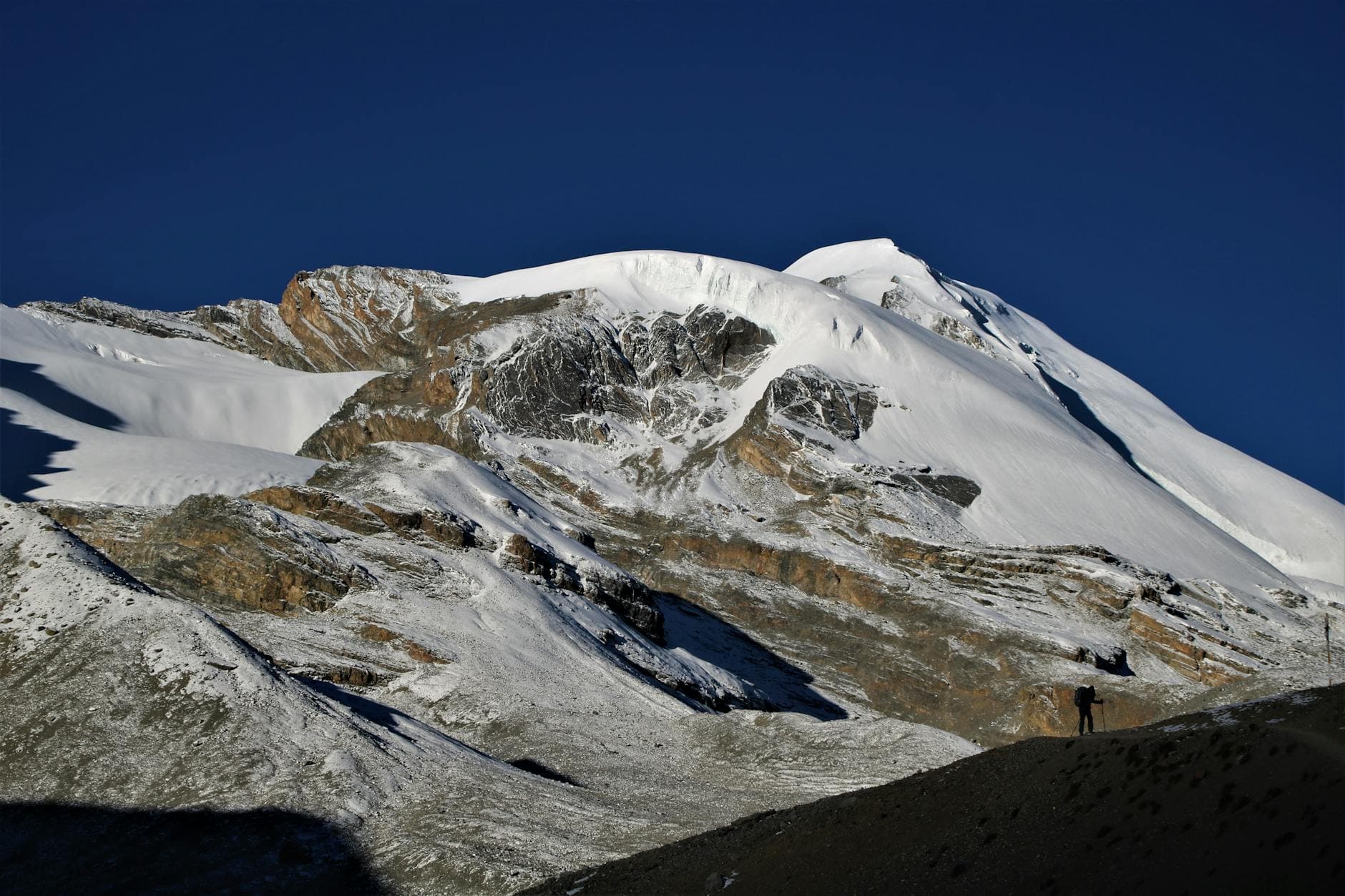
ABC is a moderate trek — genuinely more accessible than Everest Base Camp. The top altitude of 4,130m is high enough to demand respect but low enough that serious altitude sickness is much less common than on the Everest route, and because you gain height more gradually the acclimatisation is kinder. There is no technical ground anywhere.
The honest challenge of ABC is stairs. Nepal’s hill trails are built as long stone staircases, and stretches like the climb to Ulleri are thousands of steps in one go. Your legs will know about it. If you train on hills and stairs beforehand — not just flat ground — you will enjoy the trek far more. You will walk roughly five to six hours most days.
People underestimate the descent. Coming down all those stone steps day after day is harder on the knees than going up. Trekking poles are not optional gear on this trail — bring them, and thank us later.
A realistic itinerary
The classic ABC-via-Poon Hill route runs around 10 days from Pokhara and back, though it can be compressed or extended. A sensible version looks like this:
- Day 1 — Drive from Pokhara to the trailhead; trek to Tikhedhunga or Ulleri.
- Day 2 — Climb the famous stone staircase to Ghorepani (2,874m) through rhododendron forest.
- Day 3 — Pre-dawn climb to Poon Hill (3,210m) for sunrise, then trek on to Tadapani.
- Day 4 — Trek through forest to Chhomrong, the gateway village to the Sanctuary.
- Day 5 — Descend and climb to Bamboo/Dovan; the valley narrows and steepens.
- Day 6 — Trek to Machhapuchhre Base Camp (3,700m), then on to Annapurna Base Camp (4,130m). Arrive in the afternoon; sunset and sunrise here are the heart of the trek.
- Day 7 — Sunrise at ABC, then a long descent back to Bamboo or Sinuwa.
- Days 8–9 — Continue down to Jhinu Danda — where the natural hot springs by the river are a well-earned reward — and out to the road.
- Day 10 — Drive back to Pokhara.
Shorter direct-to-ABC itineraries skip Poon Hill and save two or three days; we will happily plan whichever fits your time.
Best time to trek
Same two golden windows as everywhere in Nepal: autumn (October–November) for the clearest, most stable skies — October is the finest month of the year here — and spring (March–May), when the rhododendron forests on the Poon Hill side burst into red and pink and the whole lower trek is in bloom. The summer monsoon brings cloud, slippery trails and leeches in the forest sections, and there is a small avalanche risk on the final stretch into the Sanctuary after heavy snow, so we watch conditions carefully in the shoulder months and adjust when needed. Winter is doable and quiet but cold, with snow possible on the upper trail.
What it costs — honestly
ABC is one of the better-value classic treks because it needs no flights — you start and finish from Pokhara by road. You will need the ACAP (Annapurna Conservation Area Permit) and a TIMS card, both inexpensive. An organised trek covers your guide, porter, permits, lodging and meals; independent trekkers can do it more cheaply but the current rules require a licensed guide for most, and a good guide earns their fee many times over in safety, language and the doors they open in the villages.
As always, where people overpay is by booking through a foreign agency that simply passes the trip to a Kathmandu operator and adds a margin. We are the Kathmandu operator — family-run since 1996 — so booking direct means honest, competitive pricing with no middleman markup. Send us your dates and we will quote you properly.
Who it is for
This is the trek we hand to first-timers, to fit families with older children, and to anyone who wants big-mountain drama without the altitude risk and cost of Everest. If you can climb stairs for a week and you take the pace sensibly, ABC is well within reach. Only think twice if you have a serious respiratory or heart condition — in which case talk to your doctor, and consider the shorter, lower Poon Hill trek instead, which delivers a huge amount of the reward for far less effort.
A few honest tips
If a ring of Himalayan giants at sunrise sounds like your kind of morning, come and talk to us. We have been guiding families into the Annapurna Sanctuary for three decades, and we would love to plan yours honestly, around you.