2026 is the Fire Horse Year — what many pilgrims call the Mahakumbh of Kailash, occurring once in every sixty years. In the Tibetan tradition, the Year of the Horse is the most auspicious time to walk the sacred circuit around Mount Kailash, and the spiritual merit of the Parikrama is believed to multiply manifold. Our family has guided pilgrims to Kailash for years, ever since the overland route through Nepal became the natural way for Indian devotees to reach the mountain. If you have felt the pull of Kailash, 2026 is the year. This is the longest guide we've written, because it's the journey we get asked about most — and the one where getting the details right matters most. Here is everything we tell our own pilgrims before they go.
What is the Fire Horse Year, and why 2026?
The Tibetan calendar runs on a sixty-year cycle, each year carrying one of twelve animals and one of five elements. The Year of the Horse comes around every twelve years; paired with the fire element, the Fire Horse returns only once every sixty. Both Hindu and Tibetan Buddhist traditions hold Mount Kailash — Mount Meru, the axis of the world, the abode of Lord Shiva — as the most sacred mountain on earth. And tradition holds that a single Parikrama in a Horse year carries the merit of many ordinary circuits.
The last Fire Horse Year was 1966 — a time when the route was effectively closed and foreign pilgrims could not make the journey at all. That is what makes 2026 genuinely a once-in-a-lifetime opportunity: the rare convergence of the most auspicious year with an open, well-established overland route from Kathmandu. We expect pilgrim numbers to be very high across both the spring and autumn windows. Here's the honest practical consequence of that: in an ordinary year you can sometimes join a Kailash group with six or eight weeks' notice. In a Fire Horse Year you cannot. The Tibet side has a fixed number of permits, a fixed number of guesthouse beds at Darchen and Dirapuk, and a fixed number of vehicles licensed to run the plateau — and all of them get spoken for months ahead. The pilgrims who go in 2026 are, almost without exception, the ones who decided in 2025. If you're reading this and the year is calling you, the single most useful thing you can do today is pick your window and reserve. Everything else we can sort out together.
For sixty years the Fire Horse waits. To walk the kora in this year is, in the words of the pilgrims, to gather a lifetime of merit in a single circle around the mountain.
The route — Kathmandu to Kailash, step by step
We run the yatra overland from Kathmandu, the way it has traditionally been done. This is the outline; the full day-by-day is on the tour page, but it helps to picture the shape of the journey before you commit to it.
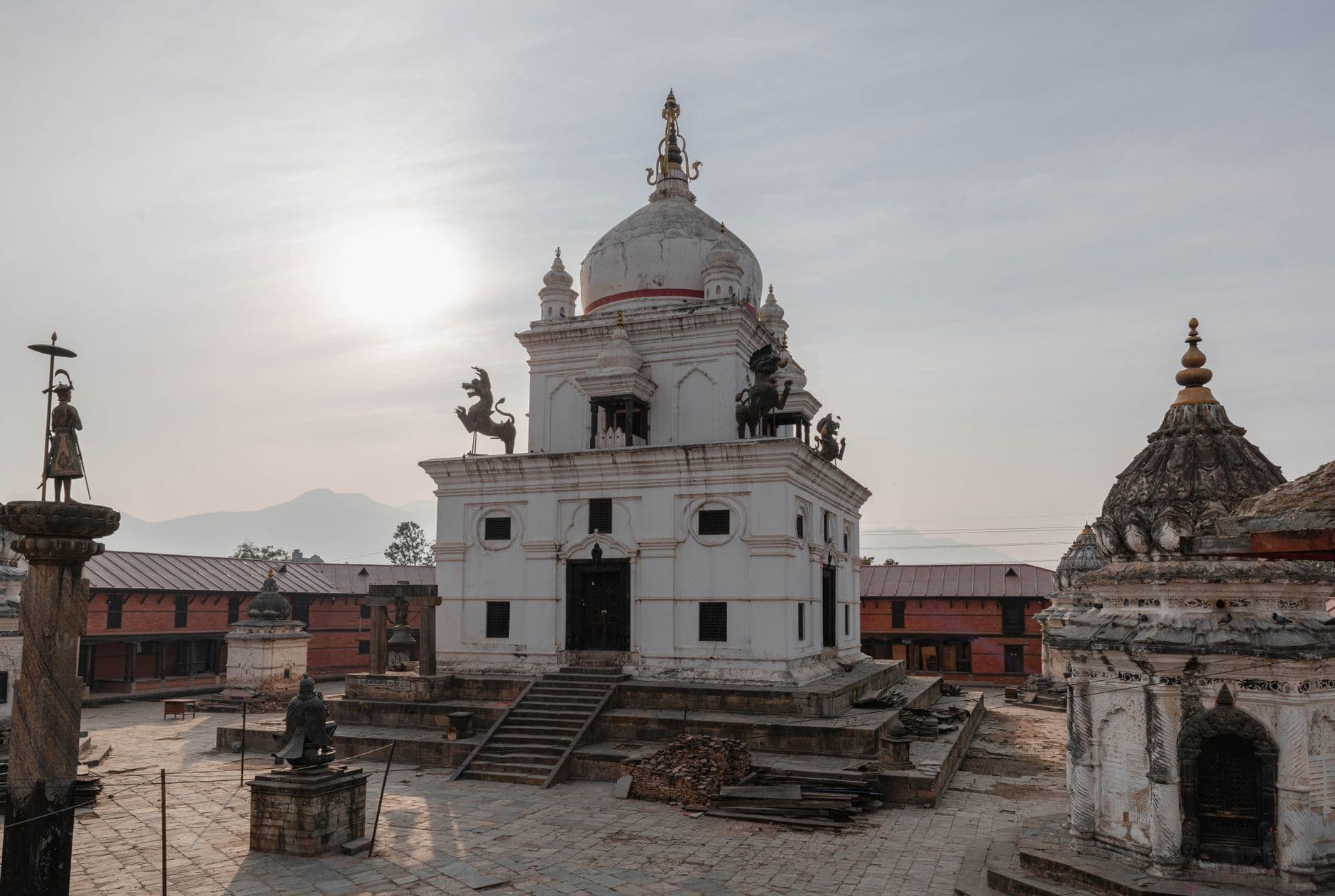
- 1.Kathmandu — arrival, Pashupatinath darshan, and a briefing. Tradition holds that Pashupatinath, the great Shiva temple, should be visited before Kailash.
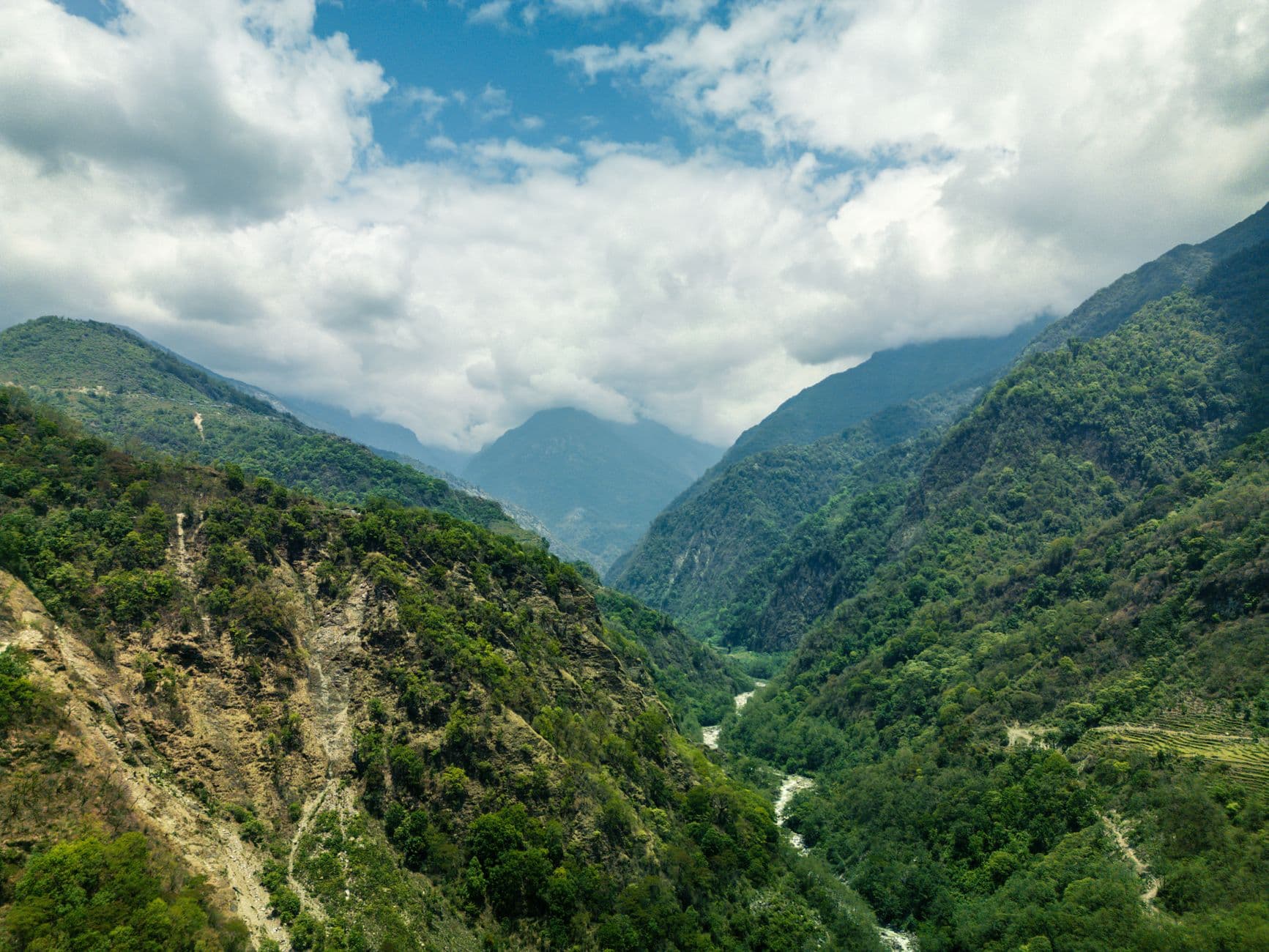
- 2.Kathmandu to the Kerung (Gyirong) border — a full driving day through the Nepali hills to the Tibetan frontier, where immigration and the group visa are processed.
- 3.Kerung to Saga — climbing onto the Tibetan plateau, gaining altitude steadily. A planned acclimatisation rhythm starts here.
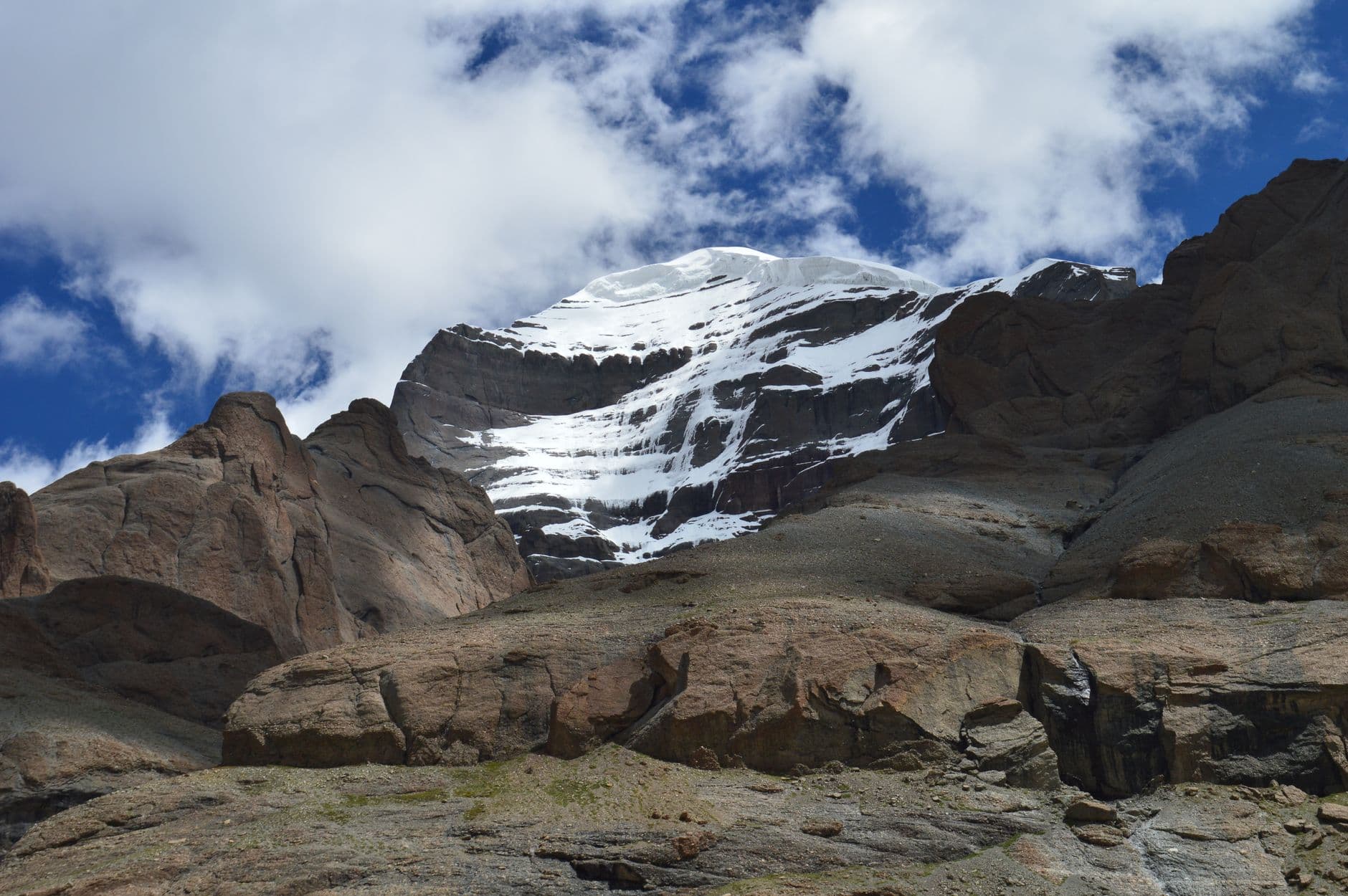
- 4.Saga to Lake Mansarovar — the first sight of the holy lake (around 4,590m), with Mount Kailash appearing on the horizon. Pilgrims perform the bathing ritual and puja on its shores.
- 5.Darchen and the Parikrama — the three-day circumambulation of Kailash, crossing the Dolma-La pass at 5,630m.
- 6.Return overland to Kathmandu — back across the border the way you came.
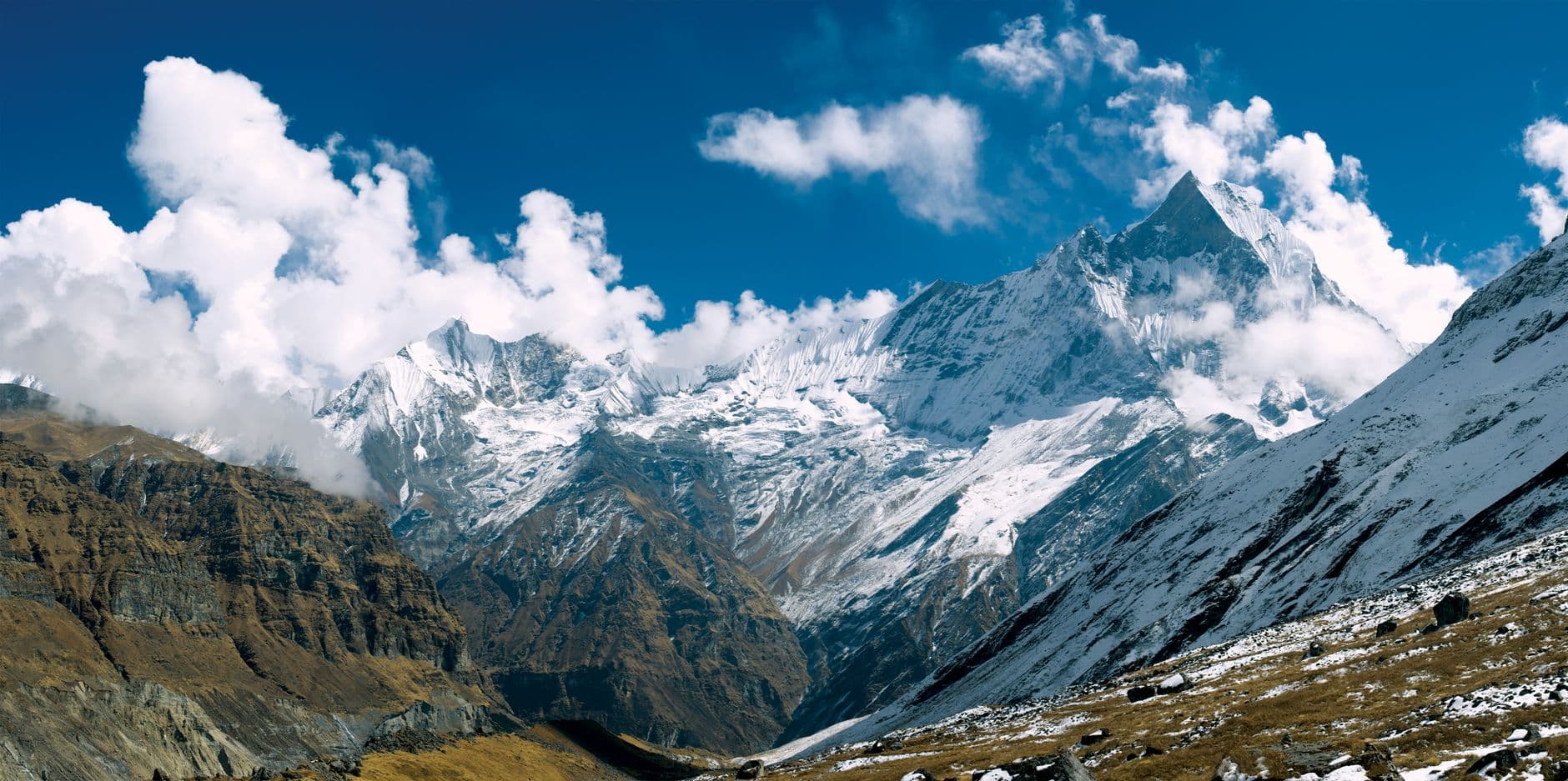
A word on the driving, because nobody warns pilgrims about it and it's the part that surprises them most. The days from the border to Mansarovar are long — six, eight, sometimes more hours on the road, much of it on the Tibetan plateau at over 4,000m. The landscape is staggering: empty, enormous, brown and gold to every horizon, with wild kiang (Tibetan asses) and the occasional nomad tent. But sitting still in a vehicle at altitude is tiring in a way that walking is not, and the plateau roads are not always smooth. We pace these days deliberately, stop often for tea and to stretch, and never try to claw back a lost day by driving into the night. If a Kailash itinerary you're comparing seems to cover the same ground in fewer days, that's not efficiency — it's skipped acclimatisation, and the plateau will collect the debt at Dolma-La.
What the Parikrama actually involves
The Kailash Parikrama — the kora, the circumambulation of the mountain — is roughly 52 kilometres, walked over three days. People ask us what it's like, and the honest answer is that it's three very different days strung together, and you feel each of them in your body.
Day one is the gift. You set off from Darchen and walk into the Lha Chu valley, and Kailash plays hide-and-seek with you — appearing above a ridge, vanishing behind the next, then revealing the whole dramatic north face when you least expect it. It's mostly gentle walking, maybe five to six hours, and almost everyone is euphoric. You're finally here, the mountain is right there, and your legs feel fine. Enjoy it, because it lulls people into a false confidence about day two.
Day two is the one. You start in the dark, often around three or four in the morning, headlamps bobbing in a line up the valley, your breath freezing on your scarf. The climb to the Dolma-La pass at 5,630 metres is the hardest physical thing most pilgrims will ever do. The altitude hits everyone differently — some get a pounding headache, some feel nauseous, some simply have to stop every twenty steps and breathe. There is no shame in any of it; we've watched the fittest-looking person in a group struggle while a quiet, slow pilgrim moves steadily past. And then you reach the top. Prayer flags everywhere, thousands of them, snapping in the wind. Pilgrims weeping openly. People leaving a strand of hair, a tooth, a photograph of someone they've lost. Whatever you believe, standing at Dolma-La with Kailash behind you is a moment that rearranges something inside people. Then comes the long, knee-punishing descent to Zutulpuk — and by the time you reach the teahouse you are utterly spent.
Day three is the walk out — an easier morning back to the road, your body wrecked and your mind oddly clear. We've lost count of the pilgrims who say a version of the same thing at the end: *I feel lighter.* Not physically — they're exhausted — but lighter. That's the kora. Those who genuinely cannot manage the full walk can take a pony for much of it, or complete a shorter symbolic circuit; we arrange this honestly and without judgement, person by person. The intention of the pilgrimage is what carries the merit, not the heroics.
Lake Mansarovar
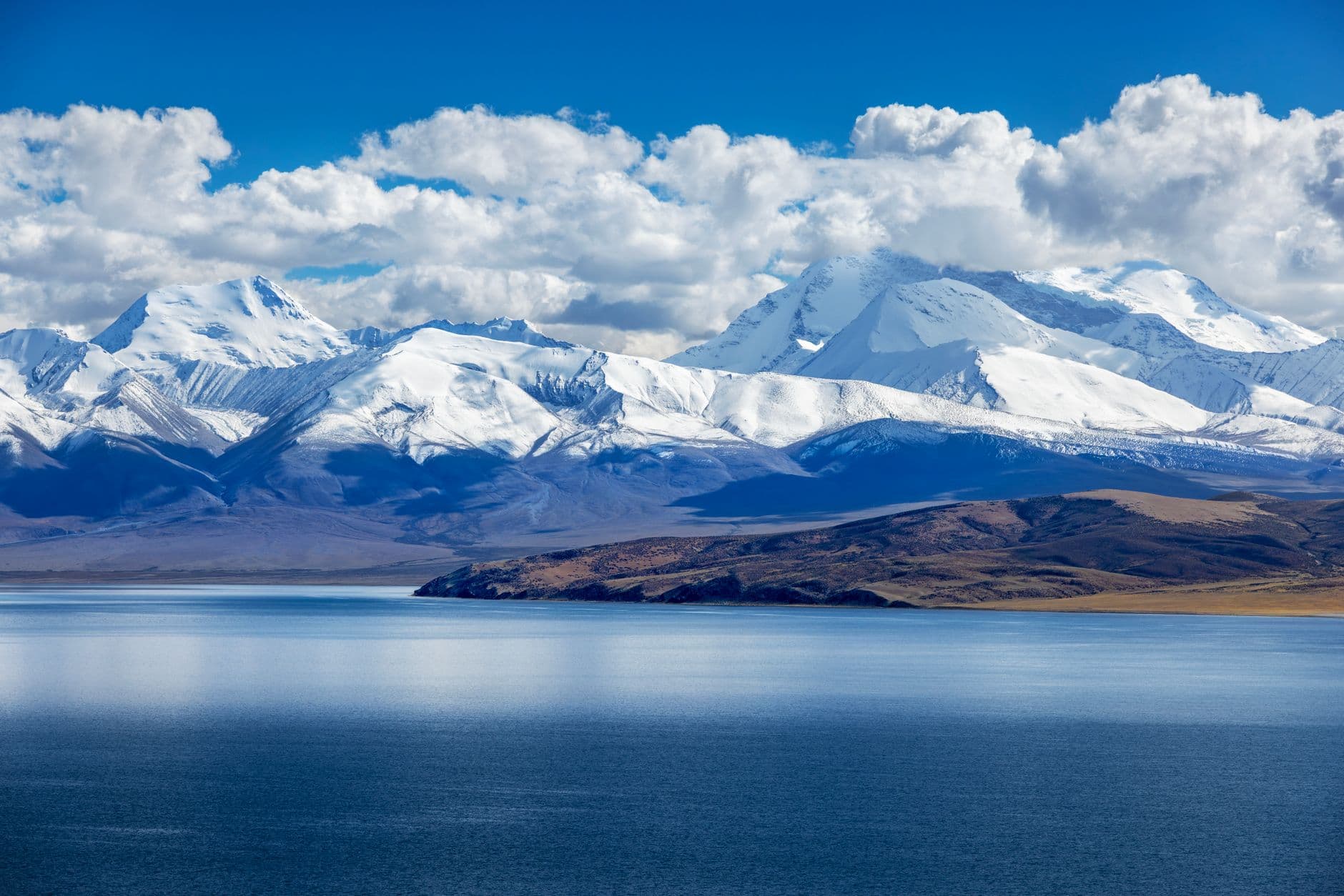
For many pilgrims, the still, vast, impossibly blue expanse of Lake Mansarovar is as moving as the mountain itself. Set at around 4,590 metres, it is one of the highest freshwater lakes in the world and one of the holiest. The water is astonishingly clear and astonishingly cold. Devotees bathe in it or sprinkle it over their heads, offer puja at dawn as the light comes up over the lake, and carry a small vessel of the water home for family who could not come. We give real time here — a night on the shore, an unhurried morning — because it is not a place to photograph and leave. More than one pilgrim has told us the dawn at Mansarovar, not the pass, was the moment they'll remember.
Who can do this yatra?
We will always be honest with you about fitness, because the mountain demands it and because your safety matters more than a booking. This is a high-altitude pilgrimage, and the Dolma-La at 5,630m is genuinely strenuous.
- Fitness: you should be able to walk several hours a day over uneven ground and manage sustained altitude. We strongly recommend two to three months of cardio preparation — brisk walking, stair climbing, and longer hikes if you can. The single best training for Kailash is walking uphill for hours, repeatedly, before you come.
- Age: we have guided pilgrims from their twenties into their seventies, and devotion crosses every age. We have seen people in their late sixties complete the full Parikrama, slowly and with rest stops, while younger and fitter-looking trekkers had to turn back. The plateau does not reward gym fitness so much as patience, humility and a steady pace. That said, travellers above 60, or anyone with heart, lung or blood-pressure conditions, must have medical clearance from their own doctor before booking — that is non-negotiable.
- Tibet Group Visa: entry to Tibet from Nepal is by a special group visa, processed in Kathmandu, and it requires a minimum group size (typically five pilgrims). We coordinate this for you — it is one of the main reasons the yatra is run as a group.
- Indian nationals: no Nepal visa is required to enter Nepal, but the Tibet Group Visa is still mandatory and is issued in Kathmandu — which is exactly why starting the yatra here is so practical.
- Other nationalities: you will need a Nepal visa (simple on arrival) plus the Tibet Group Visa arranged through Kathmandu.
The practical things nobody tells you
Food on the plateau
Pure vegetarian, Satvik Indian food is provided throughout the Tibet side — our kitchen team travels with the group, because you cannot rely on finding familiar food out there. Breakfast is usually porridge, toast, eggs and hot Nepali milk tea. Lunch and dinner are dal, rice, roti, sabzi, khichdi, soup — simple, warm, filling, and always vegetarian. For devout pilgrims who keep a stricter diet, we can arrange no-onion, no-garlic (satvik) meals on request; tell us when you book, not on the road. Two honest things about eating at altitude. First, your appetite often disappears above 4,500m — you won't feel like eating even though your body badly needs the fuel, so the cooks keep meals light and we gently push everyone to eat. Second, this is not restaurant food; it's hot, nourishing camp cooking made in difficult conditions. You will not go hungry, but come expecting simplicity, not variety.
Accommodation
In Kathmandu you stay in a comfortable tourist-standard hotel. On the Tibetan side, the reality is basic guesthouses — twin or shared rooms, simple bedding, shared bathrooms that are often squat toilets, and limited or no heating. At Dirapuk and Zutulpuk on the kora, the rooms are dormitory-style and cold. Hot showers are rare to non-existent above Saga; most pilgrims wash with wet wipes for several days, and that is normal. We tell you all of this plainly because the single biggest cause of disappointment we see is a pilgrim who pictured a hotel and found a cold shared room at 5,000m. It is not a shortcoming of the trip — it is the plateau, and for most pilgrims the spareness becomes part of the pilgrimage rather than a hardship. But you should pack and brace for it.
Oxygen and altitude
Oxygen cylinders are carried in the coaches, and emergency oxygen is available during the Parikrama. But oxygen is a safety net, not a substitute for acclimatisation — the real protection is a sensible, unhurried ascent profile, which is built into the itinerary. We do not rush the climb onto the plateau, however eager the group is to reach the lake. Drink water constantly (three to four litres a day up high), walk slowly even when you feel strong, and tell your guide the moment you feel unwell — a headache that won't shift, breathlessness at rest, confusion or loss of balance are not things to push through. Going down is the only reliable cure, and our guides are empowered to make that call calmly, before it becomes an emergency.
Connectivity, money and the small frustrations
Set your expectations now and you'll be fine. Mobile signal on the Tibet side is patchy and often gone for days; tell your family before you cross the border that you may be unreachable for a week — it saves everyone worry. Indian SIM cards do not work in Tibet. You'll want some Chinese yuan in cash for small purchases and tips on the plateau (we advise on amounts), as cards are useless out there. Power for charging is limited — bring a good power bank and keep it warm in your sleeping bag at night, because the cold flattens batteries fast. None of this is a hardship if you expect it; the pilgrims who struggle are the ones who assumed Kailash would have the conveniences of a normal trip. It does not, and that is rather the point.
Weather windows
The yatra runs in two seasons only: May to June and September to October. These are the windows when the high passes are open and the weather on the plateau is at its most stable. Spring tends to be a touch greener and warmer; autumn often gives the clearest skies and the sharpest views of the mountain. Even in season, expect cold nights, fierce high-altitude sun, biting wind and the occasional snow flurry at the Dolma-La — the plateau makes its own weather, and it can turn in minutes. In a Fire Horse Year both windows will be busy, so the choice often comes down to which dates you can secure rather than a fine-grained weather preference.
What to pack for Kailash
- Warm thermal layers, a good insulated down jacket, warm hat and gloves — nights and the Dolma-La are genuinely cold even in summer.
- Strong sun protection: high-SPF sunscreen, lip balm, and proper category-3 or 4 UV sunglasses — the high-altitude sun is fierce and snow glare on the pass is real.
- Broken-in walking shoes or boots and a pair of walking poles for the Parikrama — your knees will thank you on the Dolma-La descent.
- A light daypack, a reusable water bottle, a power bank, and all personal medication in your hand luggage (with copies of prescriptions).
- Waterproof jacket and trousers, a warm sleeping bag, plus wet wipes, hand sanitiser and a small quick-dry towel for the basic guesthouses.
- A few passport photocopies and photos for the permit formalities, and some Chinese yuan in cash.
Who comes to Kailash — and why
Over the years we've walked with every kind of pilgrim, and the ones the mountain rewards are not the ones you'd expect. We've guided retired schoolteachers who hadn't exercised in decades but who walked the kora on sheer quiet determination, pausing at the steepest part of the pass with a guide's hand on their arm, and finished in tears. We've guided fit professionals who treated it like a fitness challenge, went too hard on day one, and paid for it at Dolma-La. We've guided families carrying a parent's photograph to the pass, completing the circuit for someone who always meant to come and never did.
The thread running through the ones who do well is not strength — it's surrender. They accept the cold rooms, the simple food, the long drives and the thin air as part of the offering rather than obstacles to it. They walk slowly. They drink their water. They don't argue with the mountain. If you come to Kailash trying to conquer it, you'll have a hard time. If you come to walk around it with patience and devotion, the year does the rest.
Why start from Kathmandu, not Delhi — and why our price is what it is
Most operators run Kailash from Delhi, London or North America, and most price it somewhere between roughly USD 3,500 and 4,000 per pilgrim. Pilgrims naturally ask us how our Mount Kailash Charan Sparsha can be USD 1,750 — half the price — and whether something is being cut. Nothing is. Here is the honest explanation.
A foreign operator runs Kailash from an office far from the mountain. They carry the cost of that office, its staff, its marketing, its margin. Then they subcontract the actual trip to a Kathmandu operator — often us, sometimes one of our competitors — who supplies the guides, the vehicles, the kitchen team, the permits and the route. In other words, you are frequently paying a Delhi or overseas company a large markup to book the very same Kathmandu ground operation you could book directly. We are that Kathmandu operator. Same guides, same plateau vehicles, same guesthouses, same Satvik kitchen, same Dolma-La. When you book with us, you're paying for the trip, not for a layer of office in another country. That's not a discount or a corner cut — it's simply what the journey costs once the middleman is removed.
Starting overland from Kathmandu is also simpler and, many pilgrims feel, more spiritually complete:
- Pashupatinath first. Tradition holds that darshan at the great Shiva temple of Pashupatinath should precede Kailash. Beginning in Kathmandu lets you honour that naturally.
- A direct overland route. From Kathmandu the journey runs by road across the border and onto the plateau — no unnecessary domestic flights inside India, no extra connections.
- Honest, Kathmandu-direct pricing. Our Mount Kailash Charan Sparsha is USD 1,750 — transparent, with no middleman markup. It is the one tour on our site with a fixed public price, precisely because we want it to be clear.
How to book for 2026
In a Fire Horse Year, the limiting factor is not desire — it is capacity. Group permits, plateau vehicles and the handful of guesthouses fill early, so the pilgrims who plan ahead are the ones who go.
- Choose your window: May–June or September–October 2026. Spring tends to be greener and a touch warmer; autumn often gives the clearest skies.
- Gather your group: the Tibet Group Visa needs a minimum number of pilgrims. We can place individuals and couples into a forming group — just ask.
- What's included: the package covers permits and the Tibet Group Visa coordination, transport, accommodation, Satvik meals, oxygen support and an experienced guide. The full inclusions are on the tour page.
- Reserve your spot: no payment is required upfront to hold a place — reserve, and we will contact you the same day to confirm the details.
The Fire Horse Year will not come again until 2086. If Kailash has been calling you, this is the year to answer — and our family would be honoured to walk part of the way with you. Pilgrims often pair the yatra with Pashupatinath darshan beforehand, and some extend it into the wider Pashupatinath & Muktinath circuit to honour both Lord Shiva and Lord Vishnu. Tell our Concierge your dates and group size, or message us on WhatsApp, and we'll check availability for the 2026 windows and reply the same day.