Not everyone can spend two weeks walking to Everest Base Camp — and not everyone wants to. Some do not have the time, some do not have the knees, and some simply want to see the greatest mountain on earth without the fortnight of stone stairs and cold nights. For all of them, there is one of the most spectacular half-days in travel: the Everest Helicopter Tour. Here is the honest guide to what it is and who it is for.
What the tour actually is
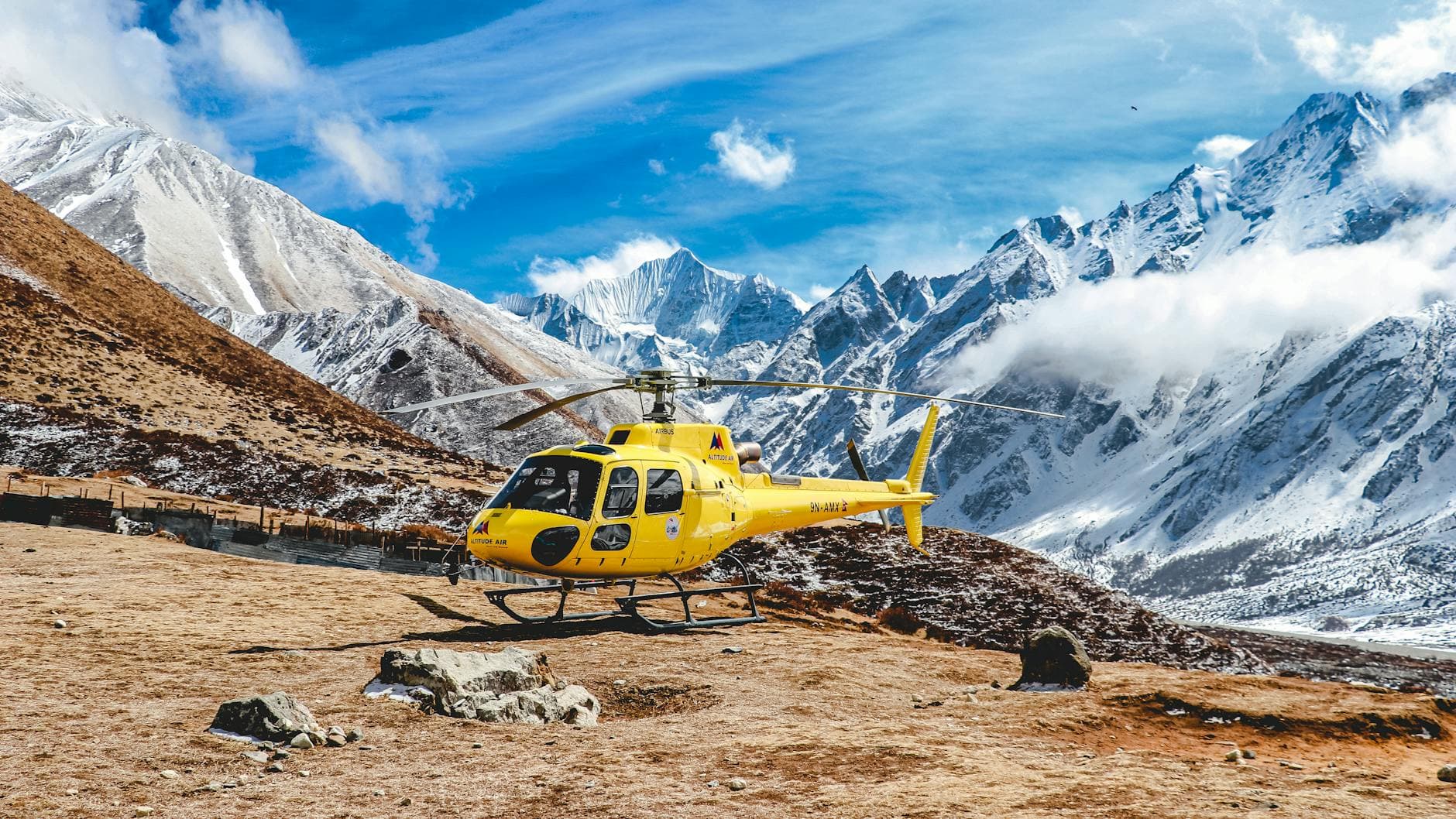
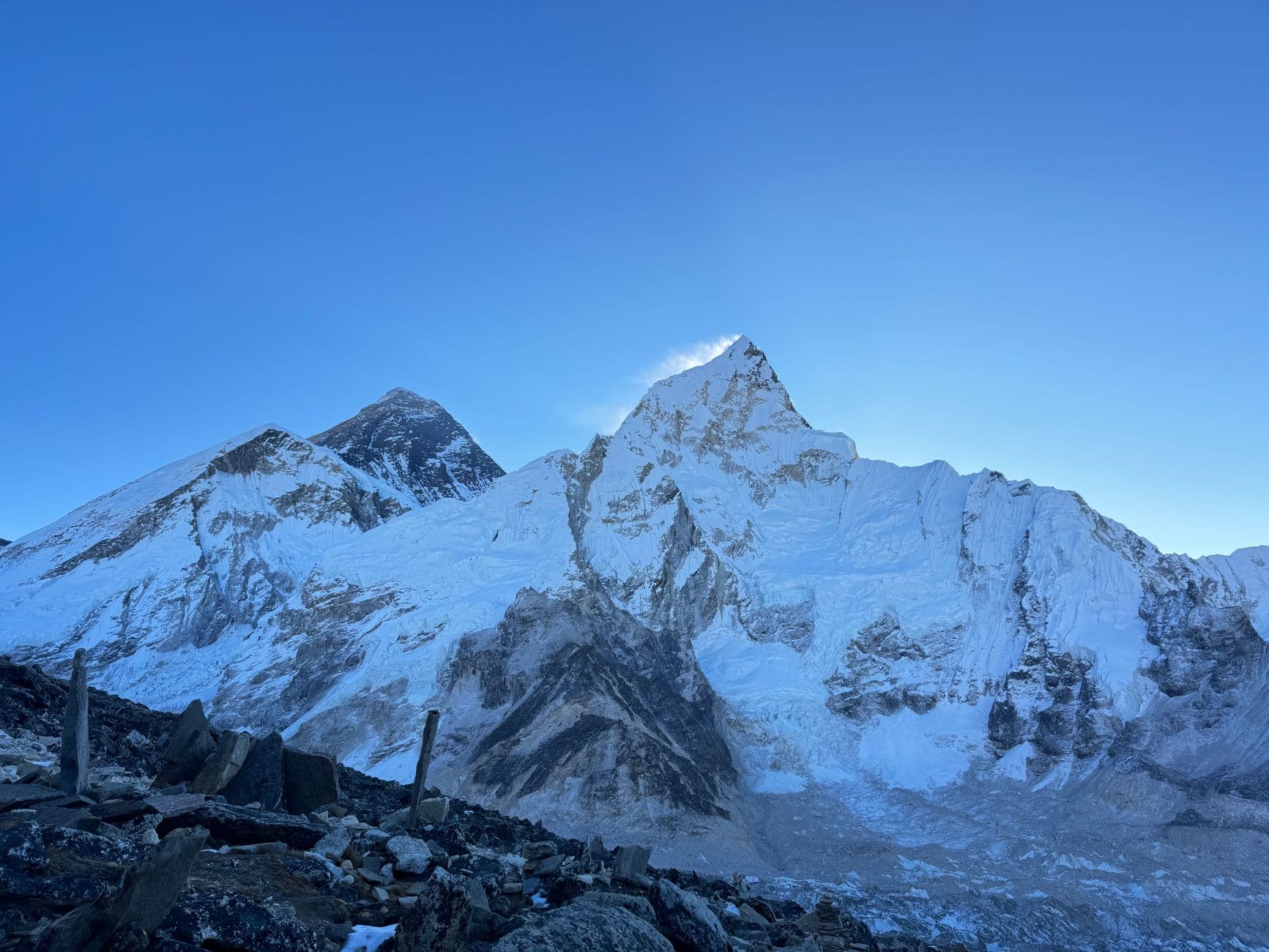
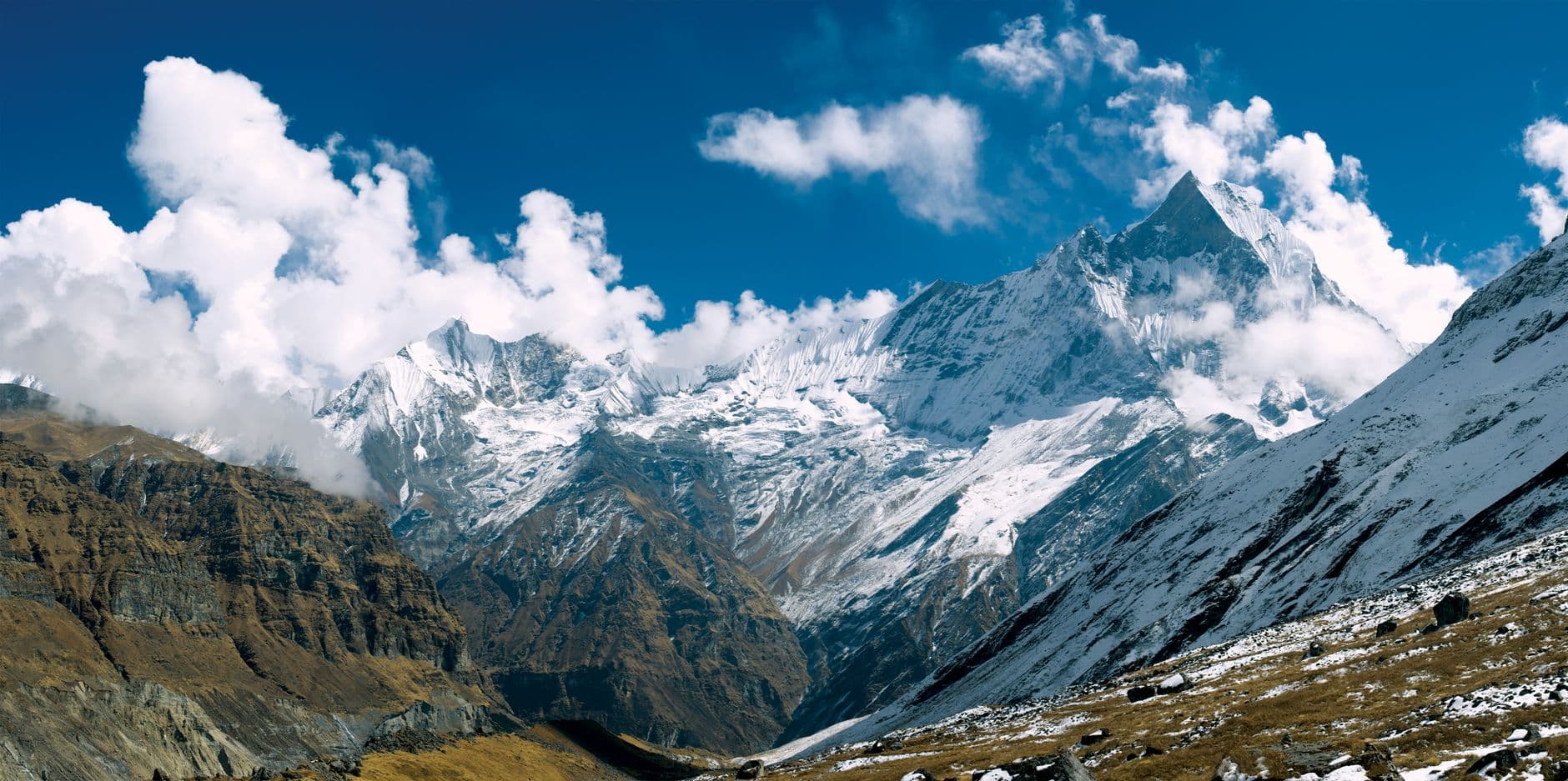
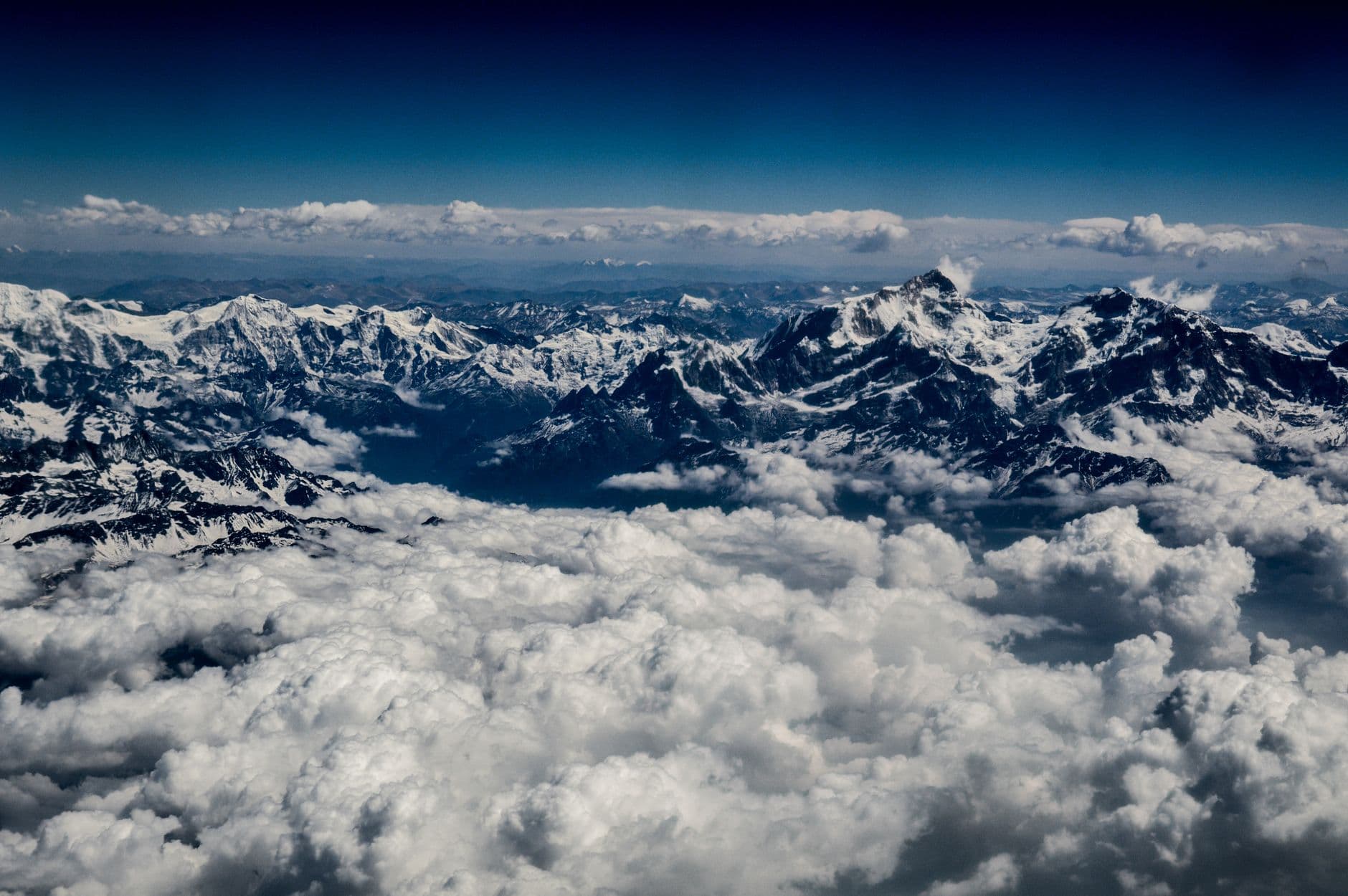
You lift off from Kathmandu at first light and fly east into the Khumbu, the whole Himalaya opening up beneath you. The helicopter typically lands first at Lukla to refuel, then flies deeper into the valley — past Namche, Tengboche and Ama Dablam — for a landing near Kala Patthar or the Everest View area, at around 5,000+ metres, where you step out with Everest, Lhotse and Nuptse standing right in front of you. Because the thin air limits how much weight a helicopter can carry that high, guests are usually split into groups and shuttled up in turns for the highest landing — this is normal and it is a safety practice, not a shortcut.
The tour then usually descends to the famous Everest View Hotel (around 3,880m) or a similar spot for a breakfast with a view that no restaurant on earth can match — Everest on the horizon, Ama Dablam over your shoulder — before flying you back to Kathmandu. Door to door, you are often back in the city by mid-morning or lunchtime. A whole trek’s worth of scenery, in a single morning.
People expect the mountains to be smaller from a helicopter. They are not. Seeing Everest at eye level from the air, then standing on the snow with it in front of you, undoes almost everyone. It is a different experience from the trek — not lesser, just different.
Who it is perfect for
- Time-short travellers — you can see Everest on a two- or three-day Kathmandu trip.
- Families with young children or older parents — grandparents who could never trek to Base Camp can still stand in front of Everest.
- Elderly pilgrims and travellers who want the mountain without the physical demand of the walk.
- Trekkers short on days who would love the Khumbu but cannot spare two weeks.
- Anyone who wants an unrepeatable, once-in-a-lifetime morning.
The honest caveats
We believe in telling you the trade-offs, so here they are.
Altitude still applies. Even though you are only up high briefly, the highest landing is above 5,000 metres and you go from Kathmandu’s 1,400m to there in under an hour — a very fast ascent. Most people are fine for the short time on the ground, but some feel light-headed. Move slowly, do not sprint for photos, and tell the crew if you feel unwell. Anyone with a serious heart or lung condition should check with a doctor first.
Weather rules everything. Helicopters fly in clear morning conditions, and the tour can be delayed or postponed if the weather closes in — which it can, especially in the monsoon and deep winter. Build a little flexibility into your Kathmandu days so a weather hold does not cost you the flight. The good news is that when it does fly, it flies in the best conditions of the day.
It is a premium experience. A helicopter is expensive to operate, and the tour is priced accordingly — but shared “group landing” flights bring the cost down considerably compared with a private charter, and for what you see in a single morning, most guests consider it money exceptionally well spent. Tell us your dates and group size and we will give you an honest quote and explain the shared-vs-private options clearly.
Best time to fly
The clearest skies — and therefore the most reliable flights and the sharpest mountain views — come in autumn (October–November) and spring (March–April). Mornings are almost always better than afternoons because Himalayan cloud builds through the day, which is why every flight is scheduled early. Winter offers crisp, clear air but very cold landings and a higher chance of weather holds; the summer monsoon is the least reliable window. If a clear view of Everest matters to you — and it should — aim for the two main seasons.
How it compares to trekking
Let us be straight, because we run both. The trek to Everest Base Camp is the deeper experience — you earn the mountain, you live in the Sherpa villages, you feel the Khumbu in your legs and lungs, and nothing replaces that. The helicopter tour is the accessible experience — it opens Everest to people the trek simply cannot accommodate, and it fits into a short trip. Neither is “better.” If you have two weeks, the fitness and the desire, trek. If you have a morning, an open budget, and a longing to see Everest, fly. And some of our guests do both, years apart. We are happy to talk you honestly through which suits you.
Ready to see Everest?
There are very few mornings in a life like this one. If the idea of breakfast beneath the highest mountain on earth — and home in time for lunch — is calling you, come and talk to us. We have been arranging Himalayan journeys as a family since 1996, we will match you to a shared or private flight honestly, and we will watch the weather so you fly on the right morning.