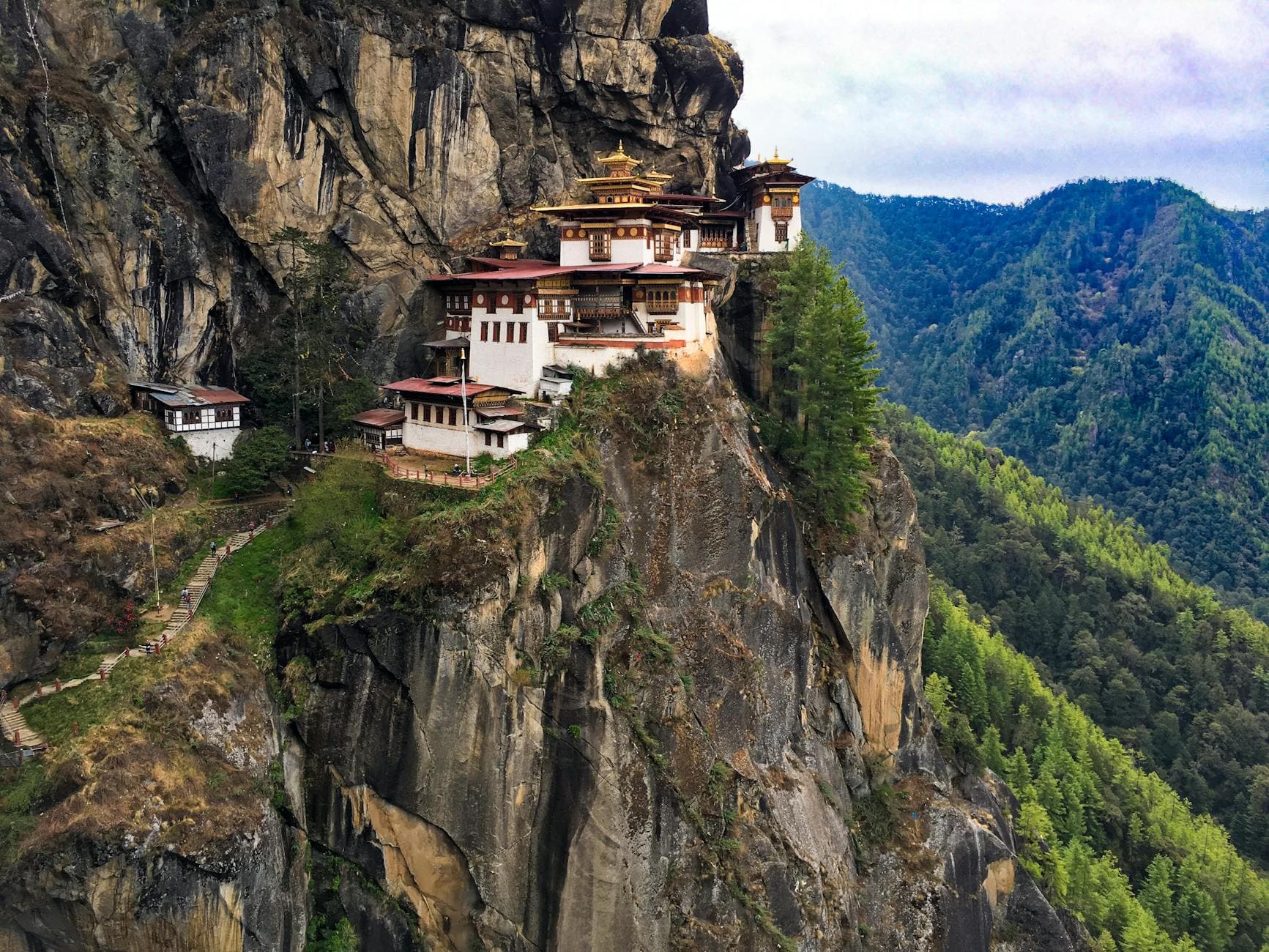
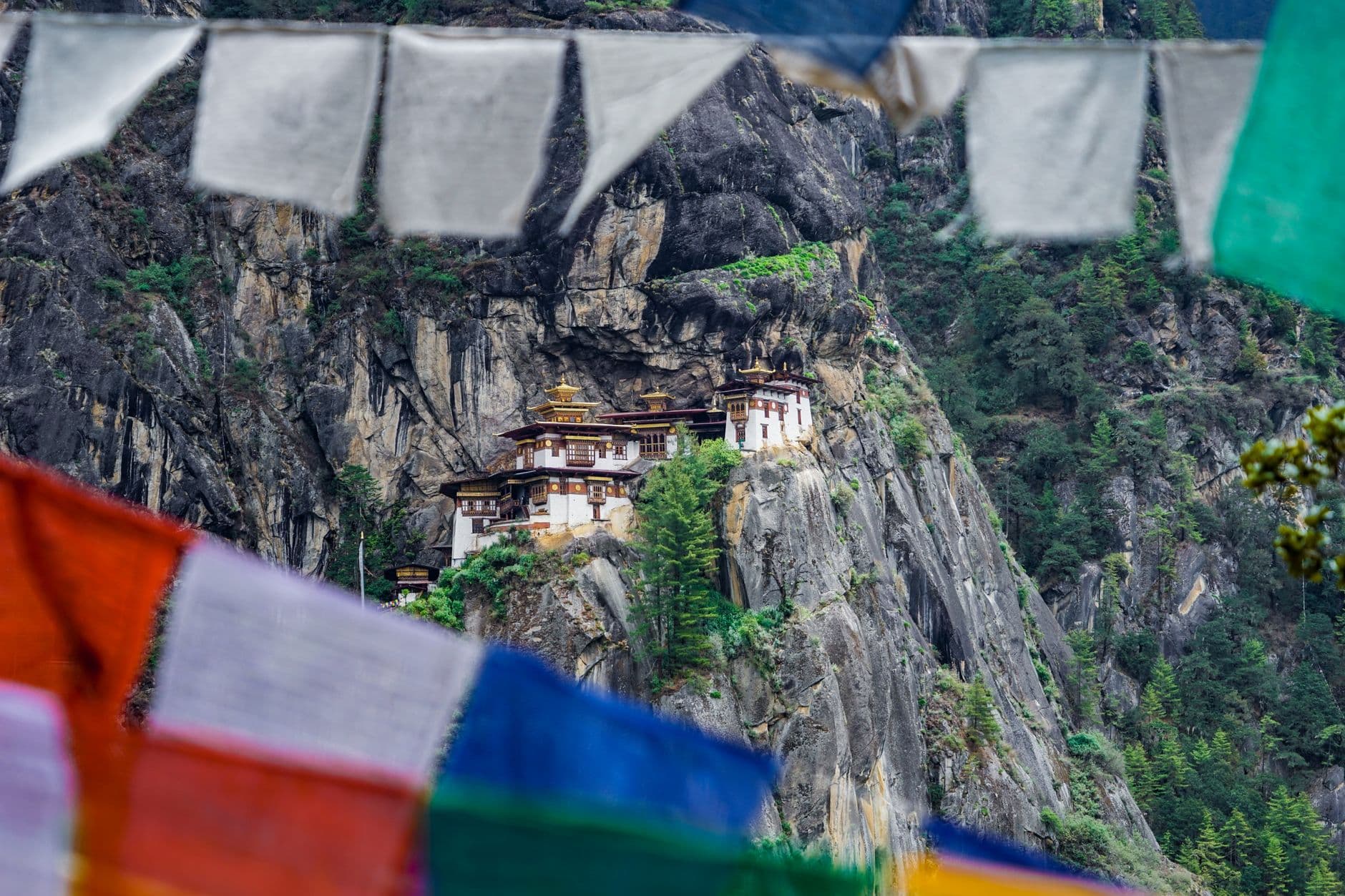
If you have seen one photograph of Bhutan, it was almost certainly this one: a white-and-gold monastery seemingly glued to a sheer cliff, 900 metres above the green Paro valley, mist curling around it. That is Paro Taktsang — the Tiger’s Nest — and walking up to it is the moment nearly every one of our Bhutan guests remembers most. Here is the honest guide to the hike, so you arrive knowing exactly what to expect.
The story behind the cliff
Bhutanese revere this as one of the most sacred sites in the Himalayas. The tradition says Guru Rinpoche, the saint who brought Buddhism to Bhutan, flew to this cliff on the back of a tigress in the 8th century and meditated in a cave here for three years, three months, three weeks, three days and three hours. The monastery complex you see today was built around that cave in 1692. It remains an active place of worship — not a museum — which shapes everything about how you visit: modestly, quietly, with your shoes off in the shrine rooms and your camera away inside.
The hike — distance, altitude and climb
Here are the honest numbers. The trail is roughly a 6 to 7 kilometre round trip, and it is essentially all uphill on the way in and all downhill on the way out. You start at the car park at about 2,600 metres and climb to the monastery gates at around 3,100–3,120 metres — so about 500 metres of ascent. Most walkers take two to three hours up and a little less coming down, meaning the whole outing, with time inside the monastery, is a half to full day.
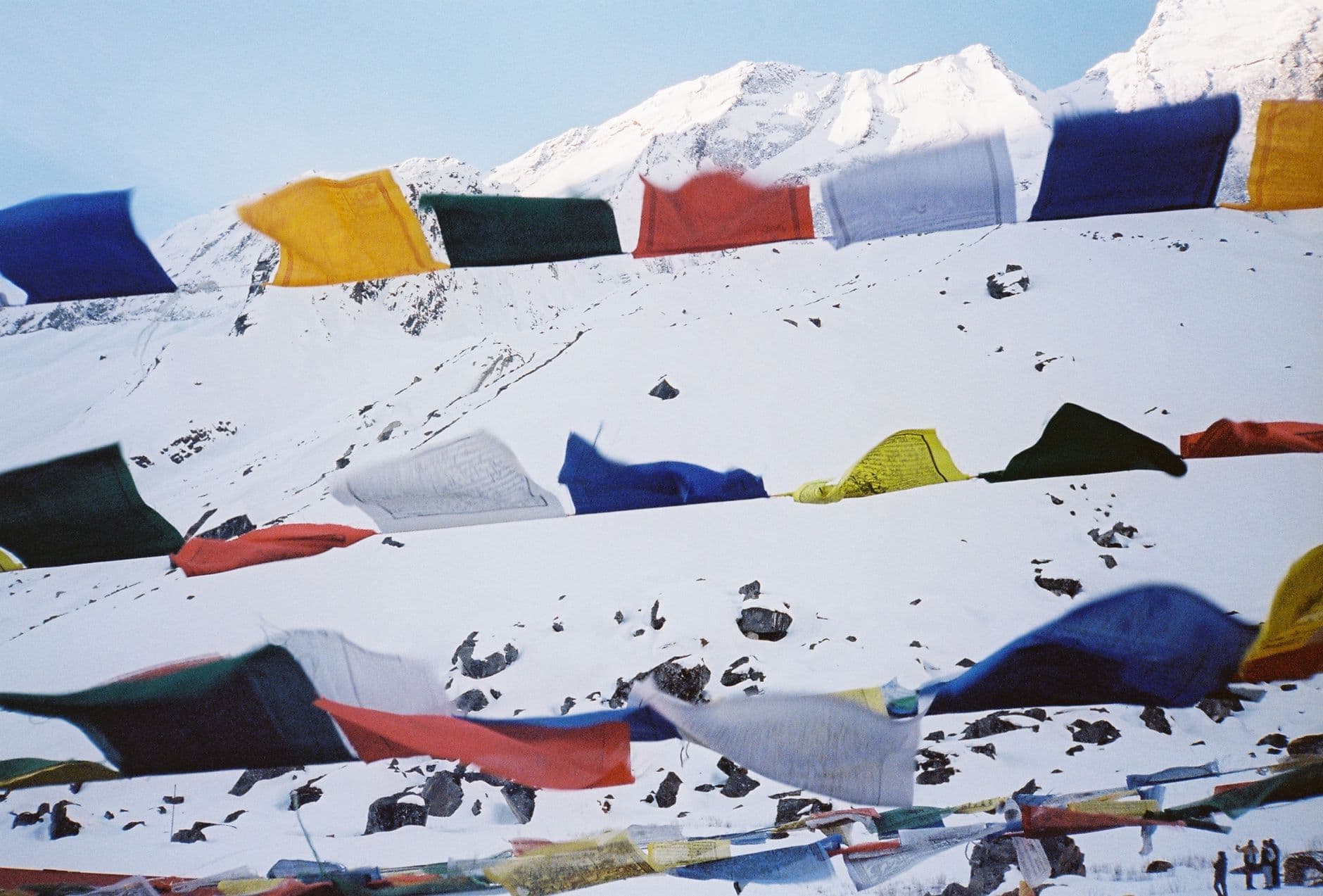
It is not technical and you need no special skill, but it is a genuine climb and the altitude makes you breathe harder than the same effort would at home. The trail rises steadily through blue-pine forest strung with prayer flags. About halfway up there is a cafeteria viewpoint — the classic photo spot, where the monastery sits framed across the gorge — and this is where many people stop for tea and where the pony ride ends.
The sting in the tail is the final section: after the viewpoint you climb to a saddle, then descend a long stone staircase into the gorge and climb back up the other side to the gate. It is the hardest and the most beautiful part — a waterfall, a footbridge, prayer flags everywhere. Save some energy for it.
Can you ride up? And how fit do you need to be?
You can hire a pony for the first section, up to the cafeteria viewpoint only — the animals do not go beyond it, and they do not come down, so the descent is on your own feet regardless. This helps guests who worry about the first steep stretch, but honestly, most reasonably mobile people manage the walk with a steady pace and a couple of rest stops.
You need moderate fitness — comfort with two to three hours of uphill walking — rather than any athletic ability. We have walked guests of a wide range of ages up to the Tiger’s Nest; the key is simply to go slowly, start early, and not treat it as a race. Because it usually falls near the end of a Bhutan itinerary, you will already be somewhat acclimatised to the altitude by the time you tackle it, which helps a great deal.
What to wear and bring
This is an active monastery, so dress respectfully: cover your shoulders and knees, and long trousers are best. Beyond that, dress as you would for any hill walk.
Best time to go
The Tiger’s Nest follows Bhutan’s two peak seasons. Spring (March–May) brings clear skies and rhododendrons blooming pink and red along the trail — many people’s favourite. Autumn (September–November) brings the crispest, most reliable mountain views and comfortable walking temperatures. In both, the trick is the same: start early, ideally by 8am, to walk in the cool of the morning and reach the monastery before the midday crowds and haze. Winter is clear and quiet but cold with occasional snow on the trail; the summer monsoon makes the path muddy and the views cloudy.
How it fits a Bhutan trip
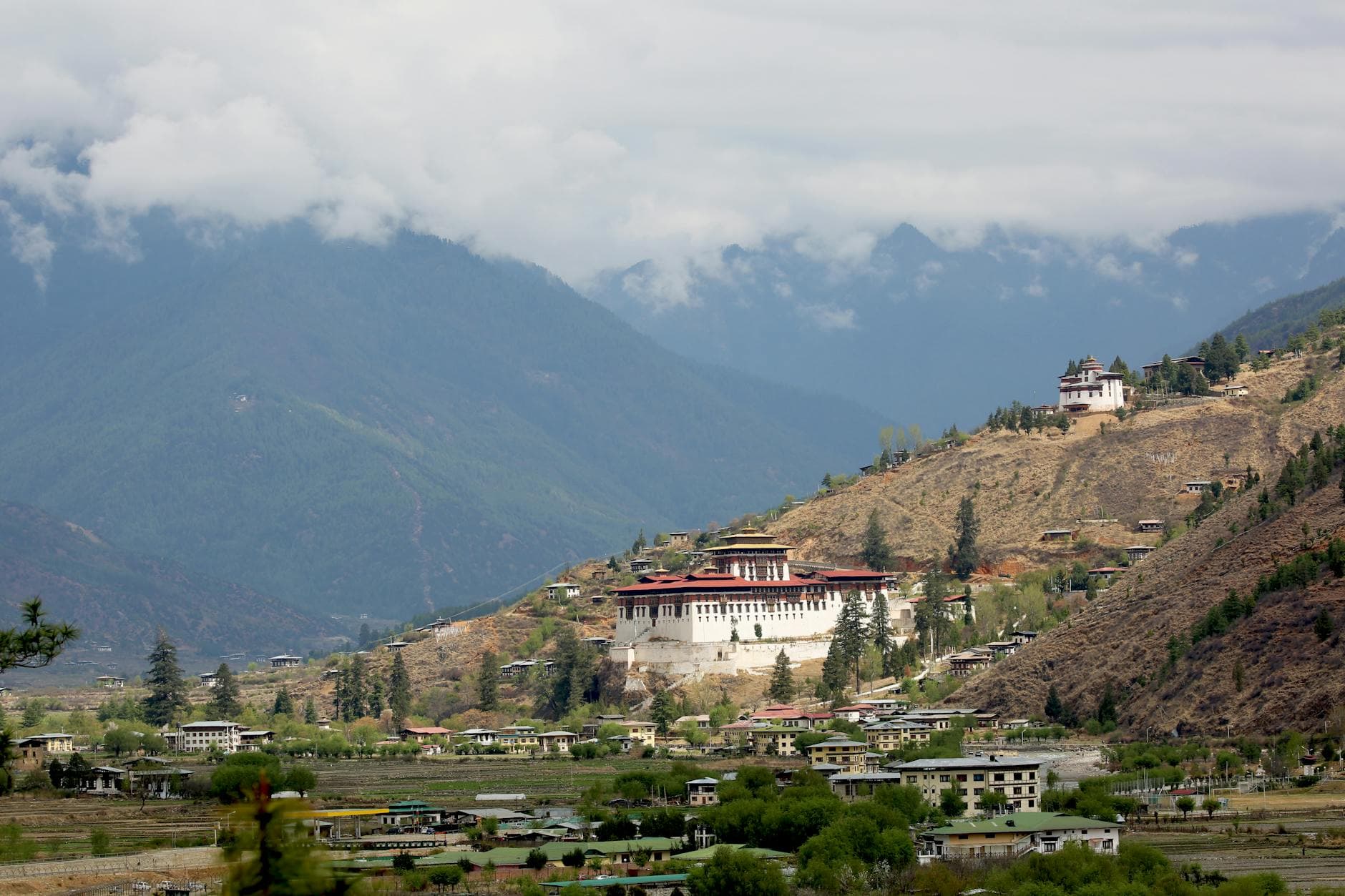
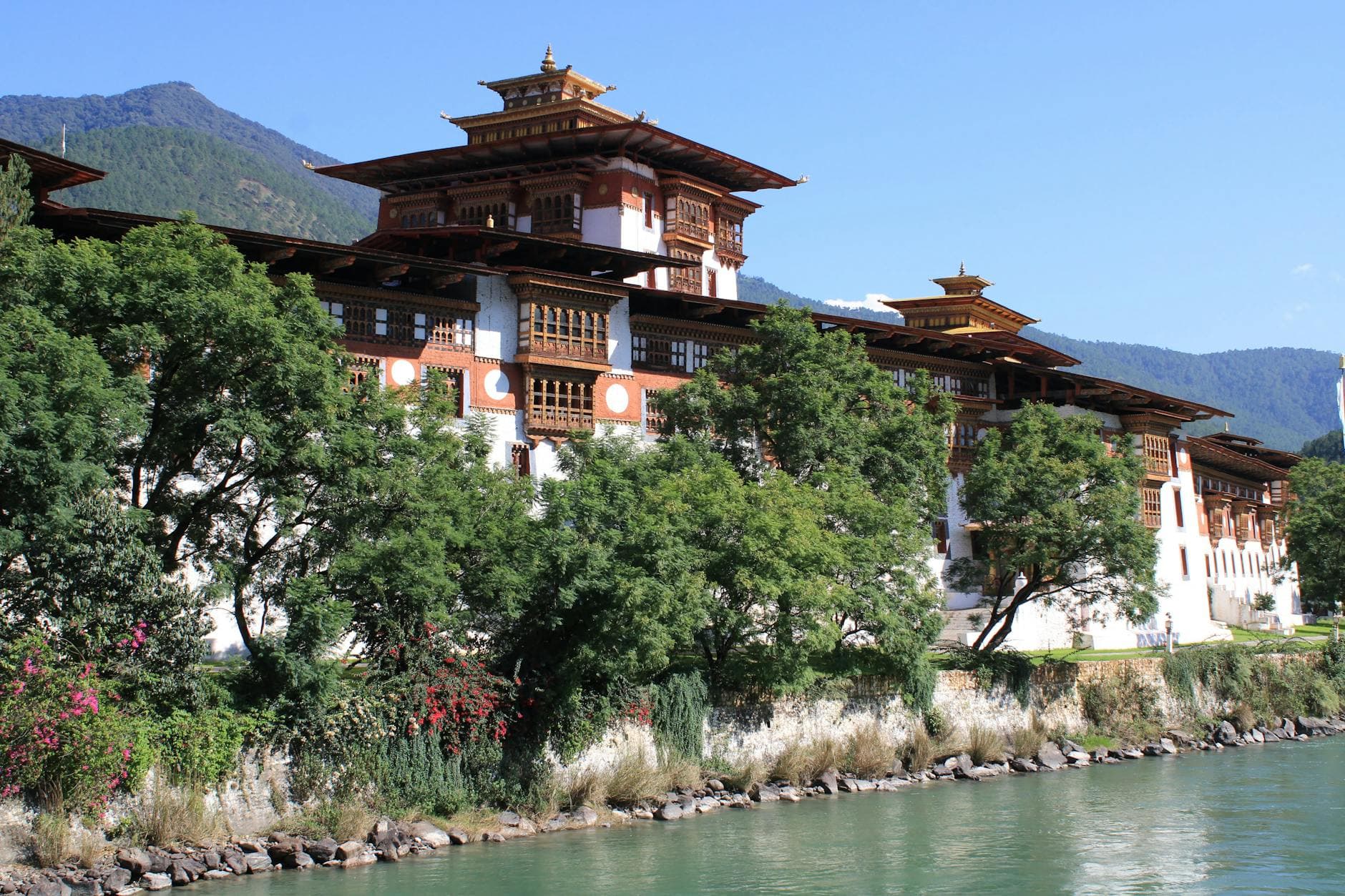
You do not travel to Bhutan only for the Tiger’s Nest — but almost every good itinerary is built to finish here, as its crescendo. On our Bhutan tours the hike typically comes toward the end, after you have explored Paro and Thimphu, crossed the Dochula Pass with its 108 chortens, and visited the great dzongs — by which point you are acclimatised and steeped in the country’s rhythm, and the climb to Taktsang lands as the perfect final act.
One honest, practical note about visiting Bhutan at all: the country runs a “High Value, Low Impact” tourism policy, which means independent backpacking is not really the model — most visitors travel on an arranged itinerary with a licensed guide, and there is a Sustainable Development Fee per night (Indian nationals pay a concessionary rate; we will confirm the current figure with your quote rather than guess at it here). It sounds restrictive but it is exactly why Bhutan stays uncrowded, clean and authentic in a way few places still are.
Ready to stand on that cliff?
The photograph is famous for a reason, but standing on the viewpoint with the monastery floating across the gorge — bells, wind, prayer flags — is something a picture cannot give you. If a Bhutan trip that builds to the Tiger’s Nest sounds like yours, come and talk to us. We will plan the whole thing honestly, handle the permits and the guide, and make sure your legs are ready for the finest half-day walk in the Himalayas.