In 30 years we've never lost a client to altitude sickness. Not because we're lucky — because we plan conservatively, educate relentlessly, and turn people around when they need turning around. Altitude is the one risk on a Nepal trek that fitness alone won't protect you from, and that's the hardest thing to get people to believe. We've watched a marathon runner have to turn back while a self-described couch potato strolled to Base Camp feeling fine, because the body's response to thin air has remarkably little to do with how strong you are. Here is what we know, in plain language, and what we tell every client before they take a step uphill.
Why fitness does not protect you
We have to start here, because it's the misconception that gets the most people in trouble. Altitude sickness is not a fitness test. It is your body struggling to adapt to less oxygen, and that adaptation runs on its own clock that has nothing to do with your gym routine. In fact, fit and competitive people are sometimes at higher risk — not because their bodies are weaker, but because they push harder, walk faster, and ignore early symptoms as "just tiredness" longer than a cautious person would. The trekkers who do best at altitude are almost always the ones who go slowly, drink relentlessly, and listen to their bodies — regardless of age or fitness. Pace and hydration beat strength every single time up there. If you take one thing from this article, take that.
What altitude sickness actually is
As you climb, the air thins and every breath carries less oxygen. Your body adapts — breathing faster, making more red blood cells — but adaptation takes time. Push higher faster than your body can keep up, and you get altitude sickness. It comes in three forms:
- AMS (Acute Mountain Sickness) — the common, mild form. Think of it as a bad hangover: headache, nausea, tiredness, poor sleep, loss of appetite. Most trekkers feel a touch of it and it usually passes with rest at the same altitude.
- HACE (High-Altitude Cerebral Edema) — fluid on the brain. Rare but life-threatening. The warning signs are confusion, clumsiness, loss of balance — as if the person is drunk. This is an emergency: descend immediately.
- HAPE (High-Altitude Pulmonary Edema) — fluid in the lungs. Also rare and also deadly. Signs are breathlessness even at rest, a persistent wet cough, and extreme fatigue. Again: descend immediately.
The reassuring truth is that HACE and HAPE almost never strike without warning. They are usually the end of a road that started with ignored AMS. Respect the mild symptoms and you rarely meet the dangerous ones. The people who get into real danger are almost always the ones who hid a worsening headache because they didn't want to be the one who held up the group. Don't be that person — your guide has seen it a hundred times and would far rather you spoke up.
At what altitude does it start?
- Below 2,500m: altitude sickness is very unlikely.
- 2,500–3,500m: mild symptoms are common — a headache or broken sleep the first night at a new height. Namche Bazaar (3,440m) is where many trekkers first feel it.
- 3,500–5,000m: the real risk zone, and where most of a Nepal trek’s walking and sleeping happens. This is where careful pacing earns its keep.
- Above 5,000m: everyone feels the altitude. Passes like Thorong La, Dolma-La and the climb to Kala Patthar demand that you are already well acclimatised before you arrive.
The golden rules (our actual client briefing)
This is, almost word for word, what we tell every group at the first briefing:
- 1.Ascend slowly. Above 3,000m, aim to raise your sleeping altitude by no more than about 500m per day, and build in a rest day every few days. Our itineraries are designed around this — it’s why a good Base Camp trek is 12–14 days, not eight.
- 2.Climb high, sleep low. On acclimatisation days you hike up to a higher point, then come back down to sleep. It’s the single most effective way to adapt, and it’s why those “rest” days are not really rest — they are active acclimatisation, and skipping them to nap is a false economy.
- 3.Hydrate obsessively. Drink 3–4 litres of water a day above 3,000m. Dehydration mimics and worsens AMS. Clear, copious urine is a good sign; dark urine is your body telling you to drink.
- 4.No alcohol up high. We ask clients to skip alcohol above 3,000m. It dehydrates you and masks early symptoms. Most people ignore this once — that celebratory beer at Namche — and most regret it the next morning.
- 5.Eat, even without appetite. Altitude kills hunger, but your body needs fuel to acclimatise. Keep eating, favour carbohydrates, and keep drinking hot fluids. The dal bhat is there for a reason — it works.
- 6.Know about Diamox — and ask your own doctor. Acetazolamide (Diamox) is a prescription medicine that helps the body acclimatise. We don’t prescribe it; your doctor decides if it suits you, the dose, and when to start. (More on this below.)
- 7.The one rule above all: if symptoms get worse after rest, descend. Not tomorrow. Now. Going down even a few hundred metres is the only reliable cure. No summit, no viewpoint, no schedule is worth your life — and a good guide will make this call with you, calmly, before it’s an emergency.
The Diamox conversation (honest, not medical advice)
We get asked about Diamox constantly, so here's the straight talk — with the firm caveat that we are guides, not doctors, and the only person who should decide whether you take it is your own physician. What we can tell you is what we actually see on the trail.
A large share of trekkers going above 4,000m take Diamox (acetazolamide), and most who do start it a day or so before reaching around 3,000m. It is not a magic pill and it is not a substitute for slow acclimatisation — you can still get altitude sickness while taking it. What it does is help your body acclimatise faster, which for many people takes the edge off the symptoms. The side effects are worth knowing so they don't alarm you: tingling in the fingers and toes (harmless, just strange), needing to urinate noticeably more often (genuinely inconvenient at 3am in a freezing teahouse), and — the one that makes people laugh — fizzy drinks tasting flat and odd. None of that is dangerous; it's just the drug doing its thing. Talk to your doctor before the trip about whether it's right for you, the dose, and when to start. And do not let it lull you into walking faster — the slow ascent still does the heavy lifting.
Altitude risk, trek by trek
Every high trek can cause altitude sickness if rushed; the difference is the maximum height and how much acclimatisation the route allows. Here is how the main routes compare, with the maximum altitude, the acclimatisation we build into our itineraries, a rough risk level, and the one thing we'd flag for each:
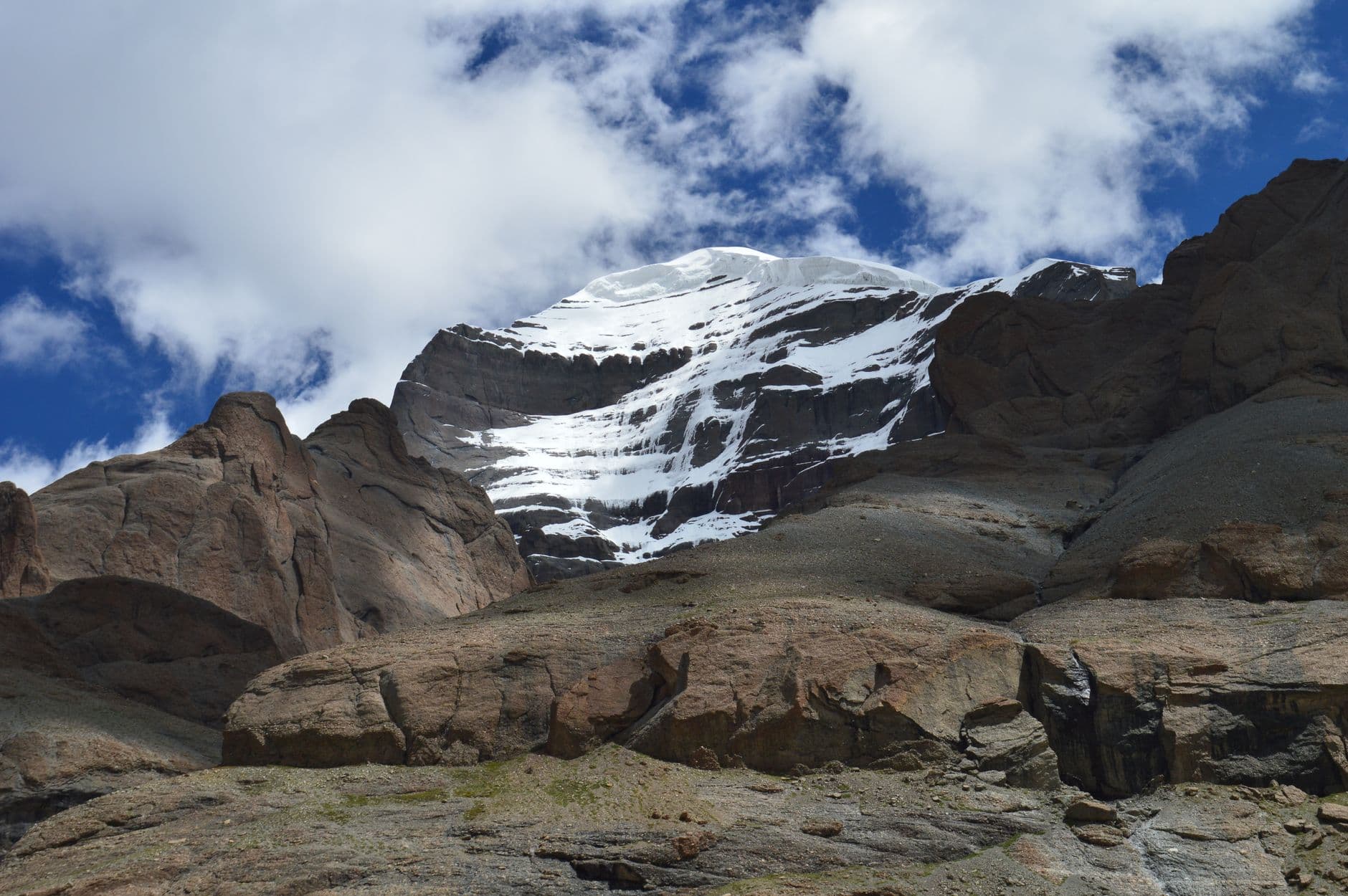
- Mount Kailash — Dolma-La 5,630m · Very High. Two-plus planned acclimatisation/ascent days onto the plateau. A pilgrimage onto the Tibetan plateau where you also drive at altitude for days; the slow build-up before the kora is everything.
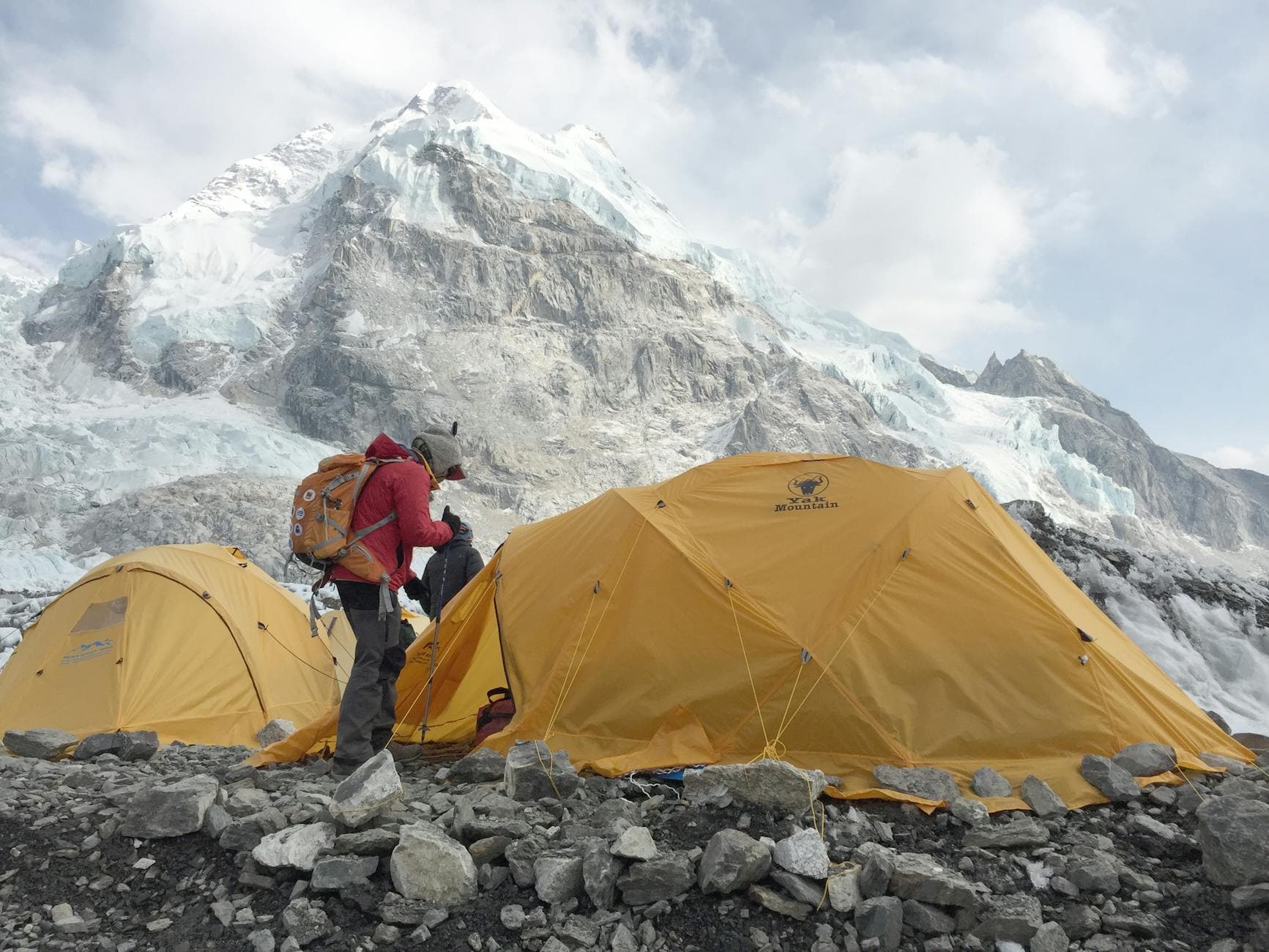
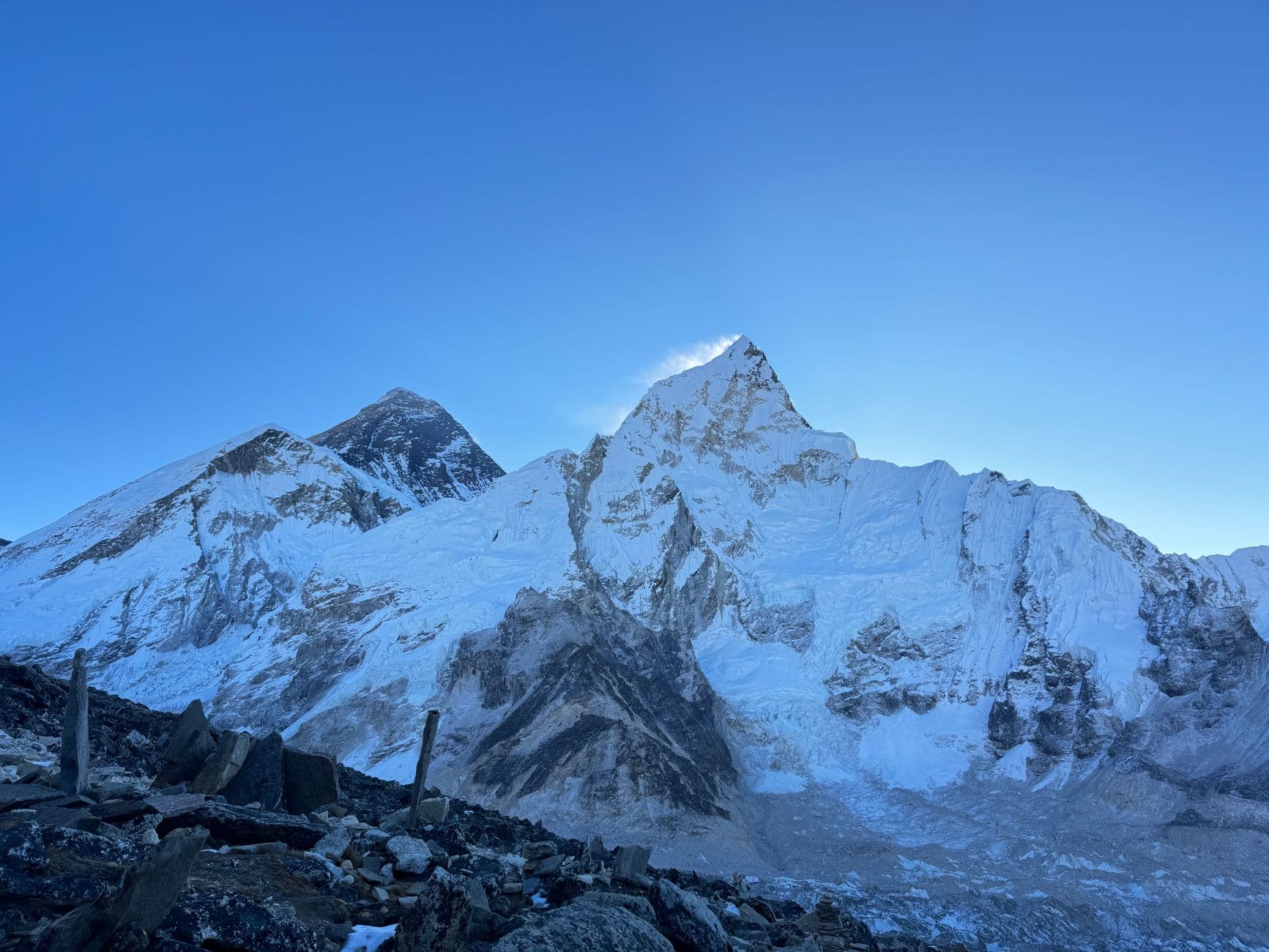
- Everest Base Camp — 5,364m (Kala Patthar 5,545m) · High. Two built-in acclimatisation days, at Namche and Dingboche. Non-negotiable rest days; the trekkers who skip Dingboche to save a day are the ones we see struggle at Lobuche.
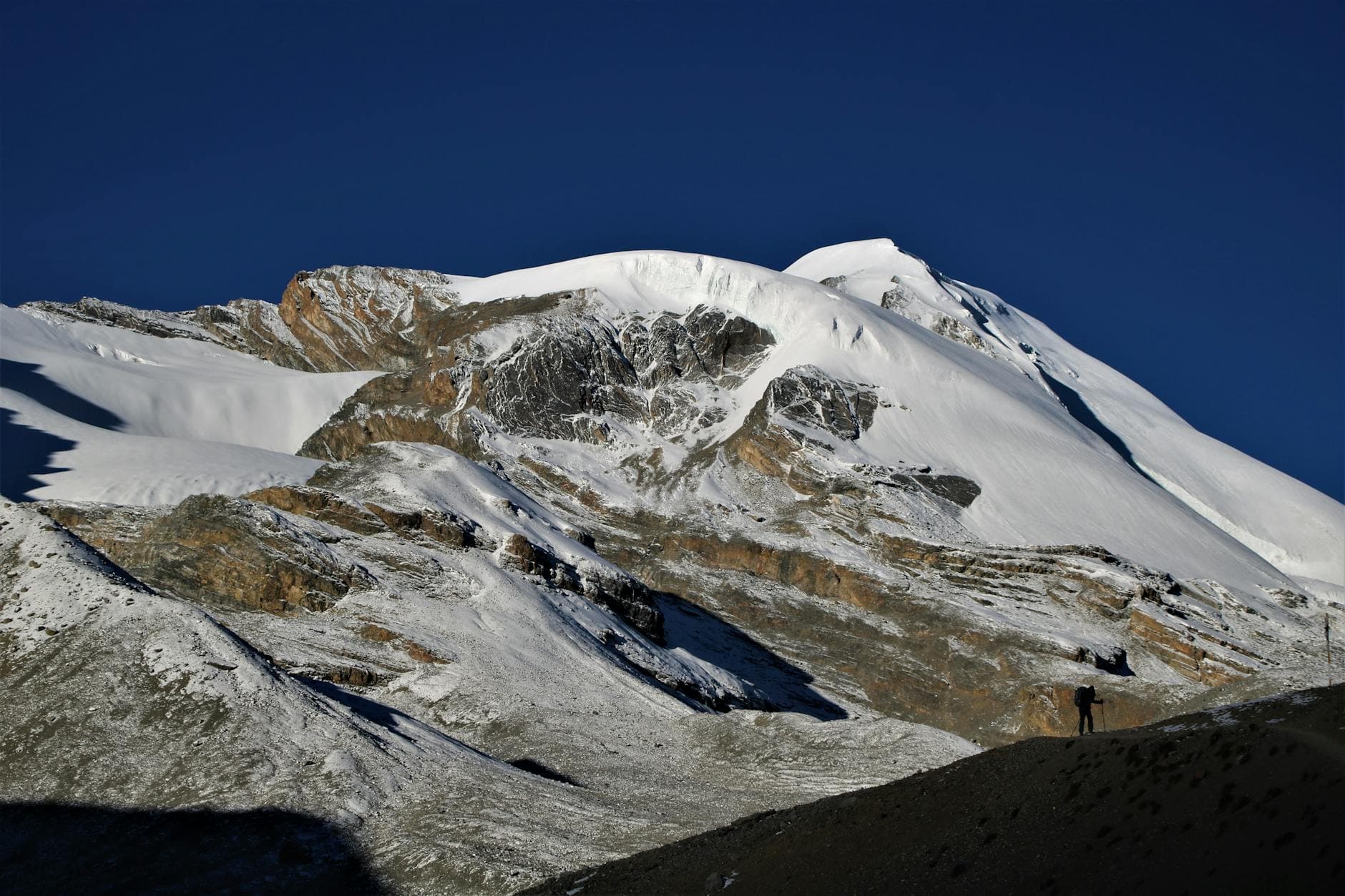
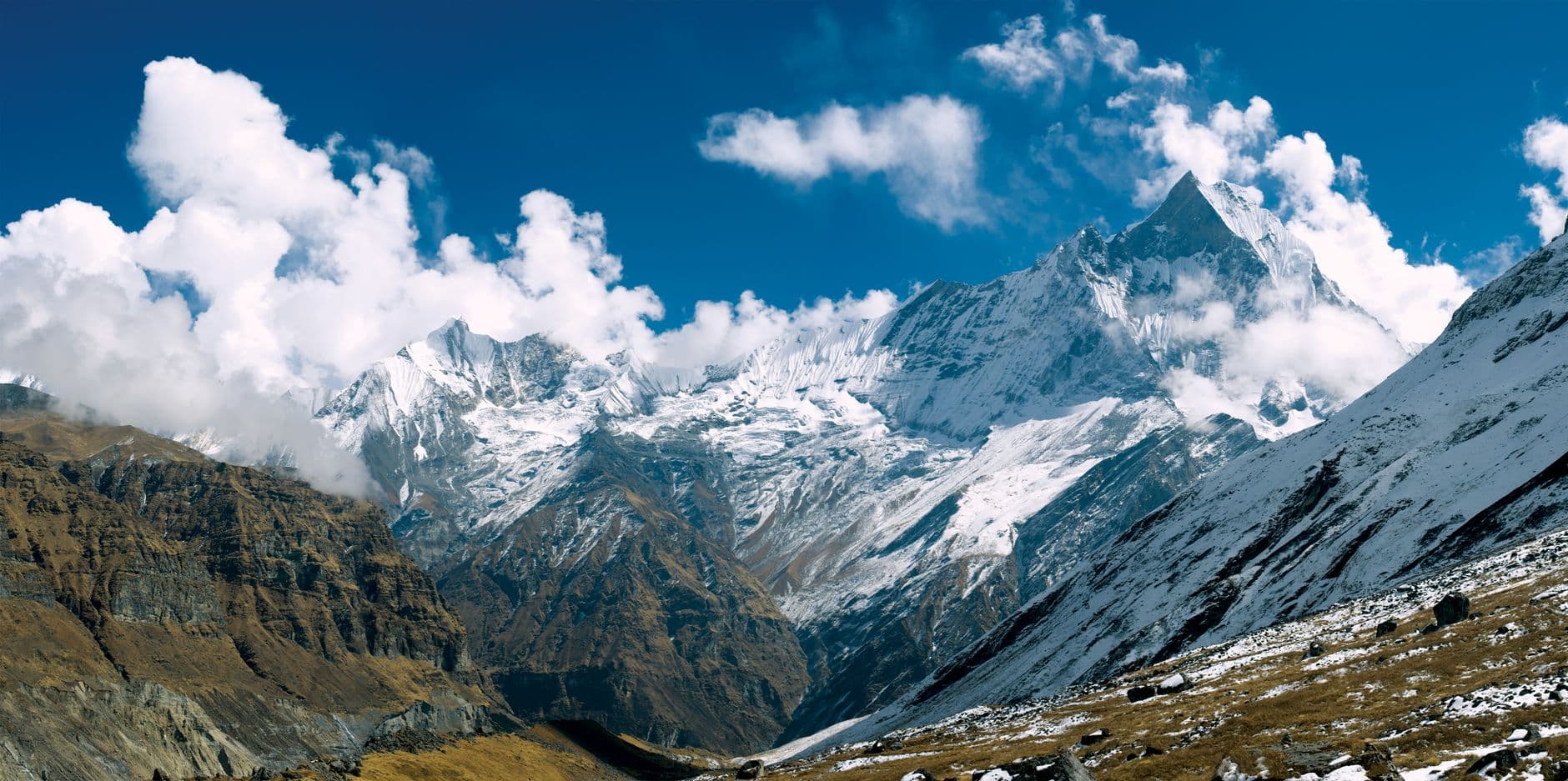
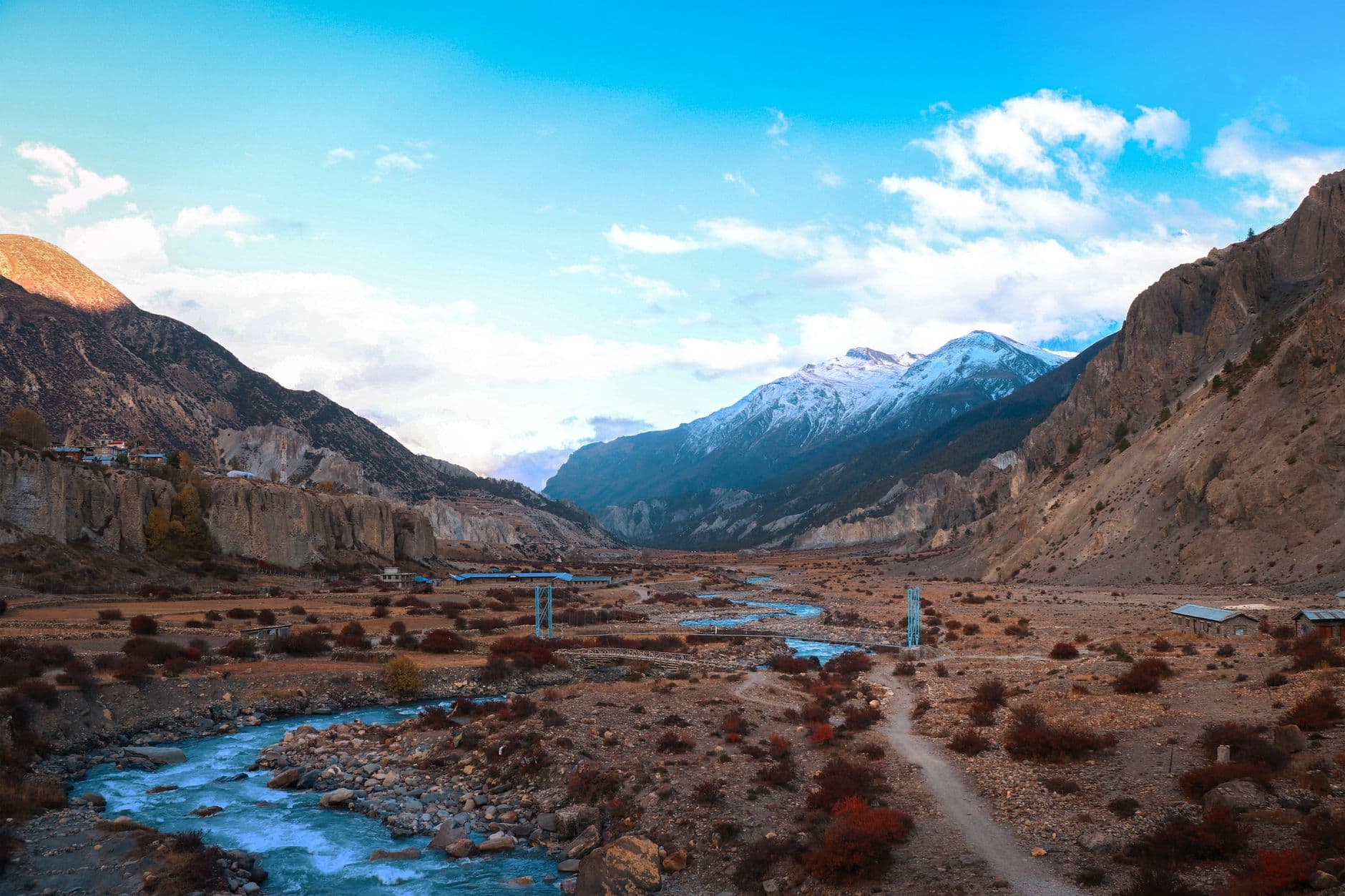
- Annapurna Circuit — Thorong La 5,416m · High. A near-mandatory rest day at Manang. Excellent natural acclimatisation thanks to the gradual approach — if you take the Manang day, the pass is very manageable.
- Gokyo Lakes — Gokyo Ri 5,357m · High. Acclimatisation day at Namche plus the gradual lakes approach. Acclimatises well if paced properly; the lakes route is a gentler profile than the direct EBC push.
- Everest Three Pass — over 5,500m, three high passes · Very High. Multiple acclimatisation days; for experienced trekkers only. Sustained time up high with three big passes — this is not a first Himalayan trek.
- Manaslu Circuit — Larkya La 5,160m · High. Gradual valley ascent with the high pass late in the trek. Remote, so prevention and early descent matter even more — help is further away.
- Langtang Valley — Tserko Ri ~4,984m · Moderate-to-High. Shorter, with viewpoint day-hikes. Lower overall and closer to Kathmandu, but the viewpoints still reach real altitude — don't treat it as risk-free.
- Mardi Himal — ~4,500m · Moderate. A shorter, lower trek. Gains height fairly quickly near the top, so the last day still deserves respect.
- Ghorepani Poon Hill — 3,210m · Low. No special acclimatisation needed. The gentlest of the classic routes and a fine first trek or family option.
What our guides carry and know
A guide is not just a porter who knows the way. On any high trek, ours are trained to recognise altitude illness early — which is the difference that keeps people safe:
- Pulse oximeters. A small clip on the finger reads your blood-oxygen each evening. A single low number isn’t a verdict — oxygen saturation naturally falls with height, and there is no one magic threshold — but a reading that stays low, or any reading paired with worsening symptoms, tells us to act and, if needed, descend. We read the trend and the person, not one number on a screen.
- Emergency oxygen on the high routes, and on expeditions a Gamow bag — a portable pressure chamber that simulates a lower altitude to stabilise a casualty until they can be brought down.
- A descent-first mindset. The treatment for serious altitude illness is to go down. Our guides are empowered to turn a group — or one trekker with an assistant — around without hesitation, and they will not be argued out of it.
- Knowledge of the evacuation chain — where the nearest help is, and how to call a helicopter when descent on foot isn’t fast enough.
Your pre-trip preparation
- Train your cardio for 6–8 weeks before the trek — brisk walking, hill or stair work, longer hikes with a daypack. Fitness won’t make you immune to altitude (see above), but it makes the long days far more enjoyable and leaves you with more in reserve when you're tired and cold.
- See your doctor, especially if you are over 50 or have any cardiac, respiratory or blood-pressure history. Ask specifically about high-altitude travel and about Diamox.
- Sort your insurance with the altitude and helicopter cover above — and read the policy, don’t just buy the cheapest.
- Choose an honest itinerary. If a quoted trek looks suspiciously short for its maximum altitude, that’s a red flag. The extra acclimatisation days are not padding — they are the safety, and they are the difference between finishing and turning back.
The mountain will always be there next season. Your job, and ours, is to make sure you are too. We would far rather turn a group around at a pass than be brave at the wrong moment.
This is why we build our high treks — the Everest Base Camp classic, the Mount Kailash pilgrimage, the Annapurna Circuit and the rest — around conservative, unhurried acclimatisation rather than the fastest possible schedule. If you have a health concern, your age or history worries you, or you simply want to understand the risk before you commit, talk to us honestly. Tell our Concierge your route and any concerns, and we'll give you a straight answer about whether it's right for you.