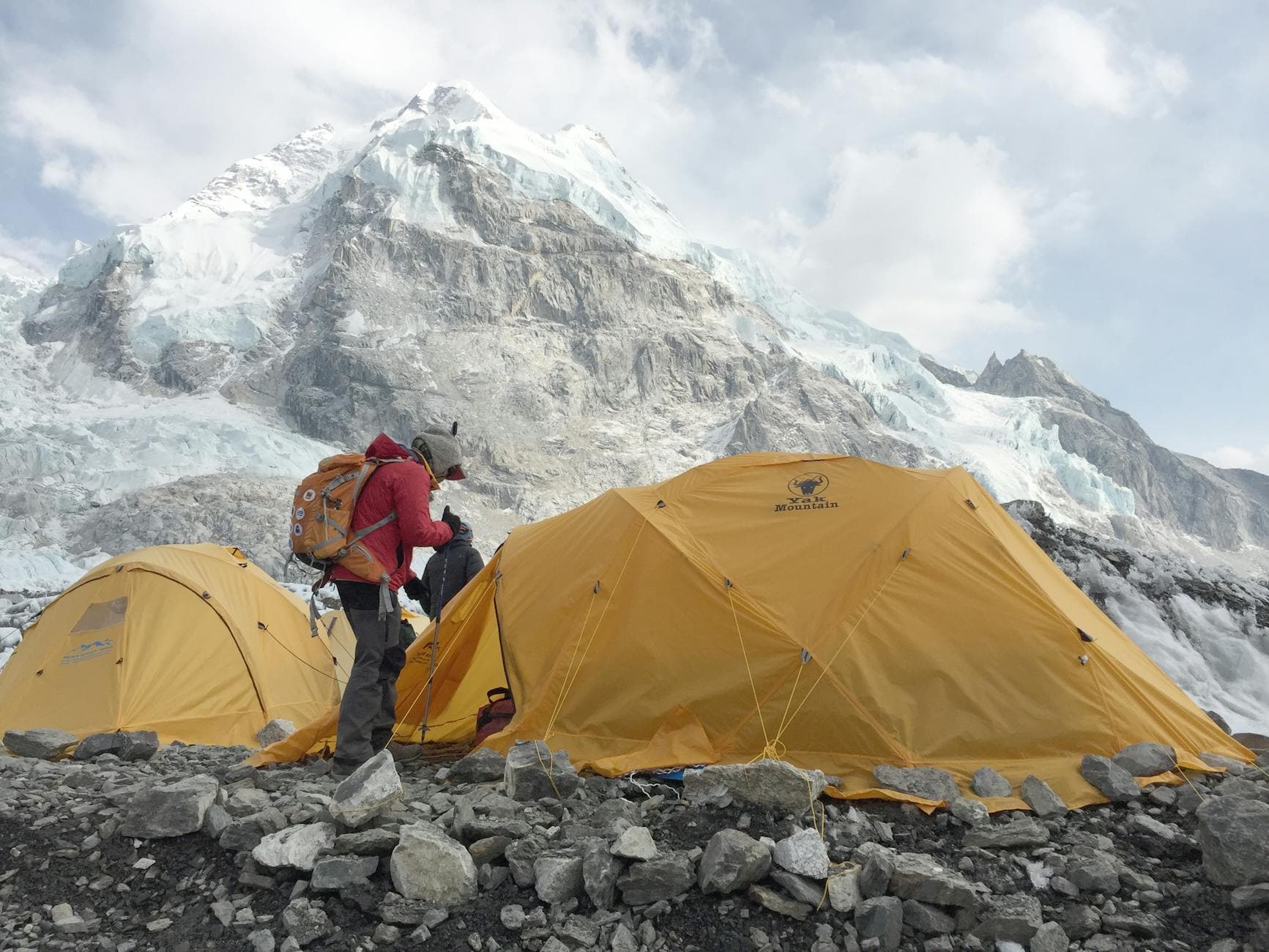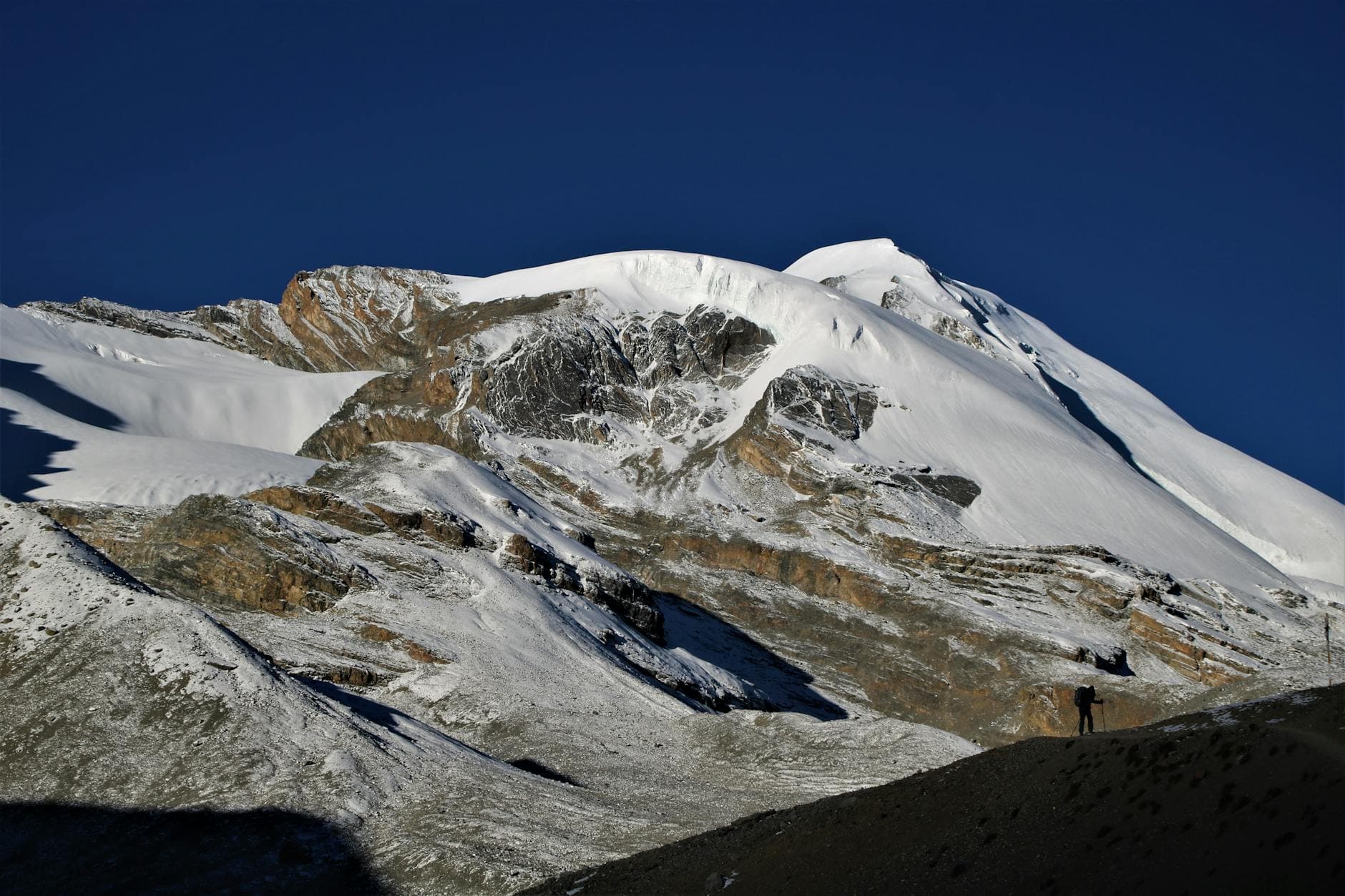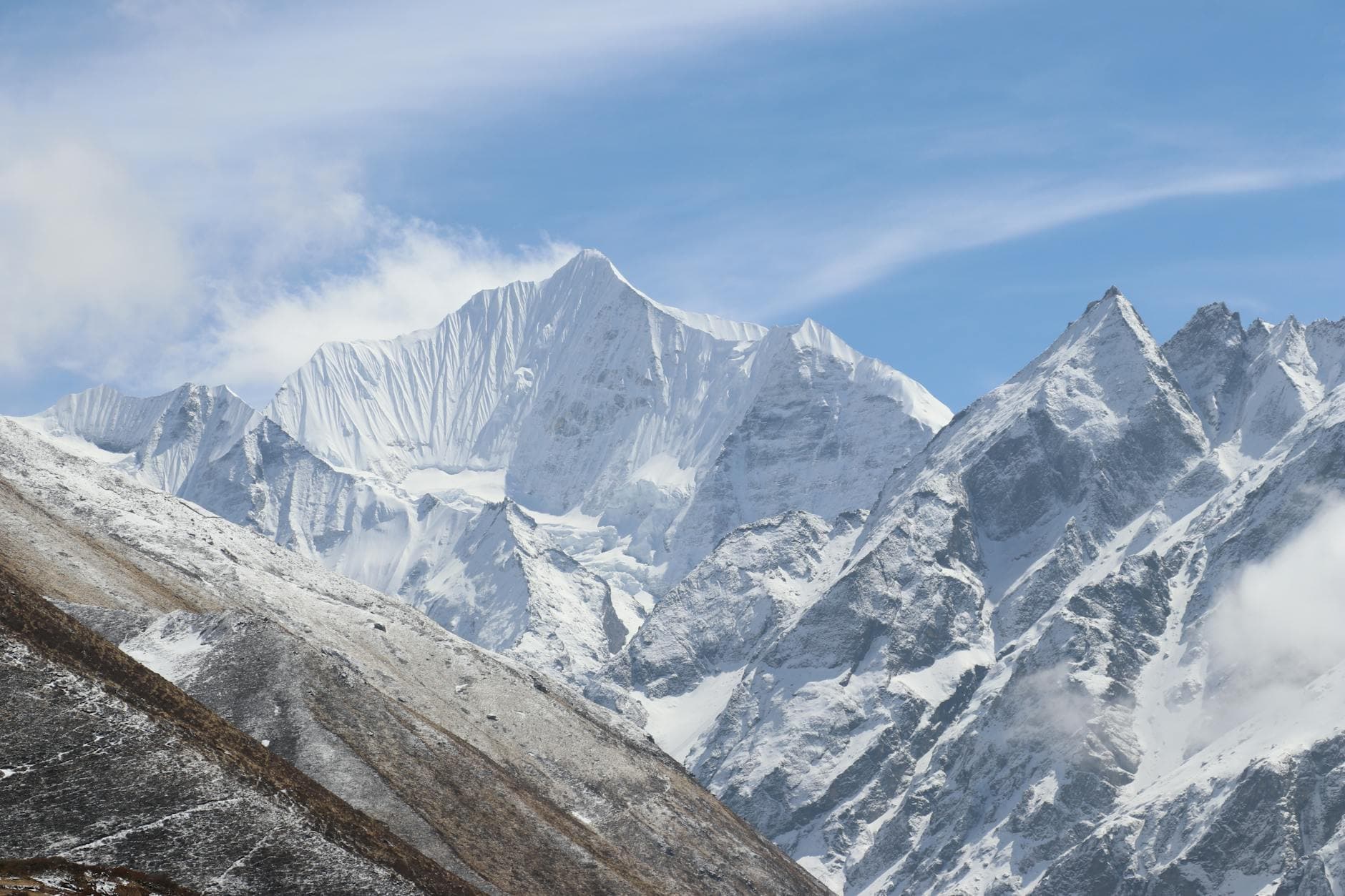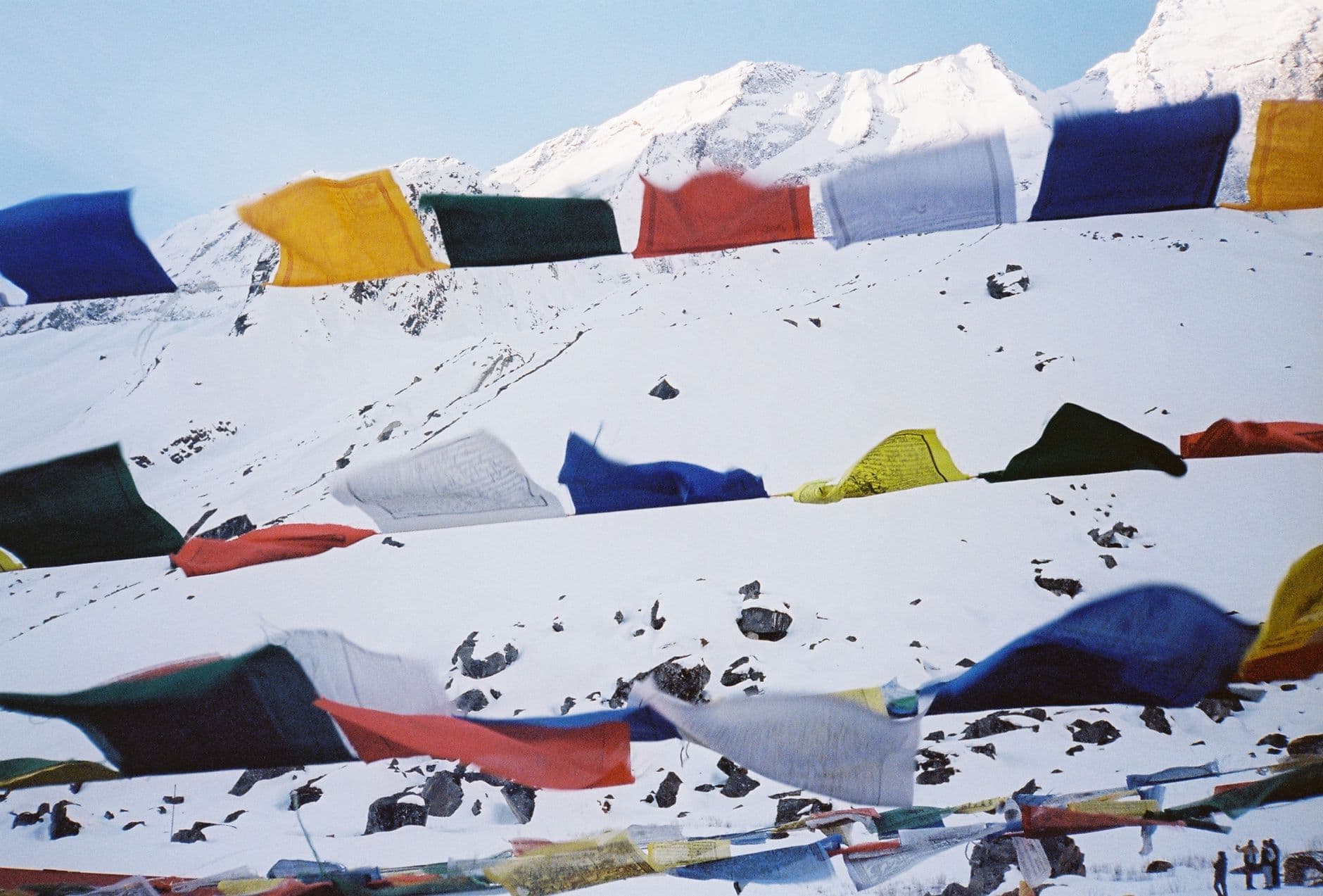
After 30 years of watching trekkers arrive in Kathmandu with 25-kilo bags and leave with 8 kilos of regret, here is the list we actually give our clients. The single biggest mistake is over-packing — every gram you carry, or hand to a porter, you'll feel on the climb. The second biggest is the wrong fabric. Get the layering system and the footwear right and you've solved 80 percent of comfort on any Nepal trek. Here's everything, by category, with the things we genuinely tell people and the money you can save buying smart in Kathmandu.
Buy half of it in Thamel — the local secret
Before we get to the list, the most useful thing we can tell you: you do not need to buy most of this at home. Thamel, the trekking district in Kathmandu, is wall-to-wall gear shops, and a great deal of what trekkers stress about buying in advance is sitting on those shelves for a fraction of the price. The North Face and other branded items are mostly local copies — and here's the honest part: for a two-week teahouse trek, the good copies work perfectly well. A fleece, a down jacket, base layers, gloves, a duffel, trekking poles, a sleeping bag — all of it is here.
Rough idea of what that saves you: merino-style base layers that run USD 60 at home sell in Thamel for a few hundred rupees; a down jacket good to around −15°C goes for something like USD 30–40; trekking poles for a few dollars a pair. Arrive a day early, walk the shops for an hour, and kit out there. The exceptions — bring these from home and do not improvise: your boots (they must be broken in, see below), your own underwear, your prescription medication and glasses, and a power bank you trust. Everything else, you can buy or rent within ten minutes' walk of your Kathmandu hotel.
The weight reality — what porters actually carry
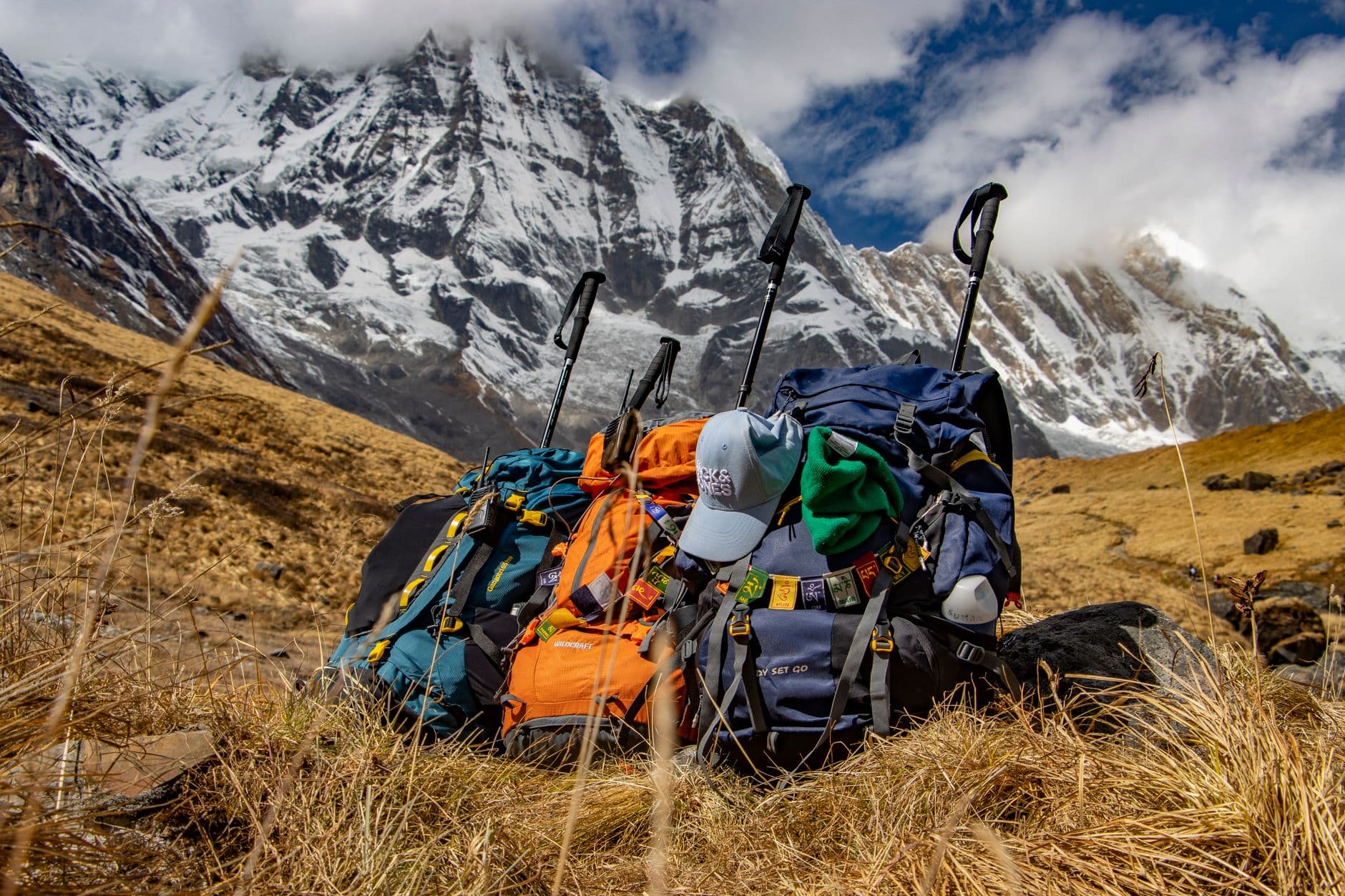
This is the part trekkers get emotional about, so let's be concrete. A porter carries a maximum of around 15kg (about 33lb), and that is usually for two trekkers' duffels combined — so you're working with roughly 7–8kg in your porter bag. That is plenty for a teahouse trek if you pack honestly, and far too little if you pack your fears. On top of that you carry your own daypack, which should be 5–6kg maximum — water, snacks, a rain layer, your camera, documents, sunscreen, the day's essentials. Anything heavier on your back and you'll be miserable by day three; the daypack is the weight you actually feel, all day, every day.
We are not exaggerating about the regret. Every season we watch trekkers arrive with a 20kg-plus bag and spend their first morning in a Lukla or Kathmandu guesthouse pulling things out and leaving them behind, because the porter limit is real and a 20kg duffel is genuinely too heavy to enjoy. Pack for the trek you're doing, not for every hypothetical — and keep a separate bag of city clothes at your Kathmandu hotel, which every hotel will happily store while you're on the trail.
Clothing — the layering system
Mountain weather changes by the hour, so you dress in layers you add and shed rather than one heavy coat. A normal trekking day actually moves through several climates: you'll start cold in the morning shade, strip to a t-shirt when the sun hits the valley, and pile the layers back on the moment the afternoon cloud rolls in and the temperature drops. Three layers cover almost everything:
- Base layer (next to skin): 2–3 merino wool or synthetic tops, long and short sleeve. Merino resists odour, so two shirts genuinely last a fortnight — you are not doing laundry on the trail. Bring thermal long-johns for the cold nights up high.
- Mid layer (insulation): a fleece or light down jacket that traps warmth. One good fleece plus a packable down jacket covers most treks.
- Outer layer (shell): a waterproof, windproof jacket and waterproof over-trousers. This is your defence against rain, snow and the wind on the high passes.
- Trekking trousers: 2 pairs of quick-dry hiking trousers (convertible zip-offs are handy lower down). Leave the jeans at home — wet denim at altitude is genuinely dangerous.
- Insulated jacket: above 4,000m you’ll want a proper warm down jacket for mornings, evenings and pass days — even in trekking season. This is the layer that makes the difference between enjoying the breakfast view and dreading it.
- Hat, gloves, buff: a sun hat for the day, a warm wool hat for the cold, liner gloves plus warmer gloves up high, and a buff for sun, dust and wind.
- Underwear and socks: quick-dry underwear; see the footwear section for the sock system.
Footwear
More treks are ruined by feet than by altitude. We mean that literally — we've seen strong, fit trekkers turn back not because of the mountain but because their brand-new boots shredded their heels by Phakding. Get this right and you've removed the single most common reason people don't finish.
- Boots — broken in, non-negotiable. Mid-weight, waterproof trekking boots with ankle support, worn in over weeks of walking at home — to work, around town, on weekend hikes — before you ever get on the plane. Brand-new boots on day one are a guarantee of blisters, and there is no shop above Namche to bail you out.
- Camp shoes: lightweight trainers or sandals to free your feet at the teahouse each evening — a small luxury that feels enormous after eight hours in boots.
- The sock system: several pairs of proper trekking socks (merino or synthetic), and thin liner socks underneath to cut friction. Liner + outer is the oldest blister trick there is, and it genuinely works — the two layers rub against each other instead of against your skin.
Gear
- Daypack (25–35L): carries what you need during the day — water, layers, camera, snacks — while your main duffel goes with the porter. Keep it under 6kg.
- Trekking poles — yes, bring them. Even if you have never used poles and think you don't need them, bring them. Above 4,000m on the long descents your knees take a hammering, and poles take a real share of the load off them. We see knee injuries every season from trekkers who were sure they didn't need poles. You need them — and they cost a few dollars in Thamel.
- Sleeping bag liner: teahouse blankets are shared between hundreds of trekkers across a season — a silk or fleece liner weighs almost nothing, adds warmth, and keeps you clean. For the cold high routes we can advise on a four-season sleeping bag (rentable cheaply in Thamel).
- Headlamp + spare batteries: essential for pre-dawn pass starts and for finding the bathroom at night. Cold drains batteries fast, so carry spares and keep them warm.
- Reusable water bottles or bladder (2–3L capacity) and a way to treat water — purification tablets or a filter. Buying bottled water up the trail is expensive and the plastic is a real problem in the Khumbu; treating your own is cheaper and cleaner.
- Dry bags or stuff sacks to keep clothes and electronics dry inside the duffel.
Electronics
- Power bank — the most important item in this section. Charging is scarce above Namche and costs money per device per hour at the teahouses, and the cold flattens batteries overnight. A 20,000mAh power bank keeps your phone and headlamp alive for days and saves you a small fortune in charging fees.
- Phone over camera, for most people. Modern phones shoot superbly and double as map, journal and torch. Bring a dedicated camera only if photography is genuinely the point of your trip — otherwise it's weight and another battery to keep charged.
- A realistic word on Wi-Fi: most teahouses sell a Wi-Fi voucher, and higher up it is slow, expensive and often barely loads a message. Buy a local SIM in Kathmandu for far better value low down, and above all set your family's expectations before you go that you may be quiet for days. Connectivity is not a reason to stress on the trail.
- Universal adapter (Nepal uses several plug types) and your charging cables.
- Keep batteries warm: sleep with your power bank and phone inside your sleeping bag on cold nights — they hold charge far better than if left out in a −10°C room.
Toiletries
- Sunscreen SPF 50 and SPF lip balm — non-negotiable. The high-altitude sun burns ferociously, even through cloud, and the reflection off snow doubles it. Cracked, sunburned lips are one of the most common avoidable miseries on the trail.
- Wet wipes and hand sanitiser: above 4,000m a hot shower is rare and a cold one is a bad idea — wet wipes become your daily wash, and that is completely normal up there.
- Quick-dry travel towel, toothbrush, biodegradable soap and any personal toiletries in small, light sizes.
- Toilet paper (carry your own; teahouses rarely provide it) and a small bag to pack out waste.
- Sunglasses with full UV protection — category 3 or 4 for the snow glare up high. On a snowy pass, cheap sunglasses are not enough.
Documents
- Passport plus a few photocopies and passport photos for permits.
- Trekking permits (TIMS, ACAP, MCAP or restricted-area permits — we arrange these; carry the printed copies).
- Travel insurance documents that explicitly cover high-altitude trekking and helicopter evacuation — carry the policy number and the emergency assistance phone number.
- Emergency contacts written on paper, not only in your phone — your phone may be dead or out of signal exactly when you need them.
- Cash in Nepali rupees for tea, snacks, charging, Wi-Fi and tips — there are no ATMs on the trail, and everything above Namche is cash-only.
Medicine and first aid
Your guide carries a comprehensive first-aid kit, but pack a small personal one too. A note on altitude medication: Diamox (acetazolamide) is a prescription drug used to aid acclimatisation — talk to your own doctor before the trip about whether it's right for you, how to use it, and its side effects (tingling fingers and frequent urination are the common ones). We don't dispense medical advice from a website; we make sure you have time to acclimatise properly, which matters more than any pill.
- Personal prescription medication (in your carry-on, with a copy of the prescription).
- Diamox, if your doctor has prescribed it for you.
- Painkillers, anti-inflammatories, and any personal-allergy medication.
- Stomach and rehydration: anti-diarrhoeal tablets, oral rehydration salts, and a course of antibiotics if your doctor recommends one for travel — stomach upsets are the most common trail ailment by far.
- A blister kit (this earns its place daily): tape, blister plasters, and antiseptic.
- Throat lozenges — the dry, cold air gives almost everyone the "Khumbu cough" by the upper valley.
What NOT to bring
- A laptop. There’s nowhere to use it, nowhere reliable to charge it, and it’s dead weight you’ll resent carrying past 4,000m.
- Heavy books. Bring one paperback you can finish and leave at a teahouse for the next trekker — that swap is a trail tradition — or download to your phone. Not your whole bookshelf.
- Jeans and any cotton. They stay wet and cold — the opposite of what you need, and genuinely risky at altitude.
- A full-size towel and bulky toiletries. Travel-size and quick-dry, always.
- Too many “just in case” clothes. You’ll wear the same three or four things on rotation, happily, and so does everyone else on the trail. Over-packing is the universal regret — nobody has ever come back wishing they'd brought more.
Pro tips from 30 years on the trail
Seasonal adjustments
Autumn (October–November)
The most popular season, and cold up high. Add a warmer sleeping bag and an extra insulating layer — clear nights at altitude get genuinely frigid even when the days are perfect. The same clarity that gives you the views gives you the cold.
Spring (March–May)
Warmer and greener, but with more afternoon cloud and the chance of pre-monsoon showers. Add a reliable rain shell, gaiters for muddy lower trails, and don't skimp on sun protection — spring sun is strong and the haze fools people into under-applying.
Winter (December–February)
For the determined off-season trekker: down everything — jacket, a warmer bag, insulated trousers — plus hand and toe warmers, and traction devices for icy passes. Some high teahouses close, so plan with us before you go.
The trekkers who enjoy Nepal most are almost never the ones who brought the most. They brought the right things, broke in their boots, and left the rest at the hotel.
Whichever trek you've chosen — the Everest Base Camp classic, the diverse Annapurna Circuit, or the gentler Langtang Valley — this list scales to all of them; you simply add warmth for altitude and season. Tell our Concierge your route and dates and we'll tailor the list to exactly what you'll face, and arrange any gear rental in Thamel before you set off.